From

Magic Canoe

This section features Magic Canoe original stories from all across Salmon Nation.

Salmon Returns is building the financial infrastructure needed for community-rooted regional economies to flourish.
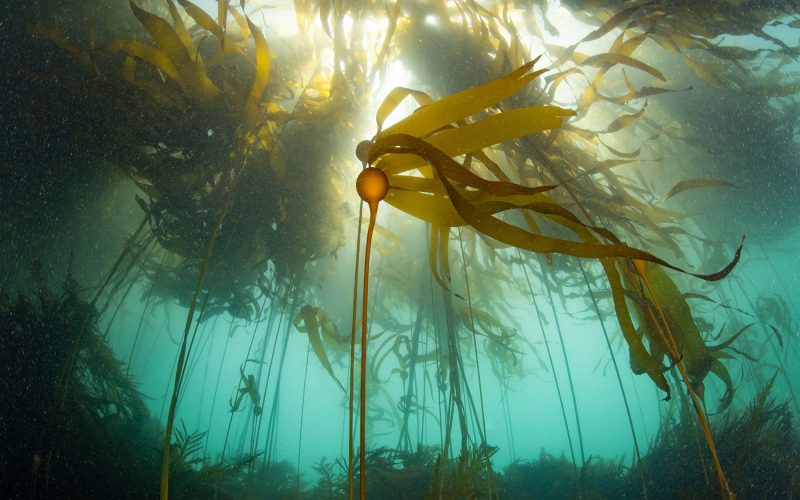
Kelp forests are some of the most critical marine ecosystems on Earth, providing carbon sequestration, food sources, and habitats. Though some kelp species are threatened by climate change and predation, Northern California is experiencing a successful recovery through community action and scientific research.

The first snowfall carries an old knowing: reciprocity is not a debt to settle, but a way of belonging.
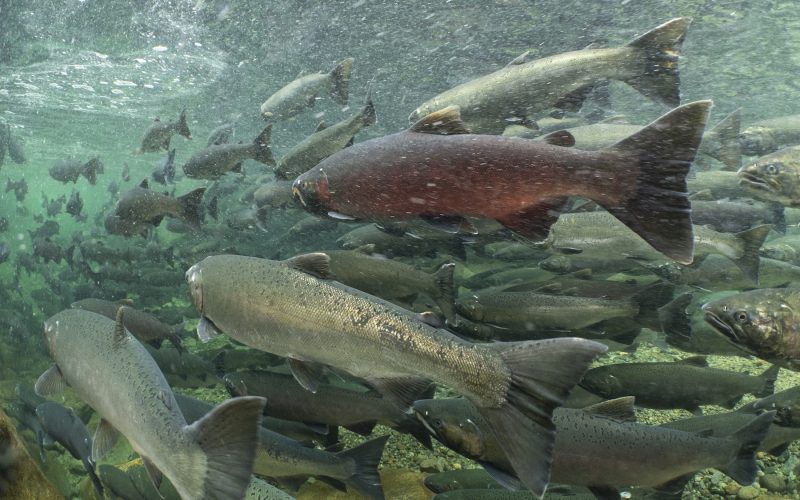
This short film showcases what a responsible salmon harvest can look like when stakeholders work toward collective abundance.
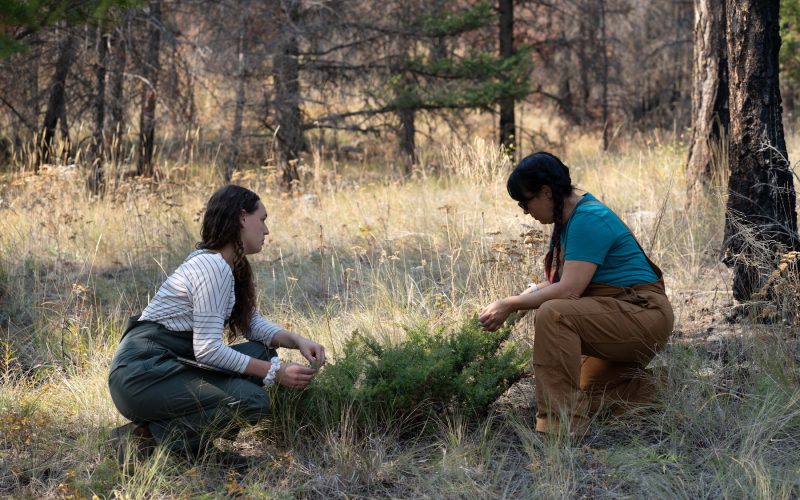
First Nations ecologist and professor Dr. Jennifer Grenz works with the Indigenous Ecology Lab to advocate for traditional burning practices. 
Follow photographer Owen Perry on his journey through Gwaii Haanas National Park Reserve and Haida Heritage Site
A public comment period closes soon on a plan to rescind protections for 45 million acres of wildlands, endangering recovery for salmon and hundreds of other species.
A walk from a fire lookout traces the living relation between seeing and being seen.
The Roadless Rule Tribal Hub was created to connect Native communities with the facts, on-the-ground tools to submit letters, and more. 
British Columbia’s Kaska Nation wants to protect a wilderness area larger than Denali National Park, which brings both promise and challenge to the future of Indigenous-led conservation.
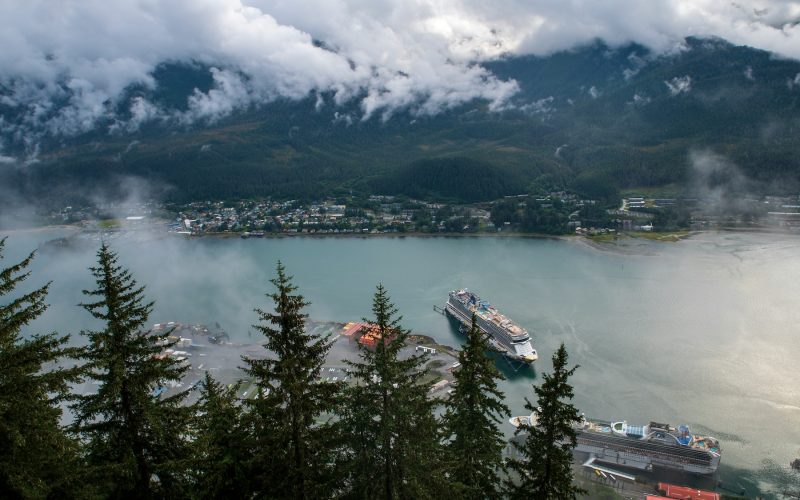
The burgeoning cruise ship industry’s presence has its critics, who view it as community-altering and unsustainable, while others welcome its jobs and revenue.
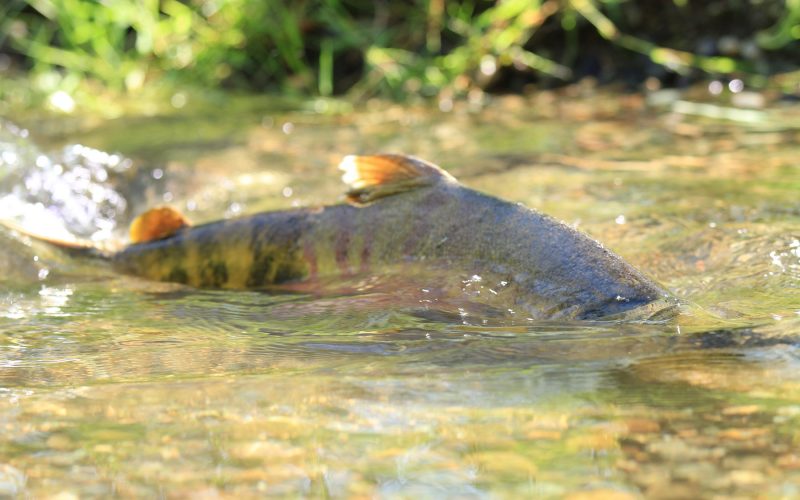
More than two dozen Pacific salmonid populations are listed as threatened or endangered. One could soon make history as the first to be recovered.
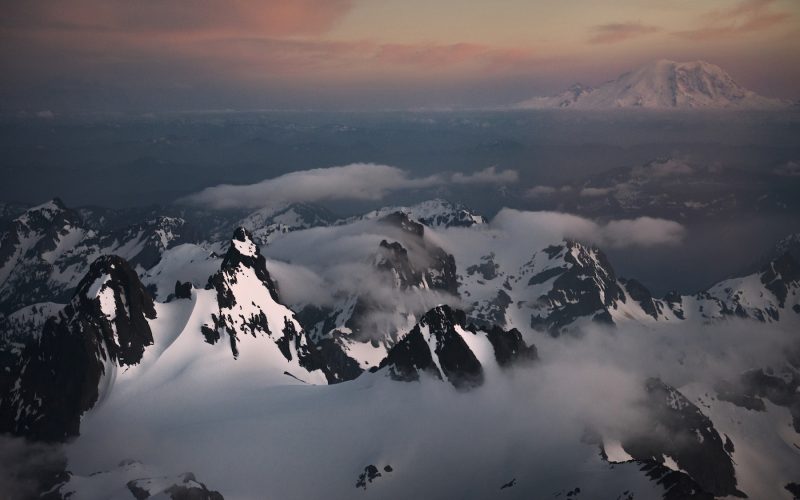
A glaciologist turns to the Pacific Northwest’s disappearance of ice and the coming of fire.
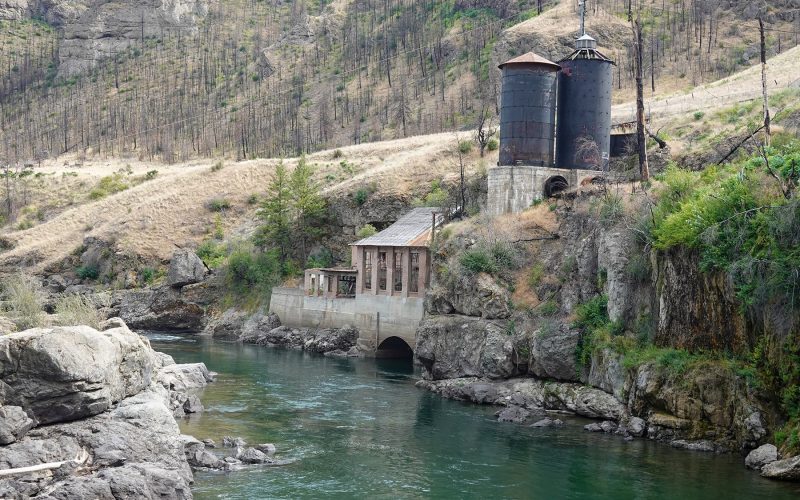
Why Tribes, First Nations, and scientists all want to remove Washington’s Enloe Dam.
A collaborative effort among tribes, irrigators, and environmental groups to untangle conflicts over water use offers a path to success for river restoration and local economies.
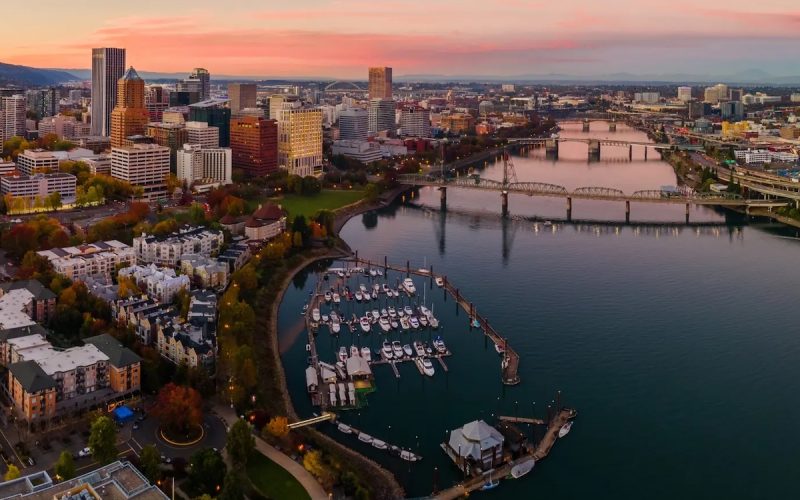
In 2018, Portland, Oregon, passed a bill to corporations working in the city to pay a surcharge for climate justice initiatives. The fund quickly turned into billions. Here’s how it’s going, eight years on.
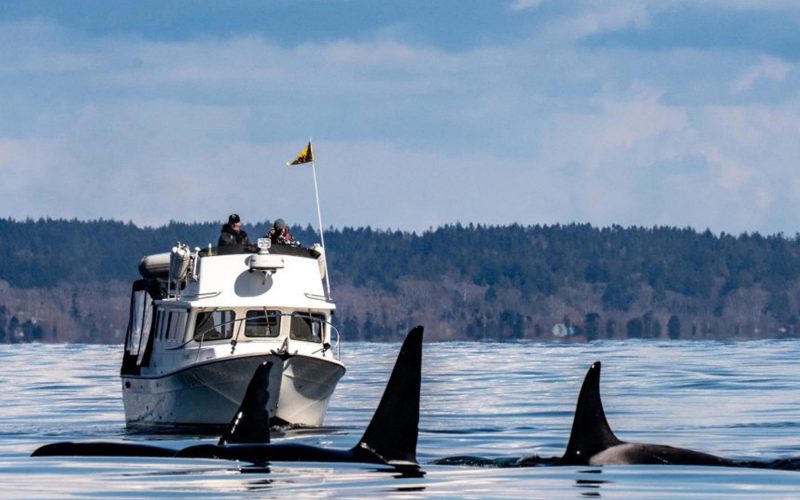
The winter diet of endangered orcas has long been a mystery, but emerging studies now offer clues into what’s sustaining them—one fish scale at a time.
When language meets landscape, it’s more than relationship. It’s kinship.
As Native students seek careers in conservation and Indigenous-led stewardship, the Northwest Indian Fisheries Commission has partnered with University of Washington to create a solution.
In Central Oregon, a new river restoration technique to repair habitat for salmon is creating an added benefit: wildfire refugia.
Despite the ongoing, decades-long debate on whether to bring grizzly bears back to California, tribes are taking the lead, and it’s changing the discourse.
Why acknowledging the land itself — along with the people whose language, culture, and religion were born of it — is rarely acknowledged. 
A movement of cooperative oyster farming is growing in Southeast Alaska and producing some of the world’s best oysters.

Grab a paddle. It’s time to work together.

Sign up for Magic Canoe’s twice-monthly newsletter to stay in the loop. Get stories, updates, events, and inspiration delivered straight to your inbox. No spam.