
This feature is part of a six-month series from Magic Canoe’s Contributing Writers. Four writers were selected to each cover Salmon, New Economies, Environment, or Indigenous Leadership. This is the second story for the New Economies Desk. (You can read the first installment here.) Major support for the Contributing Writers Series is made possible by a gift from Priscilla Bernard Wieden, in loving memory of Dan Wieden.
The West Susitna Valley is a vast roadless area in Southcentral Alaska, a place roughly the size of Indiana defined by braided rivers, sloughs, remote lakes, and world-class hunting and fishing. It’s also where Mike and Paula Williams built their dream wilderness home in 1994, after retiring from the military. The couple operated a fly-in sportfishing lodge on the banks of Trail Lake while homeschooling their four children.
For years, life was good. Clients from around the world arrived by floatplane from Anchorage to fish for king and silver salmon in the Alexander Creek watershed, about fifty air miles from Alaska’s largest city. But all that came to an end in the early 2000s as northern pike, an invasive species, started to decimate the Southcentral Alaska salmon population. Numerous lodges closed.
“I kind of equate it to the little company town where its factory shuts down and everybody leaves to find work elsewhere,” Mike Williams said.
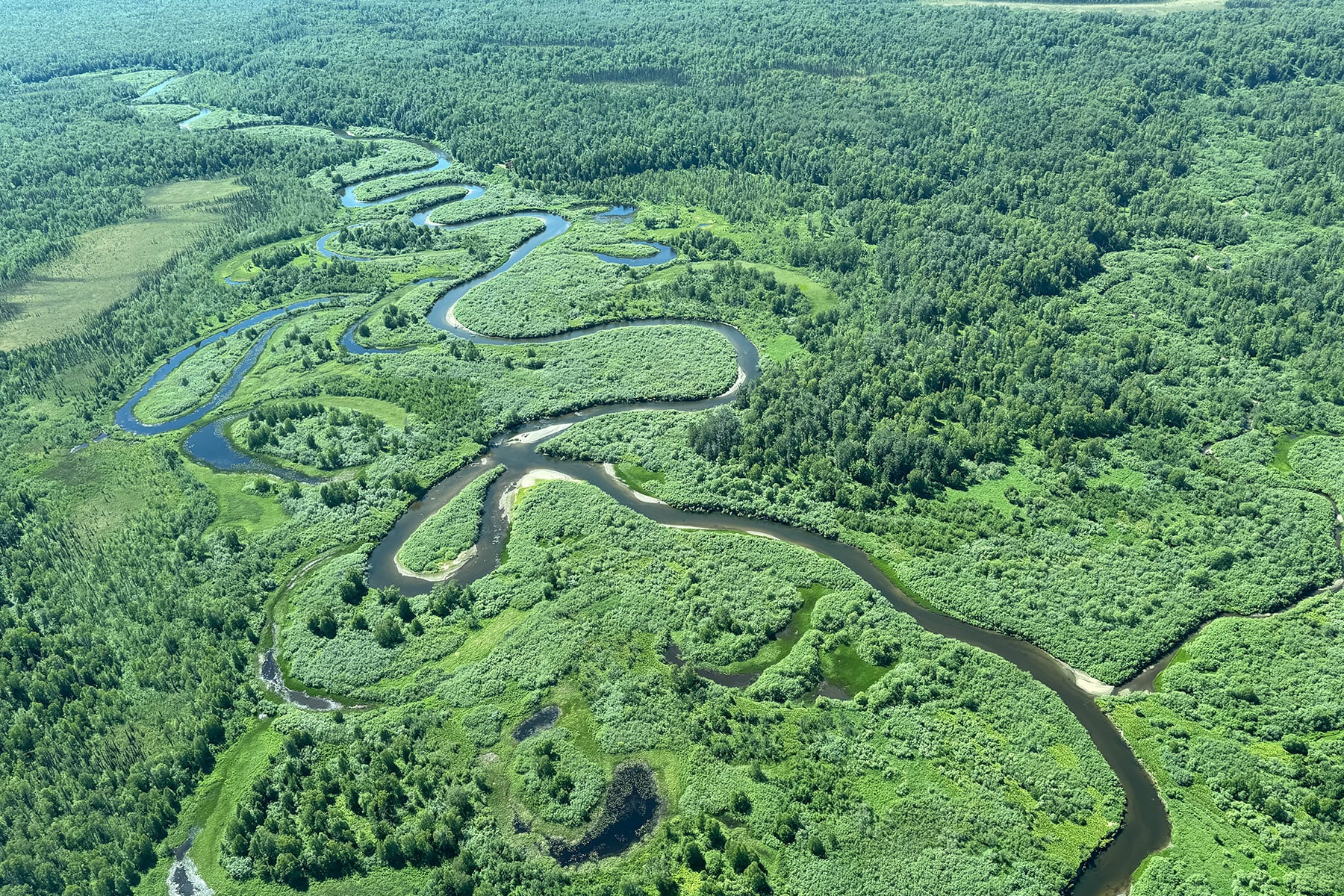
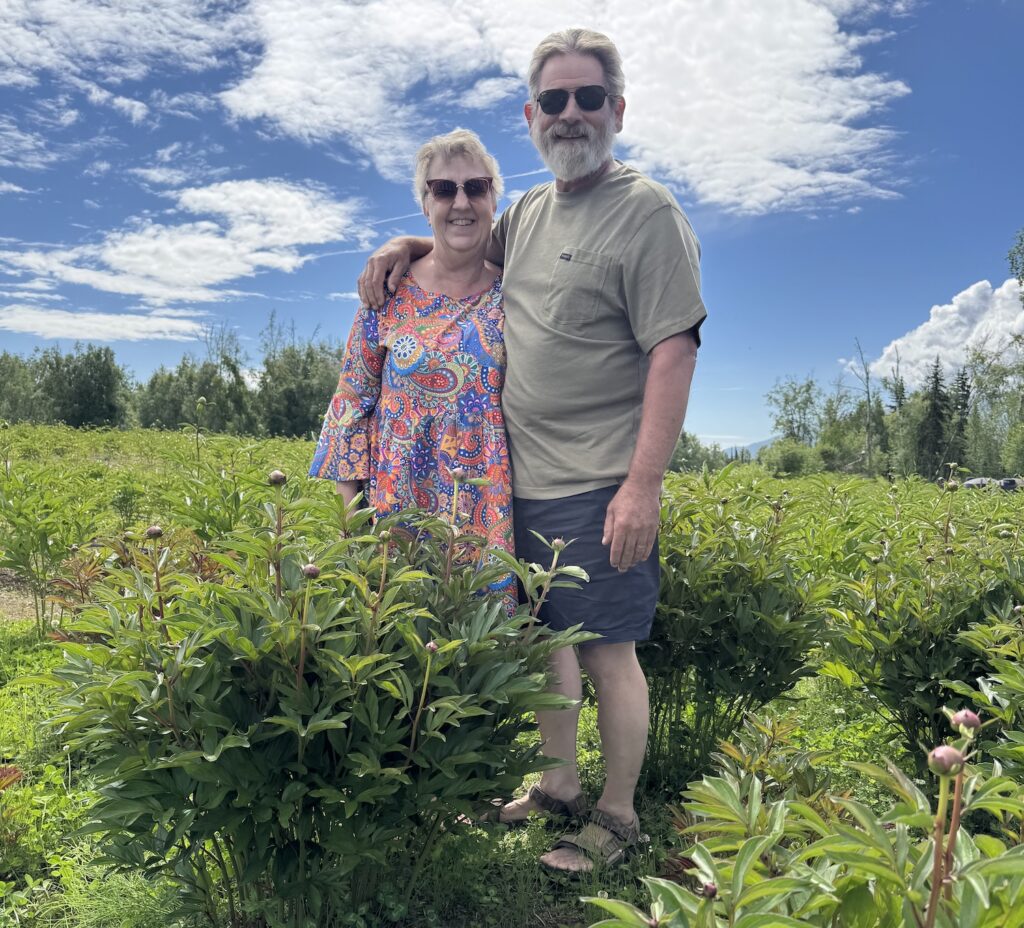
The Williams family didn’t leave. They stayed put, determined to find a new way to continue their off-grid, wilderness lifestyle. Mike remembers watching a local PBS television show from Fairbanks that featured a horticulture professor talking about a new crop popping up in Alaska: peonies.
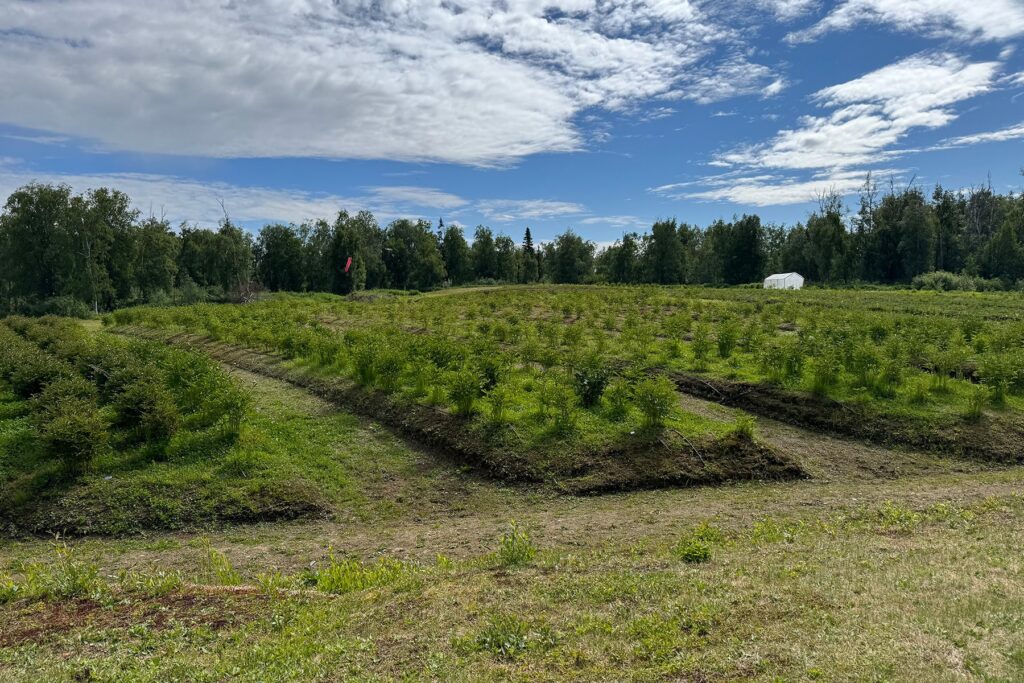
Suddenly, Mike knew what the future held for his family. “We walked in a bulldozer and helicoptered in a tractor and started clearing land,” he said. “We planted five thousand peonies that first year, and another five thousand the next year, and it has just gone from there.”

In 2010, the Williamses went all in on the lush, multi-petaled flower that’s a darling of the wedding industry. In Alaska—a state known for boom-and-bust cycles fueled by extractive industries like oil and gas, commercial fishing, cruise ship tourism, and mining—peony farming was then in its infancy.
Could peony farming really take off in a place known for punishing winters and short but intense summers with nearly twenty-four-hour daylight?
Sixteen years later, the answer is yes, with some major caveats.
An Unlikely Crop
When the Alaska peony industry first blossomed in the early 2000s, it was entirely by chance.
Paul Sansone, an organic peony grower and cut flower exporter from Oregon, visited Alaska and gave a public talk in the mid-1990s. He mentioned to horticulturists at the University of Alaska Fairbanks (UAF) that the state might be a prime spot for growing the decorative flowers, given its cold winters and deep snow cover, conditions peony roots tend to like.
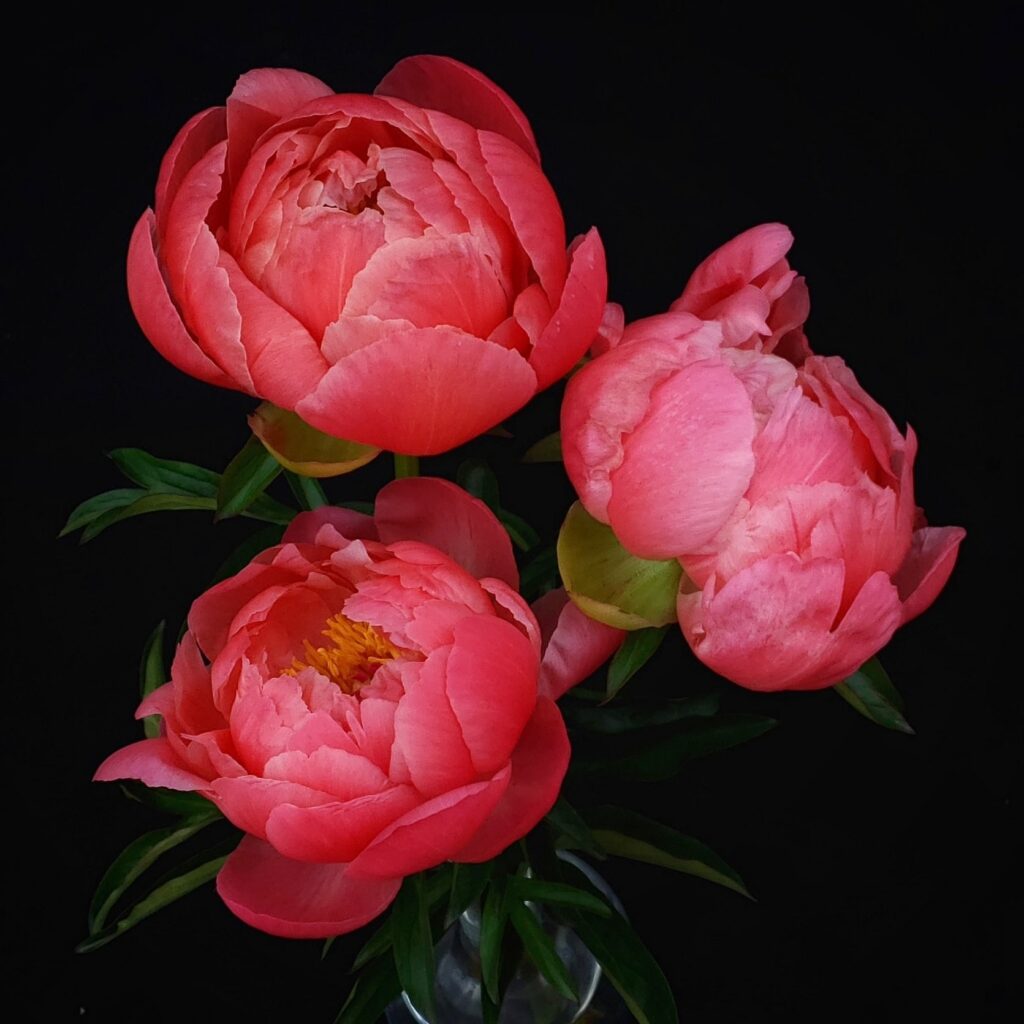
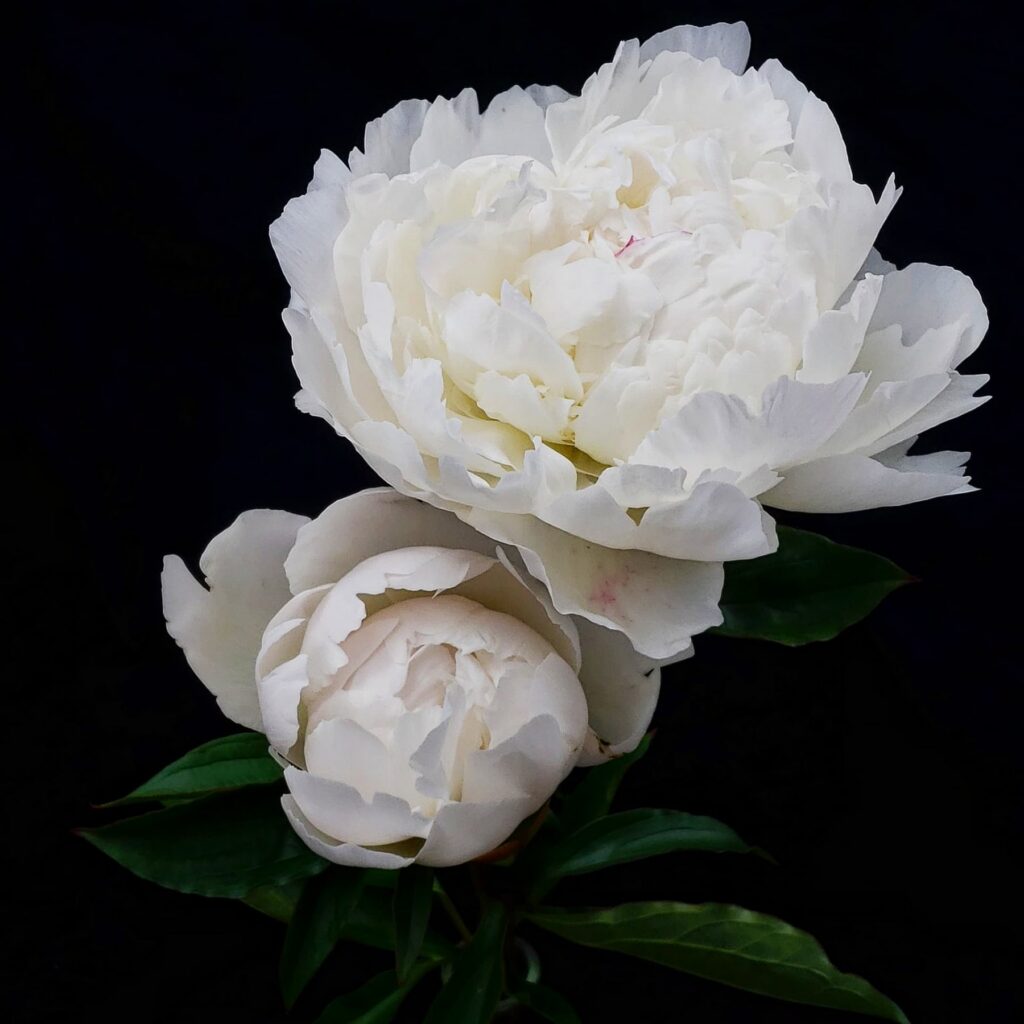
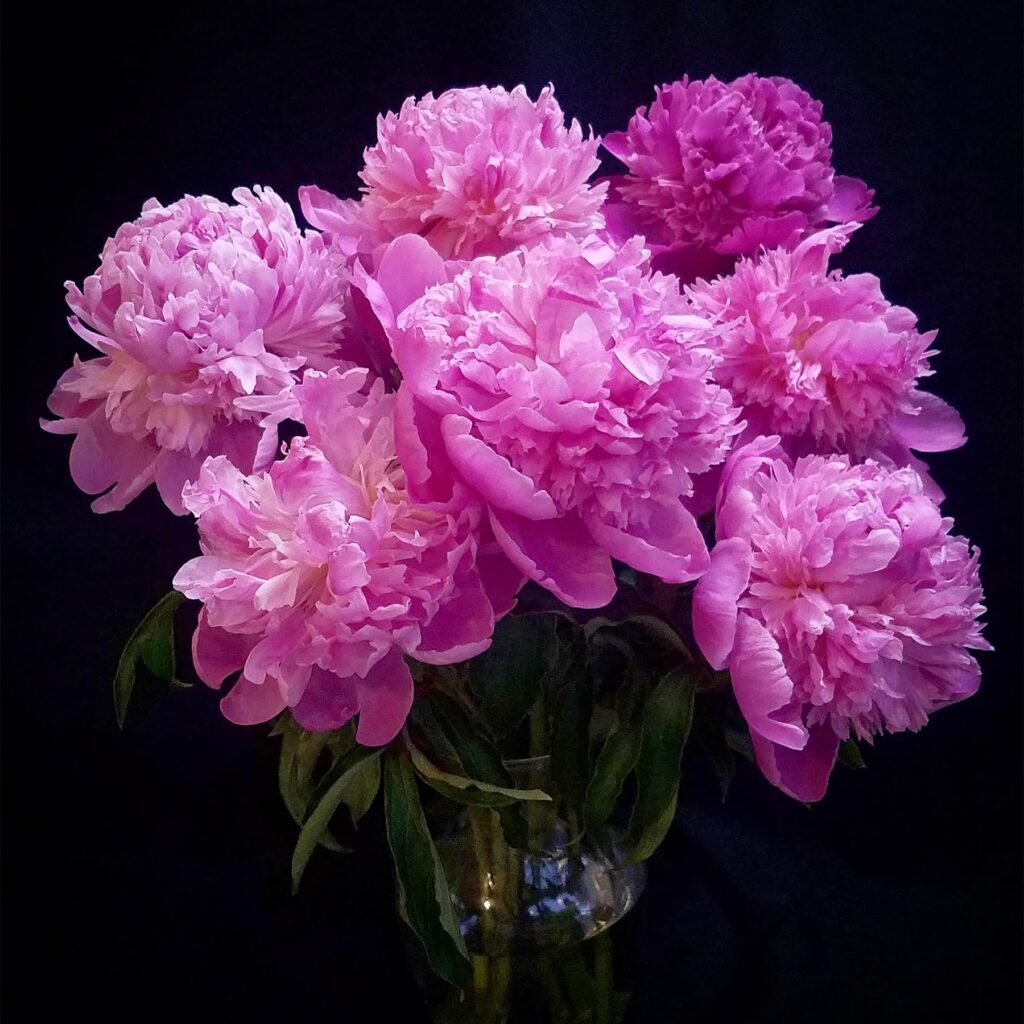
Alaska’s late-arriving summers with nearly round-the-clock sunlight in many places are a key factor. Due to Alaska’s extended winters and intense summers, peonies bloom later there than anywhere else.
In other parts of the country, they typically flower in late April through early June. But the flowering season in Alaska is June through August, even into early September, offering national flower buyers a unique opportunity to purchase the showy perennials later in the year.
“When it was discovered that peonies grew in July and August and nowhere else in the world during that time, it triggered a gold rush mentality,” Mike said.
Horticulture professor Patricia Holloway is widely credited with giving the industry its start by providing much-needed scientific research. She sparked Mike’s interest in cultivating the flowers when he saw her on television. Holloway and others planted 150 peonies in raised beds in a twenty-by-sixty-foot, south-facing test plot at the Georgeson Botanical Garden, at UAF’s Agricultural and Forestry Experiment Station in 2001. Those early field studies proved promising.
Most peonies survived the Fairbanks winter despite a lack of snow in the early part of the winter. All varieties bloomed except for three: Jaycee, Mrs. FDR, and Shawnee Chief. The peonies bloomed between June 30 and August 7. Holloway wrote an article describing her results, including information about high-performing varieties, growing conditions, fertilizers and irrigation used, and blossoming season.
Word spread among the flower community. Holloway remembers taking a call from a flower buyer in London who offered to buy a hundred thousand stems a week for the entire summer season. “I just about fell out of my chair.”
At the time, practically the only peonies growing in Alaska were the ones on Holloway’s tiny test plot. But the next summer, a group of New Zealand peony growers arrived in Fairbanks and wanted to meet Alaskans who were interested in growing the cool-climate flowers. They ended up inviting some Alaska farmers to New Zealand, to learn about growing them.
After the visit to New Zealand and armed with research from UAF, Alaska peony cultivation really started to take off.
“When it was discovered that peonies grew in July and August and nowhere else in the world during that time, it kind of triggered a gold rush mentality.”
Mike Williams
In 2004, four farmers planted the first trial gardens in Alaska. By 2019, 136 peony farms operated in Alaska, selling flowers to markets in the Lower 48 and beyond. Alaska’s peony industry generated more than $1 million in sales in 2024—that’s nearly half a million stems—according to the U.S. Department of Agriculture.
Although that’s a sliver of Alaska’s overall horticultural industry, which generates an estimated $91 million in annual revenue, peony cultivation has grown considerably in the last decade. Ron Illingworth, owner of North Pole Peonies, said the figure is likely much higher simply because not all growers respond to USDA surveys. “People don’t want necessarily to let the government know all of what they’re doing in Alaska,” he said.
Adapting for the Future
While Alaska’s peony industry achieved early success, the farming community is facing new headwinds. Challenges include unpredictable winters due to climate change, hiccups with air transportation, rising fuel costs, inflation, and cost-of-living pressures that put flowers low on the list for budget-conscious consumers.
“There are folks who are still gung ho about shipping fresh flowers. It’s not that we’re not going to continue to do that. But there’s so much risk, and it’s a lot of work,” said Allison Gaylord, peony farmer and owner of Willow Drive Gardens in Homer on Alaska’s Kenai Peninsula. Gaylord chairs the Homer-based Alaska Beauty Peony Cooperative, a collective of several local peony farms.
Some Alaska farmers, including her, are moving away from cut flowers into more shelf-stable products like peony-infused teas, bath salts, soaps, and stationery illustrated with peonies.
Back in the West Susitna Valley, the Williamses are also adapting their business similarly to survive current conditions and pivot for the future.
“For the last three years, our farm has been experimenting with harvesting the flowers themselves and distilling them into a concentrated peony botanical extract,” Mike said. “Our goal is to market that extract to the food and beverage industry, the cosmetic industry, even the pharmaceutical industry.” Consumer interest is growing for plant-based medicine and health treatments, and the drug industry sees great potential in peonies, known for their antioxidant, anti-inflammatory, and antimicrobial properties.
Mike and Paula Williams are working their way through paperwork with the U.S. Food and Drug Administration to get approval to start selling their extracts. This summer is the first time EagleSong Family Peony Farm will send no cut flowers out of Alaska. The major reason? Frequent delays they have encountered with commercial air freight carriers.
The flowers leave Alaska after being carefully handled, chilled, and boxed. But often they’ll get stuck on the tarmac at Lower 48 airports in 100-degree temperatures and above, and flowers wilt on the runway. Reimbursements from air transport carriers for flowers destroyed due to delays can be paltry. Gaylord recalls a $26,000 order of peonies that was destroyed due to a delay in the shipping. “We got $7,800 back,” she said, “which was devastating.”
Disaster Relief on the Way
Climate change is making for increasingly unpredictable conditions, upping the financial stakes of peony farming. Alaska is by far the fastest-warming state in the nation: Mean air temperatures there have warmed by 4.3 degrees Fahrenheit since 1970, and Alaska is warming two to three times faster than the global average.
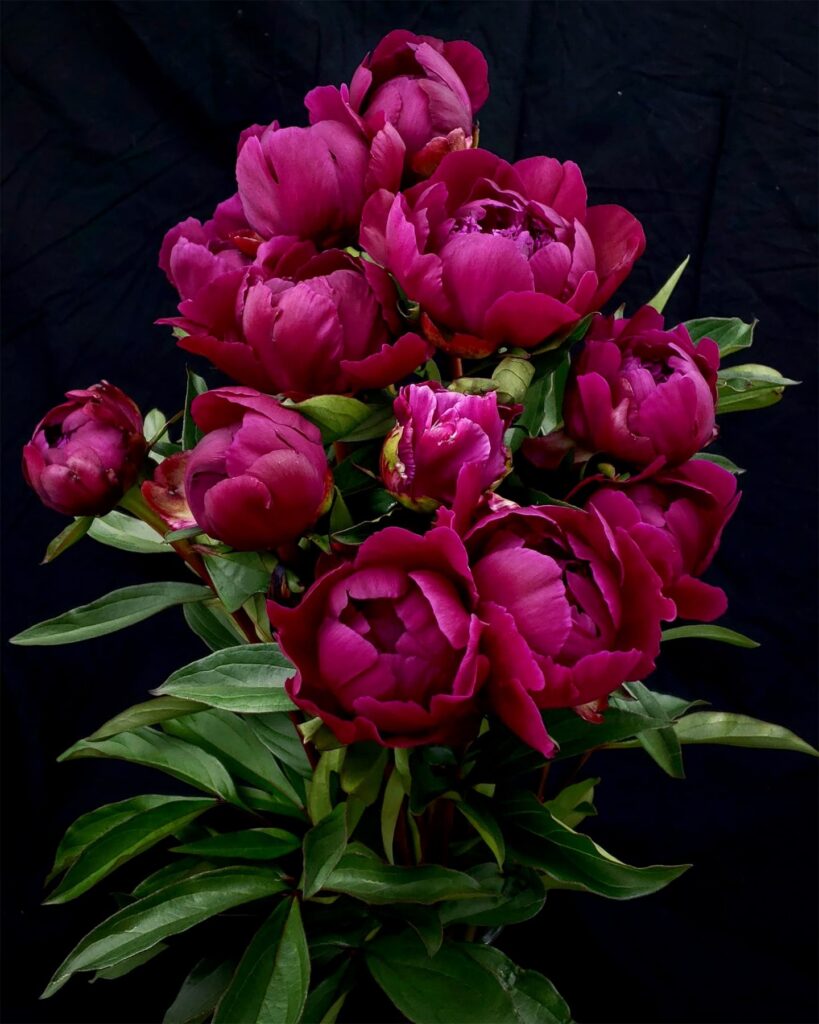
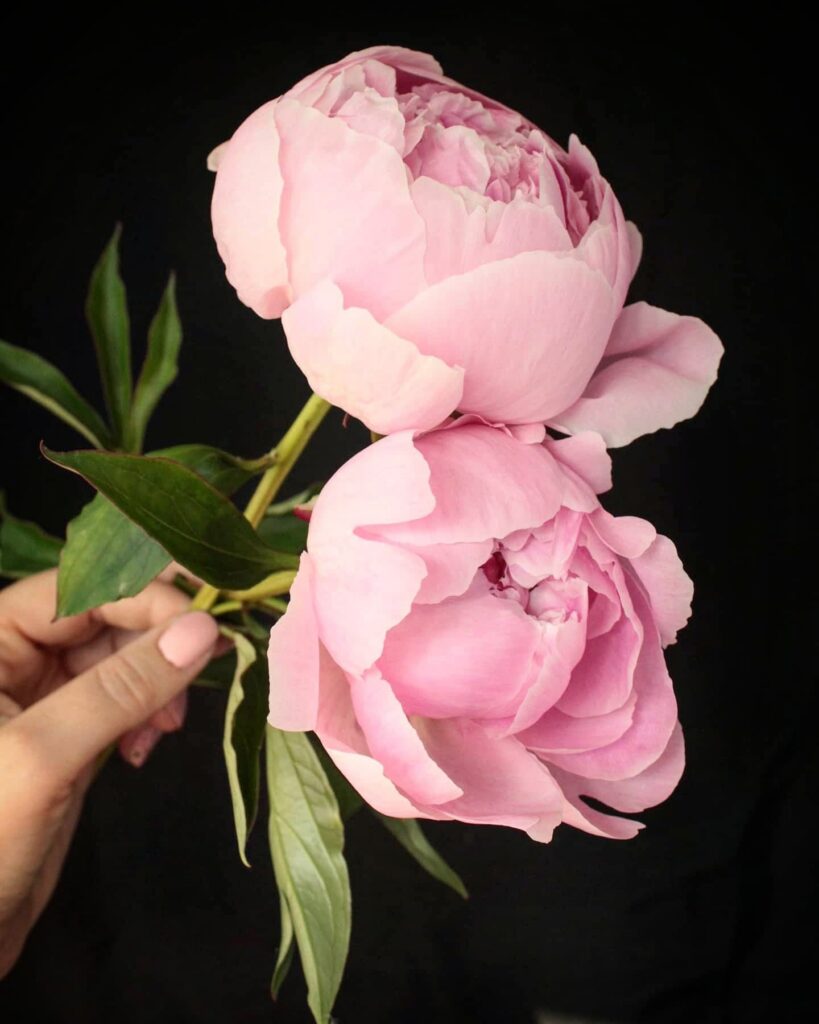
The state is offering a $1.2 million disaster relief fund for peony growers whose rootstock was destroyed or seriously damaged during the winters of 2023 and 2024. Depending on the location, farms may have experienced repeated freeze-thaw cycles, lack of sufficient snow cover, and abnormal rainfalls.
Ron Illingworth, a retired English professor who now chairs the floriculture committee of the Alaska Farm Bureau, said this past winter was even worse for growers. He’s requesting that Alaska’s congressional delegation allocate more disaster relief for Alaska peony farmers.
New Products, New Possibilities
Although growing peonies is hard work and despite the challenges of shipping them to market within a twenty-four-hour window, some Alaskan peony farmers like the Williams family have no plans to shut down. Once they clear the FDA regulatory hurdles, the Williamses are confident their botanical extracts will sell.
“The Asian market is huge,” Mike said. Distilled and infused into tinctures, peonies have been used in traditional Chinese medicine for thousands of years. Peony extract can also be marketed to bourgeoning wellness and skin care industries, and food and beverage companies that produce prebiotic sodas and snacks free of artificial dyes, too. Having a shelf-stable product that can be made and shipped year-round will help ease business tensions, including having to compete for workers with Alaska’s seasonal fishing and tourism industries, he predicts.
At age seventy-two, Mike doesn’t need to work at this point in his life. But he does want to leave something of value to his four children when he and Paula are gone. In the meantime, the Williamses stay busy navigating regulatory hurdles, making sure their peonies are healthy and growing properly, and running their solar-powered, off-grid farm in the shadow of Mount Susitna.
“I think it’s just kind of our nature to accept challenges, be bold,” Mike said. “You know, we have a saying here: Anything but ordinary.”