Environment

Reporting on the lands and waters of Salmon Nation: forests, rivers, wetlands, and wildlife — and the people working to protect and restore them.

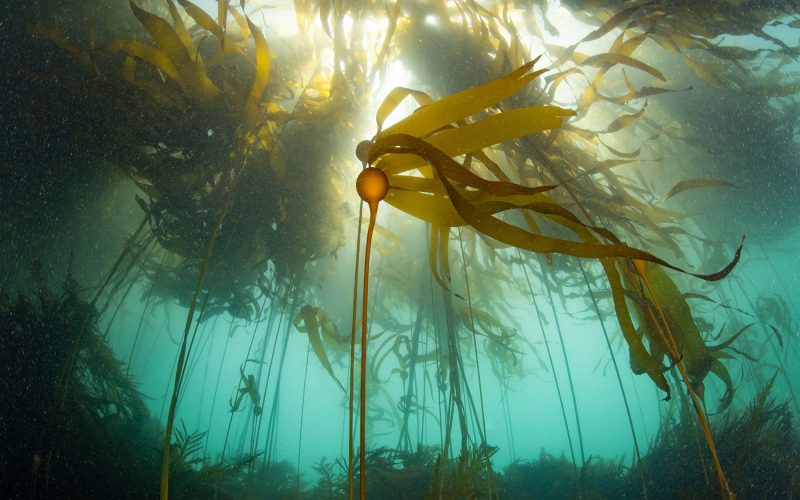
Kelp forests are some of the most critical marine ecosystems on Earth, providing carbon sequestration, food sources, and habitats. Though some kelp species are threatened by climate change and predation, Northern California is experiencing a successful recovery through community action and scientific research.

By: Nikkey Dawn

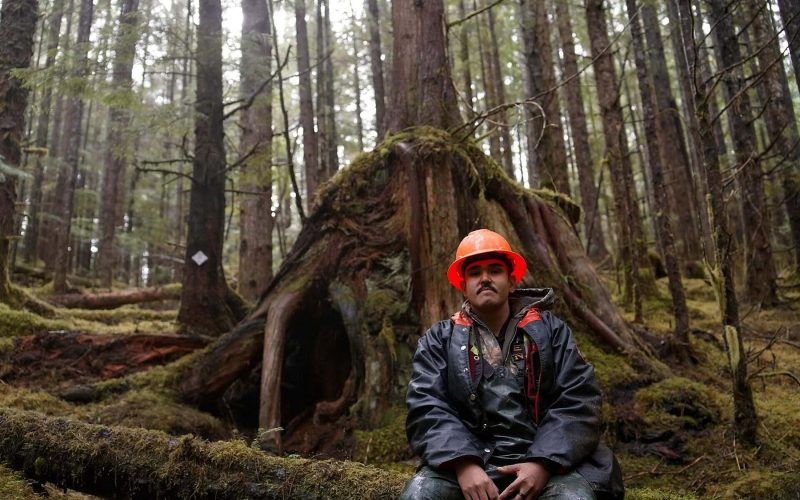
The Haida Nation is crafting artificial dens from stumps to shelter coastal black bears for the upcoming winter, while hoping the effort doesn’t become an excuse for clear-cutting to continue unchecked.

By: Sonal Gupta

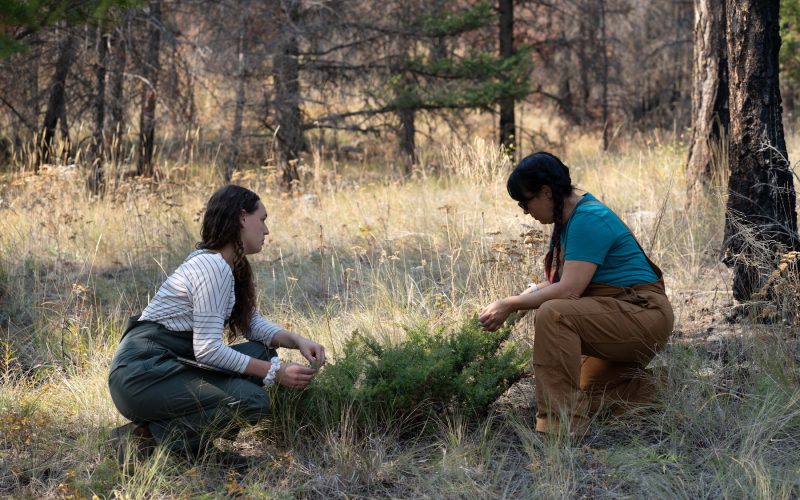
First Nations ecologist and professor Dr. Jennifer Grenz works with the Indigenous Ecology Lab to advocate for traditional burning practices. 

By: Cameron Fenton

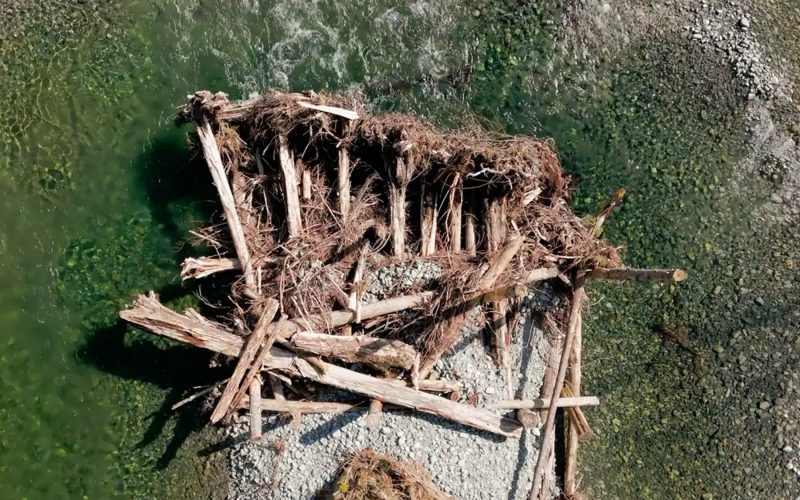
An ambitious restoration project in Tla-o-qui-aht territory is using engineered logjams to rebuild salmon habitat in the degraded Tranquil Creek watershed.

By: Zoë Yunker

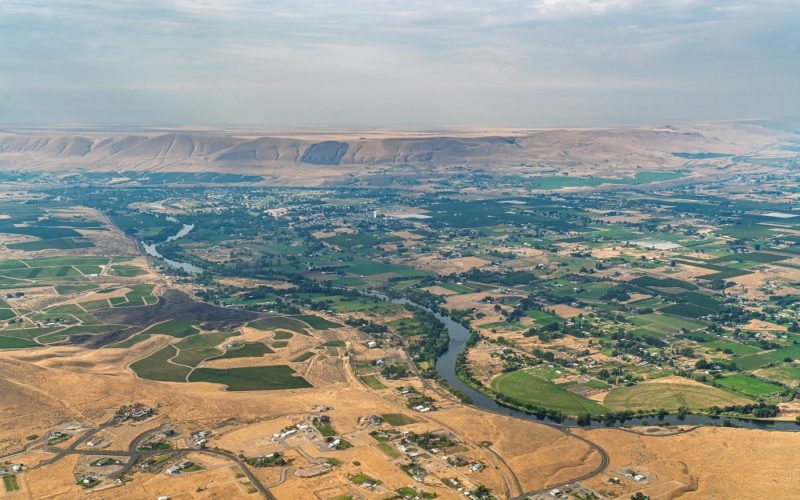
From conservation to sharing to storage, farmers, fisheries, and cities are finding solutions through a Yakima Basin plan amid Washington’s fourth consecutive year of drought.

By: Bellamy Pailthorp

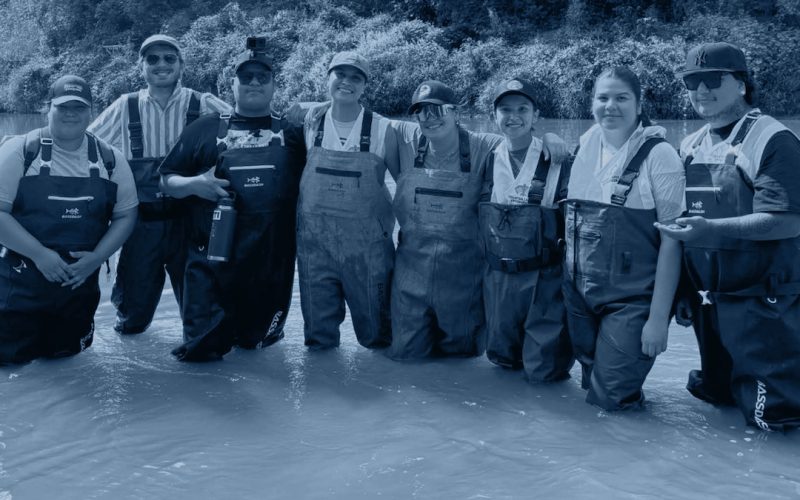
The most comprehensive assessment of Indigenous Guardians programs to date has just been released, outlining the enormous scale of benefits to communities, First Nations, and the bioregion.

By: Indigenous Leadership Initiative

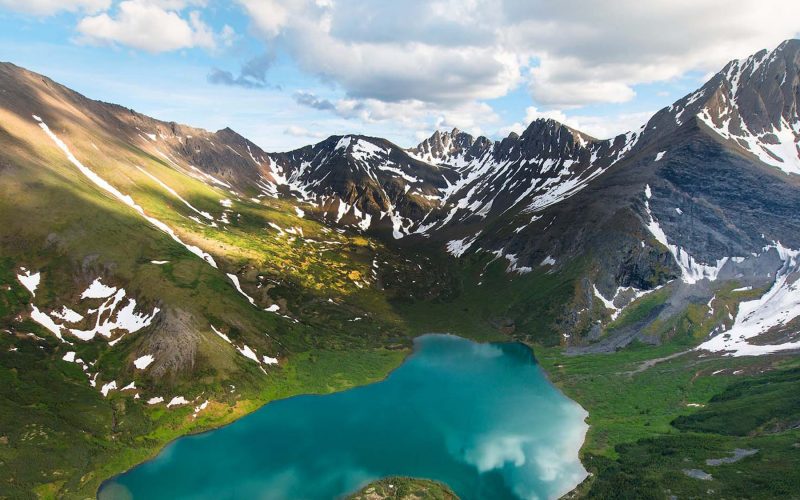
British Columbia’s Kaska Nation wants to protect a wilderness area larger than Denali National Park, which brings both promise and challenge to the future of Indigenous-led conservation.

By: Cameron Fenton

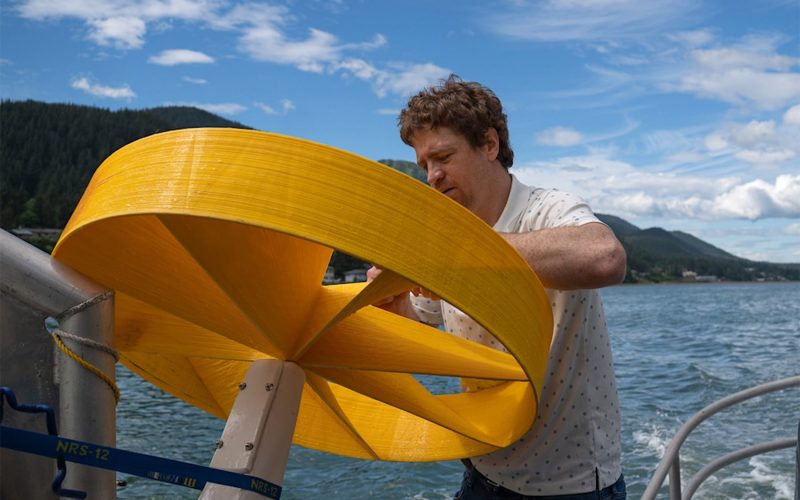
The startup’s underwater turbines are designed to power isolated communities along the coast.

By: Nick Engelfried

Grab a paddle. It’s time to work together.

Sign up for Magic Canoe’s twice-monthly newsletter to stay in the loop. Get stories, updates, events, and inspiration delivered straight to your inbox. No spam.