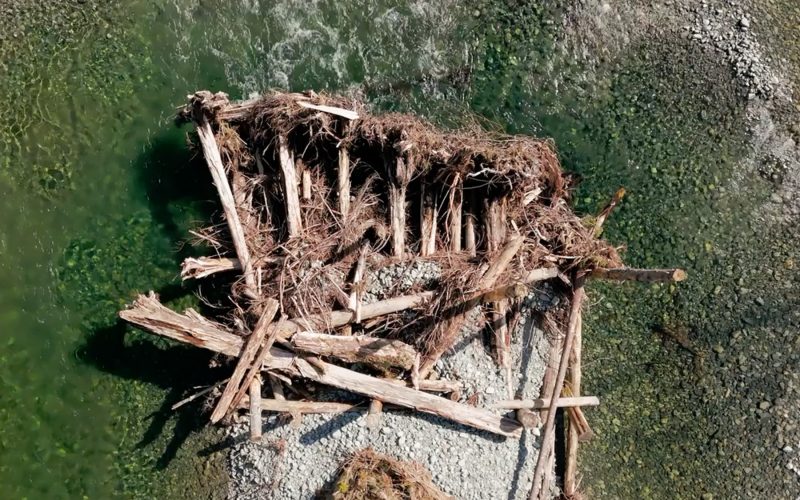
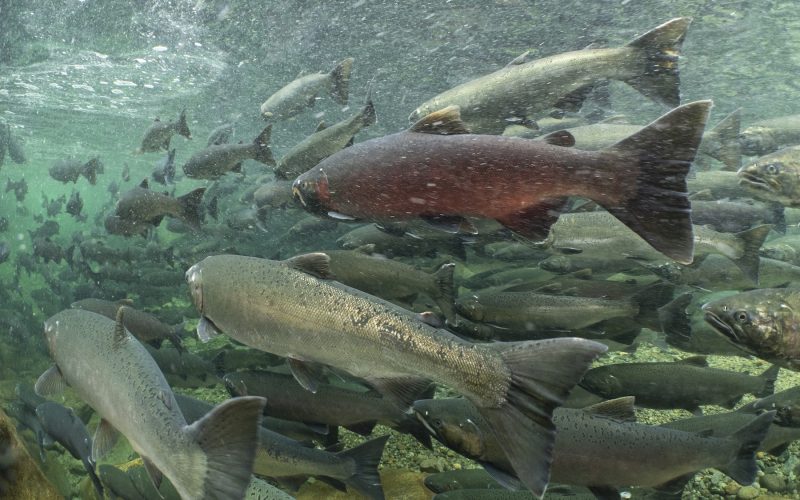
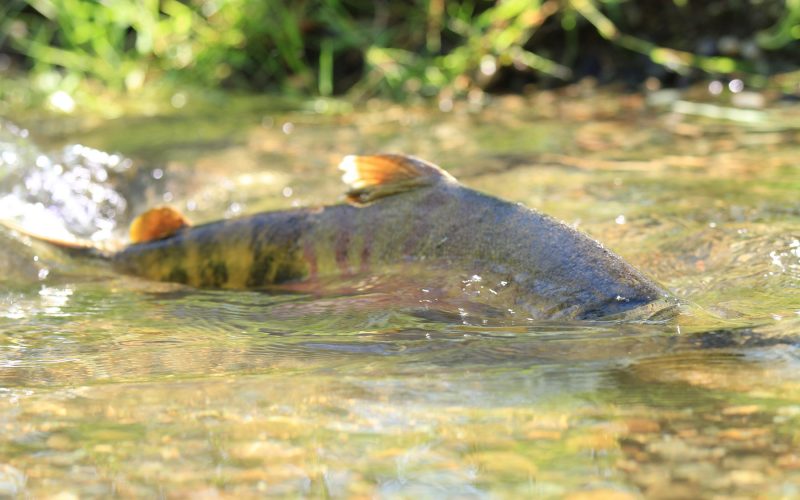
An ambitious restoration project in Tla-o-qui-aht territory is using engineered logjams to rebuild salmon habitat in the degraded Tranquil Creek watershed.
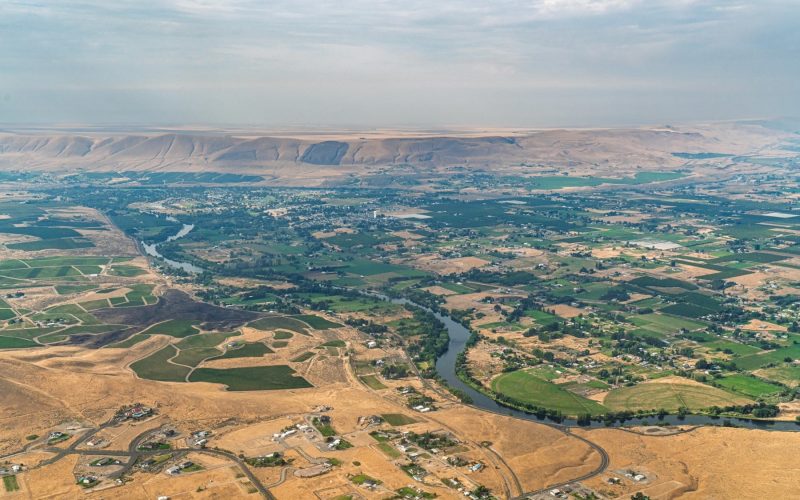
From conservation to sharing to storage, farmers, fisheries, and cities are finding solutions through a Yakima Basin plan amid Washington’s fourth consecutive year of drought.
A public comment period closes soon on a plan to rescind protections for 45 million acres of wildlands, endangering recovery for salmon and hundreds of other species.
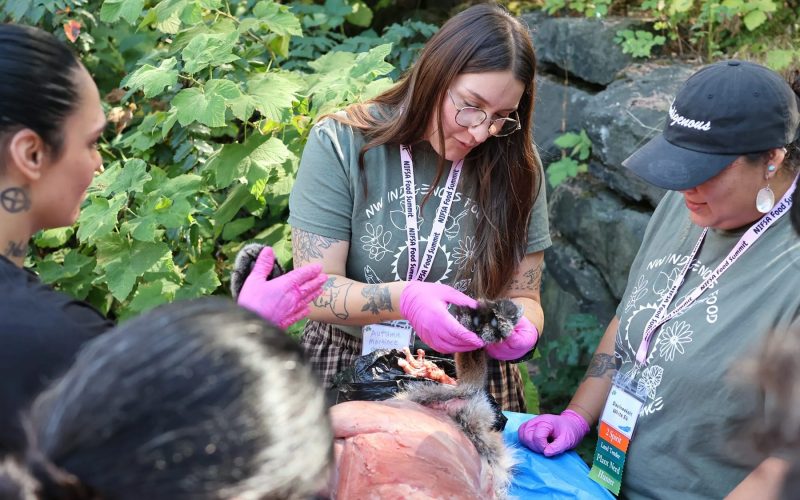
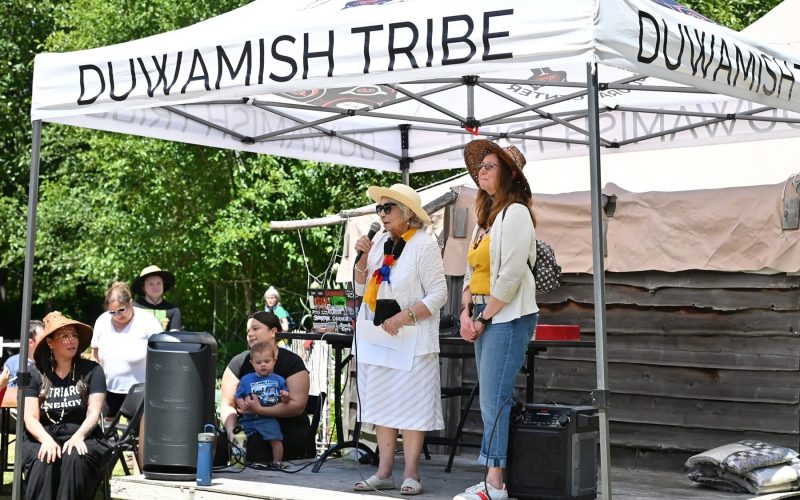
Traditional knowledge keepers from across the Pacific Northwest came together for two days to explore food sovereignty, culture plants, medicines, and politics.
A popular climate podcast is upping the stakes with some of the smartest and boldest conversations yet. Here are the five must-listen new episodes from their fifth season so far.
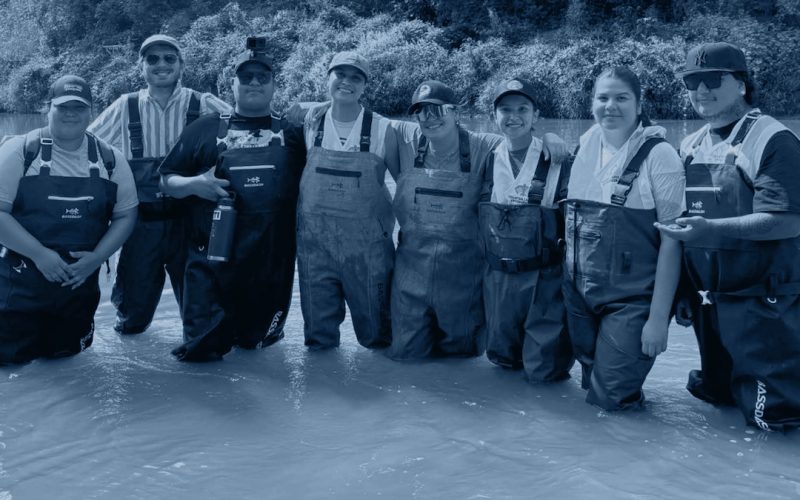
The most comprehensive assessment of Indigenous Guardians programs to date has just been released, outlining the enormous scale of benefits to communities, First Nations, and the bioregion.
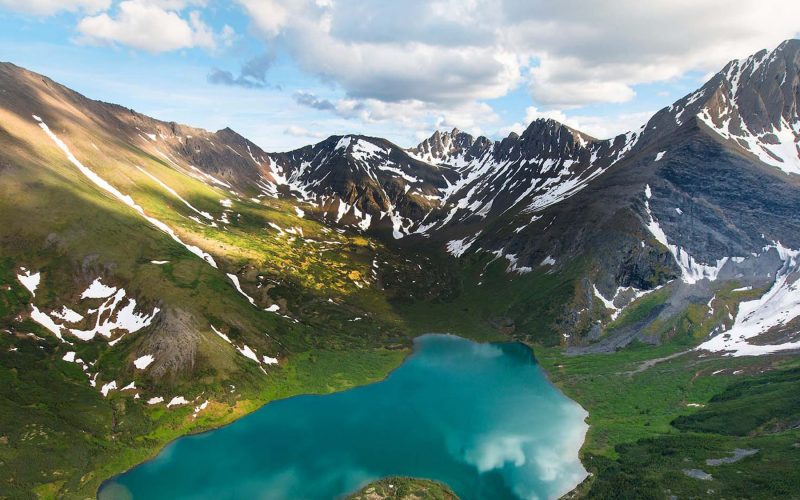
British Columbia’s Kaska Nation wants to protect a wilderness area larger than Denali National Park, which brings both promise and challenge to the future of Indigenous-led conservation.
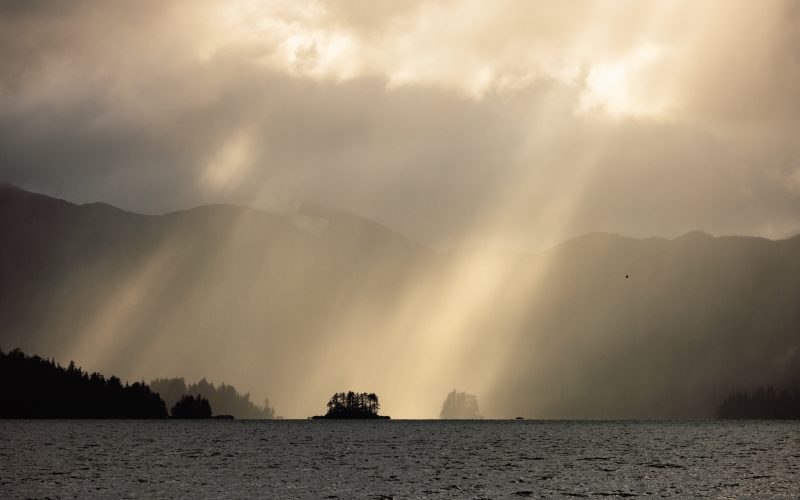
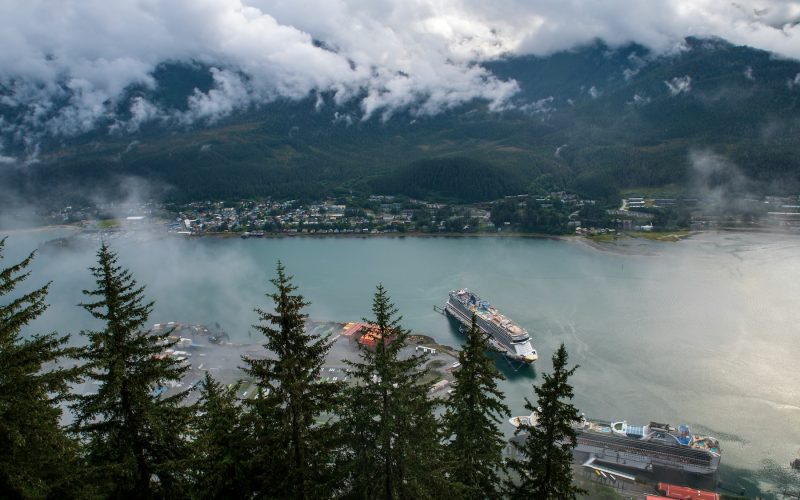
The burgeoning cruise ship industry’s presence has its critics, who view it as community-altering and unsustainable, while others welcome its jobs and revenue.
A collaborative effort among tribes, irrigators, and environmental groups to untangle conflicts over water use offers a path to success for river restoration and local economies.
Sign up for Magic Canoe’s twice-monthly newsletter to stay in the loop. Get stories, updates, events, and inspiration delivered straight to your inbox. No spam.