Indigenous

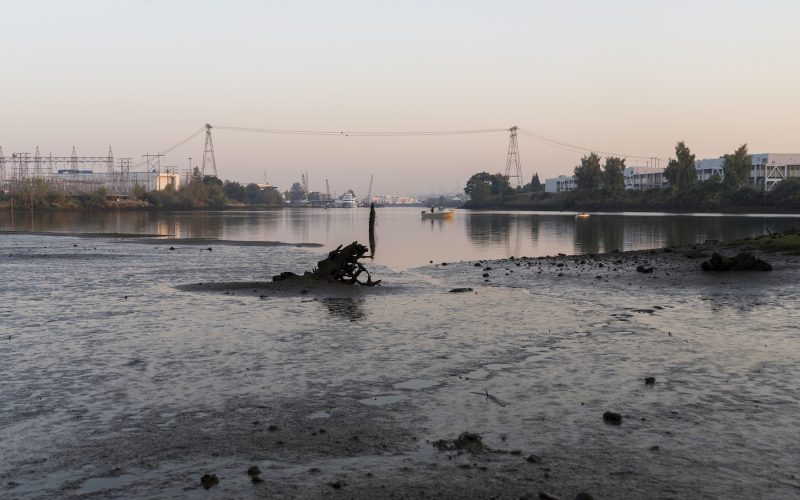
How one of the largest cities in Salmon Nation has restored the Duwamish River over the past three decades — community-first and one mucky step at a time.

By: Kathleen Tarrant. Photography by Kirk Hostetter

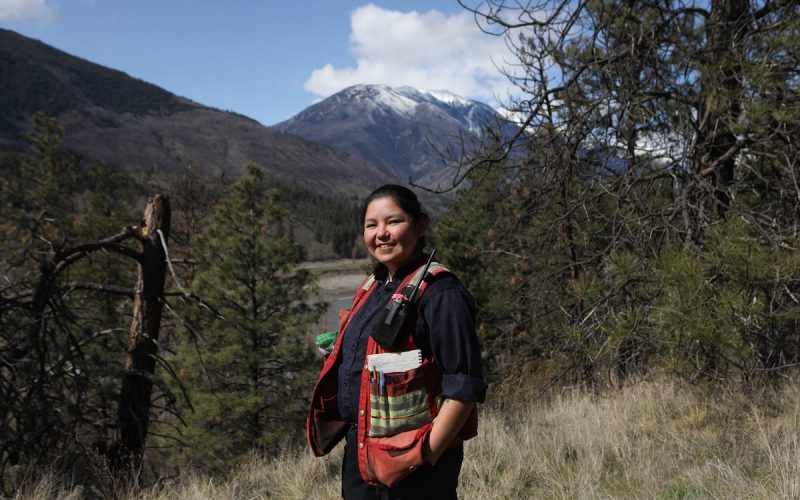
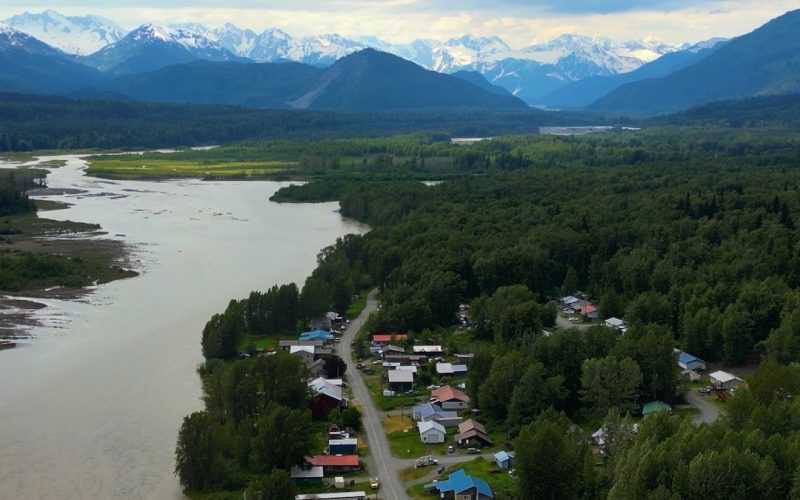
Southeast Alaska’s Chilkat community mobilizes against the Palmer Mine.

By: Native New Online Staff

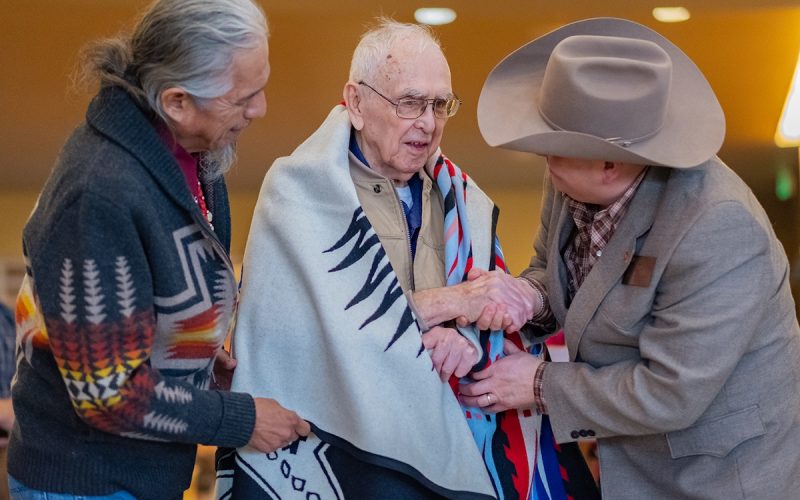
More ancestral lands are being returned to tribes, while other important sites remain at risk.

By: Chad Bradley and Anna V. Smith, High Country News

Without Indigenous-led environmental assessments, Tribes and First Nations are too often asked to face the consequences of extractive projects they never consented to.

By: Astra Lincoln

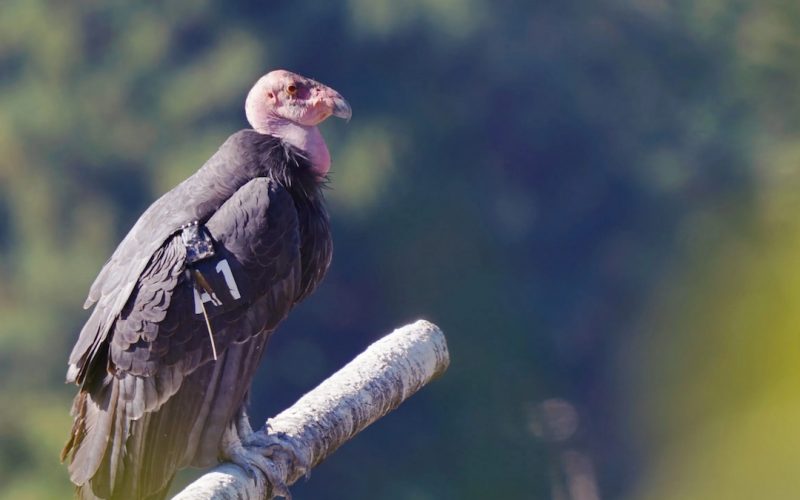
The wildest national forest in the U.S. may soon lose its protections.

By: Lynda Mapes, Photography by Amy Gulick

At Salish School of Spokane, students from 1 to 13 are immersed in n̓səl̓xčin̓, known as the Colville-Okanagan Salish language, learning alongside their teachers and families.

By: Nika Bartoo-Smith, Underscore Native News & ICT

Colonization harmed Indigenous trade, commerce, and wealth. Jacqueline Jennings’ Fireweed Institute is reversing those impacts.

By: Andrea Smith

An overused phrase goes under the microscope.

By: B. ‘Toastie’ Oaster, High Country News

An unprecedented project to reconnect fish migration routes in western Washington State is showing exciting signs of ecological and cultural benefits.

By: Bryn Nelson

In British Columbia, stewards from the Heiltsuk First Nation are using computational models and Indigenous knowledge to protect bears’ access to salmon.

By: Jane Palmer

Grab a paddle. It’s time to work together.

Sign up for Magic Canoe’s twice-monthly newsletter to stay in the loop. Get stories, updates, events, and inspiration delivered straight to your inbox. No spam.