Renegade economist Kate Raworth’s bestselling 2017 book, Doughnut Economics, ignited a global movement. A groundbreaking report last month from the California Doughnut Economics Coalition places the state as a U.S. leader for addressing social and ecological priorities.
In British Columbia, stewards from the Heiltsuk First Nation are using computational models and Indigenous knowledge to protect bears’ access to salmon.
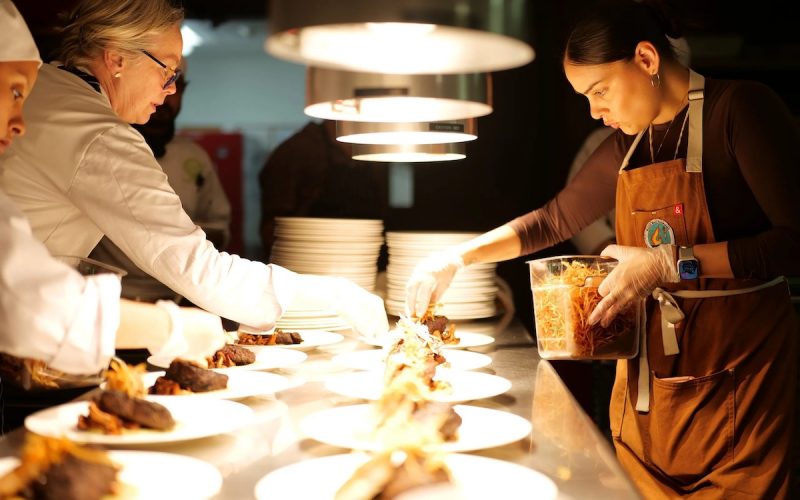
Native chefs came together for one night only in Seattle for a traditional gastronomic showcase, featuring dishes by Sean Sherman, Pyet Despain, Rob Kinneen, and Luke Black Elk.
Magic Canoe is committed to truth, to telling stories that honor Indigenous sovereignty, while refusing to support narratives that perpetuate further colonization of people and place.
A Peabody-nominated podcast from the Kenan Institute for Ethics at Duke University tells the story of the world’s dominant economic system—how it emerged and evolved over the centuries—and explores how it might be transformed.
This podcast series by Katy Shields and Vegard Beyer tells the true story of why The Limits to Growth (1972), after positive initial reception, was fought against and has since been largely ignored.
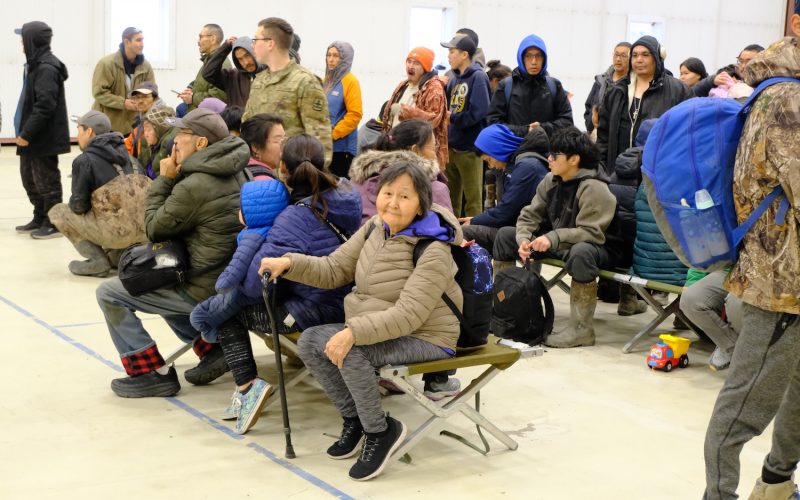
Typhoon Halong struck western Alaska on October 12, displacing thousands. A historic airlift evacuation is mobilizing now, working together to keep residents safe.
For Indigenous Peoples’ Day, we celebrate Robin Wall Kimmerer, Potawatomi botanist and author of New York Times bestseller Braiding Sweetgrass, as she launches, “Plant, Baby, Plant.”
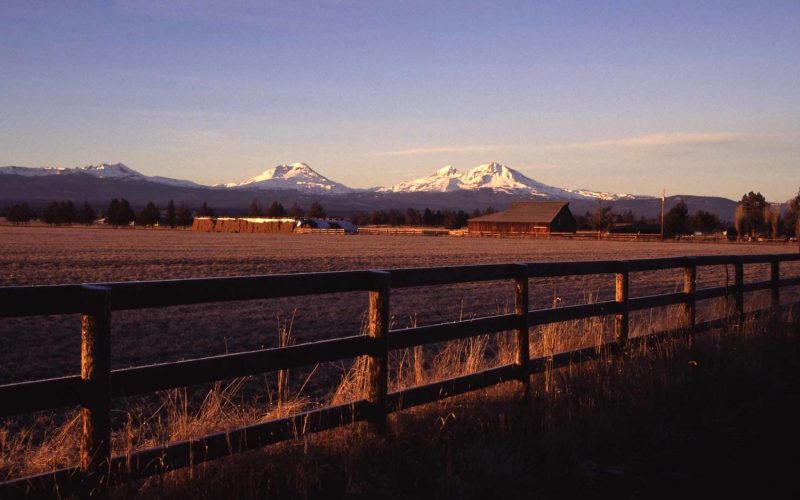
An interview with Citizens4Community executive director Kellen Klein explores their solidarity work in central Oregon, building community durability through relationships.
A new program at Chico State University demonstrates the restorative power of connecting with the environment to turn loss into community strength. Does it work?
Sign up for Magic Canoe’s twice-monthly newsletter to stay in the loop. Get stories, updates, events, and inspiration delivered straight to your inbox. No spam.