This section will hold original content created by Magic Canoe writers and friends. Check this page in the weeks ahead for more stories from Salmon Nation.
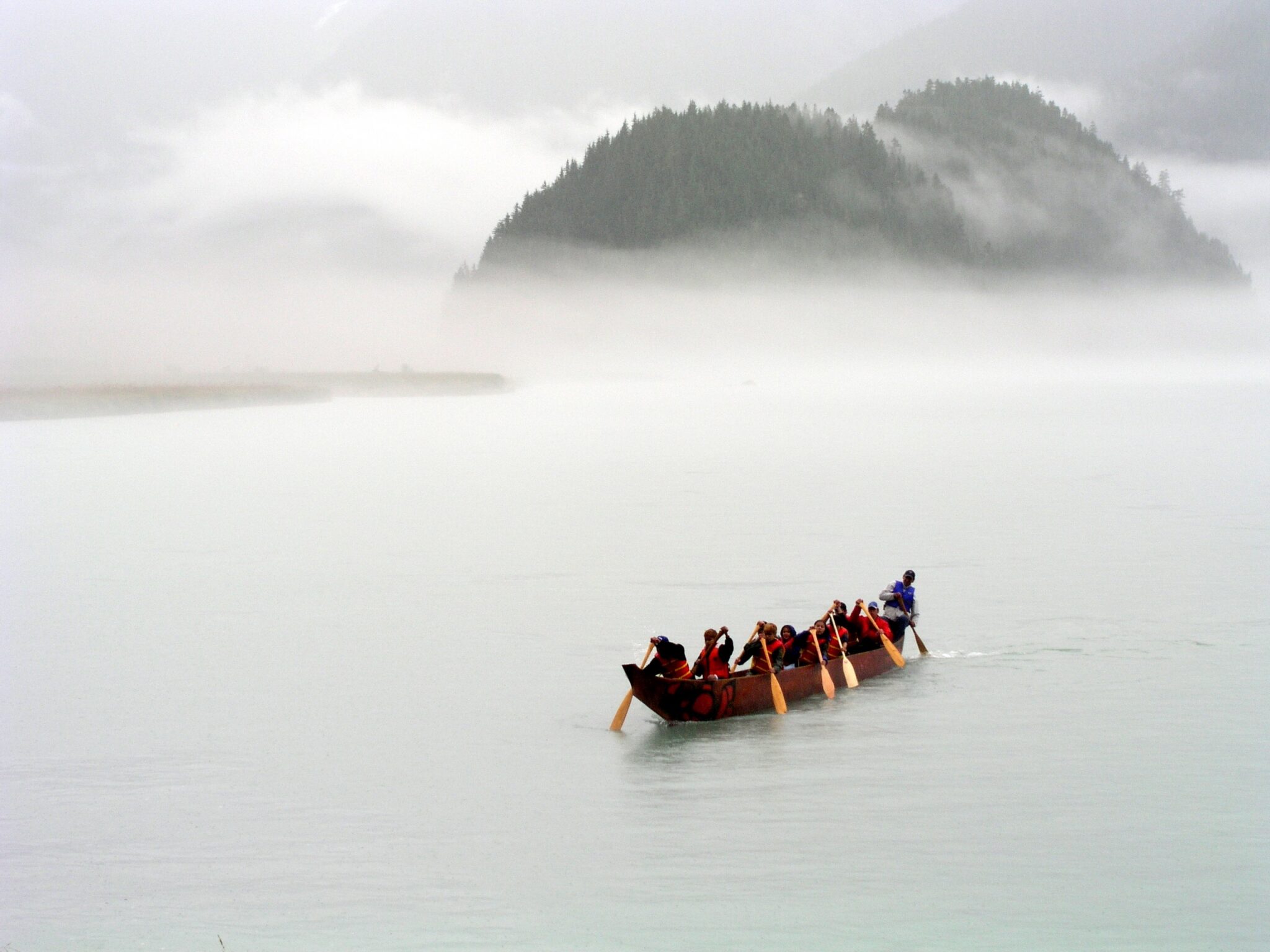
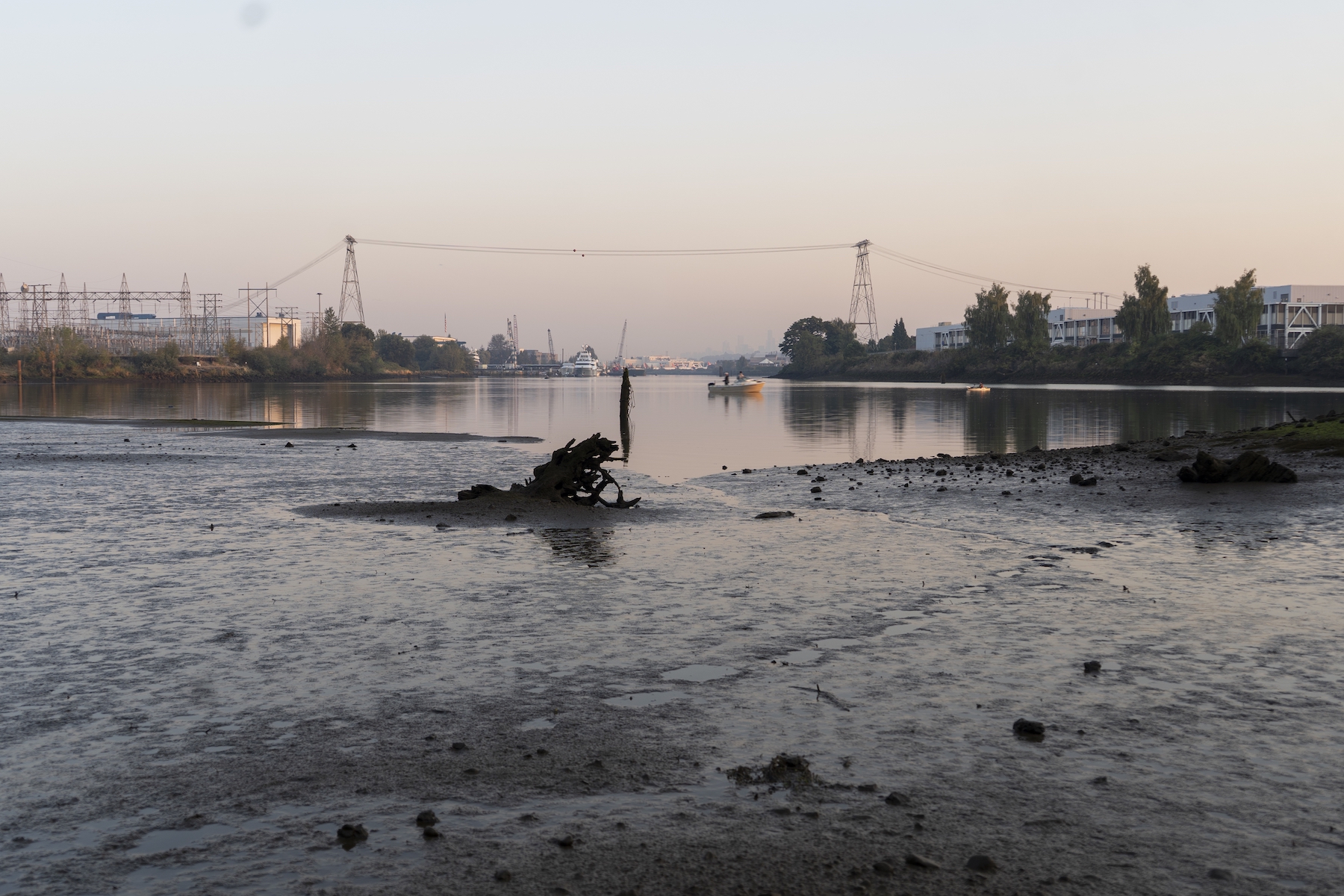
How one of the largest cities in Salmon Nation has restored the Duwamish River over the past three decades — community-first and one mucky step at a time.
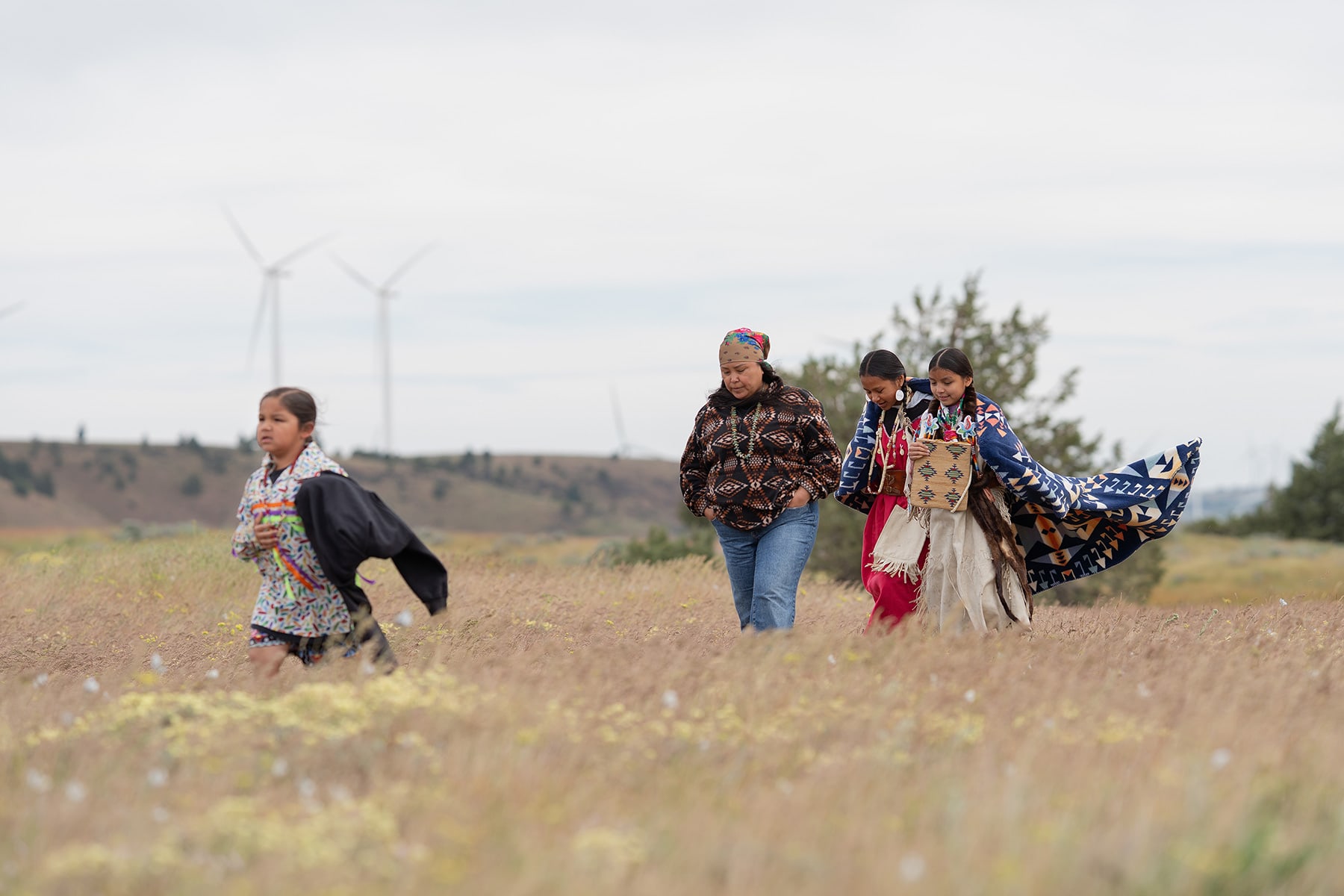
Without Indigenous-led environmental assessments, Tribes and First Nations are too often asked to face the consequences of extractive projects they never consented to.
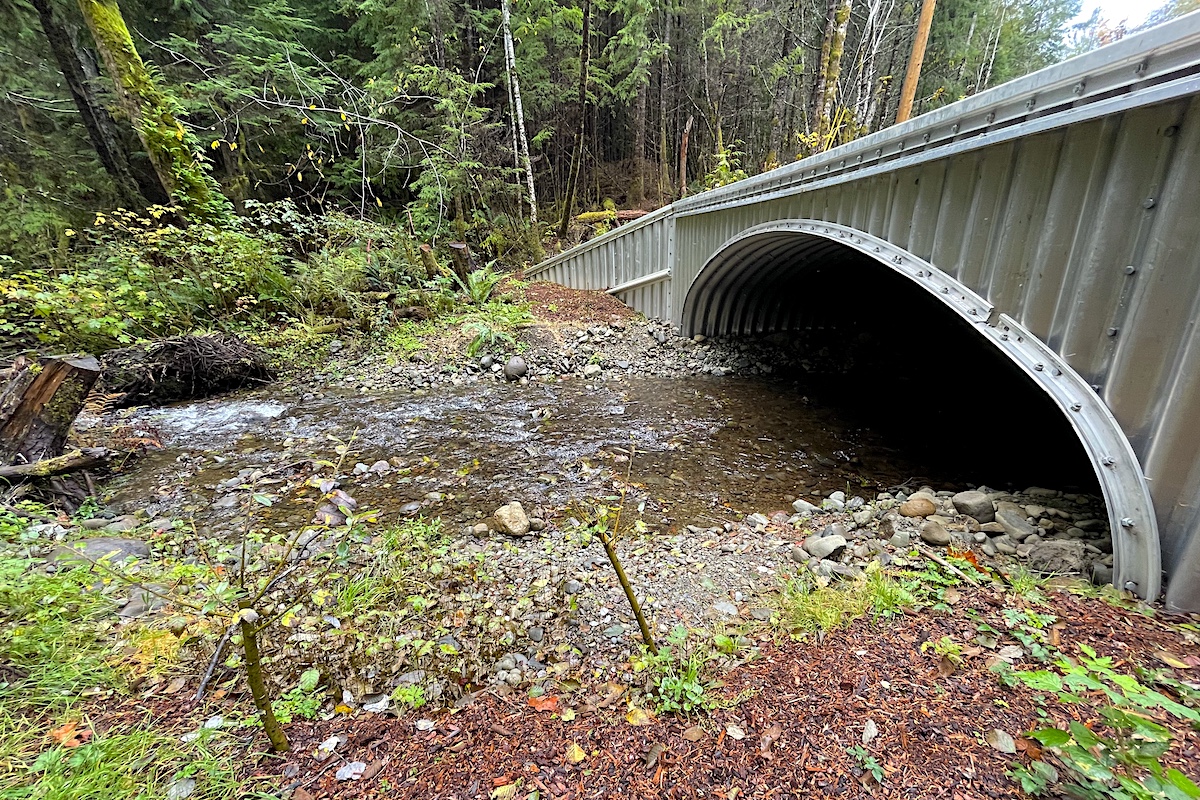
Vancouver, Canada, British Columbia’s largest city, has been attempting to recover its many paved-over waterways. But can what’s been lost ever come back?
Renegade economist Kate Raworth’s bestselling 2017 book, Doughnut Economics, ignited a global movement. A groundbreaking report last month from the California Doughnut Economics Coalition places the state as a U.S. leader for addressing social and ecological priorities.

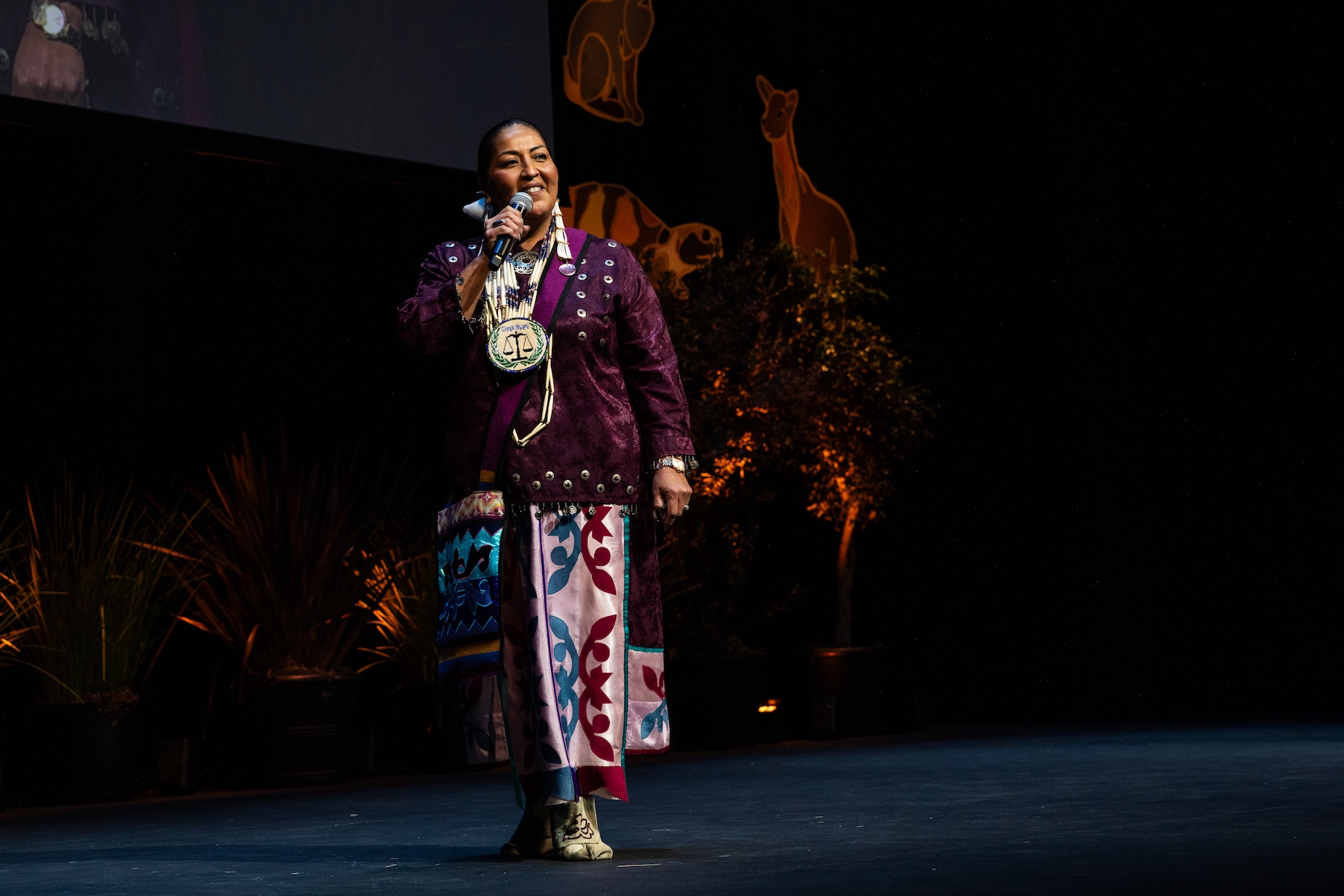
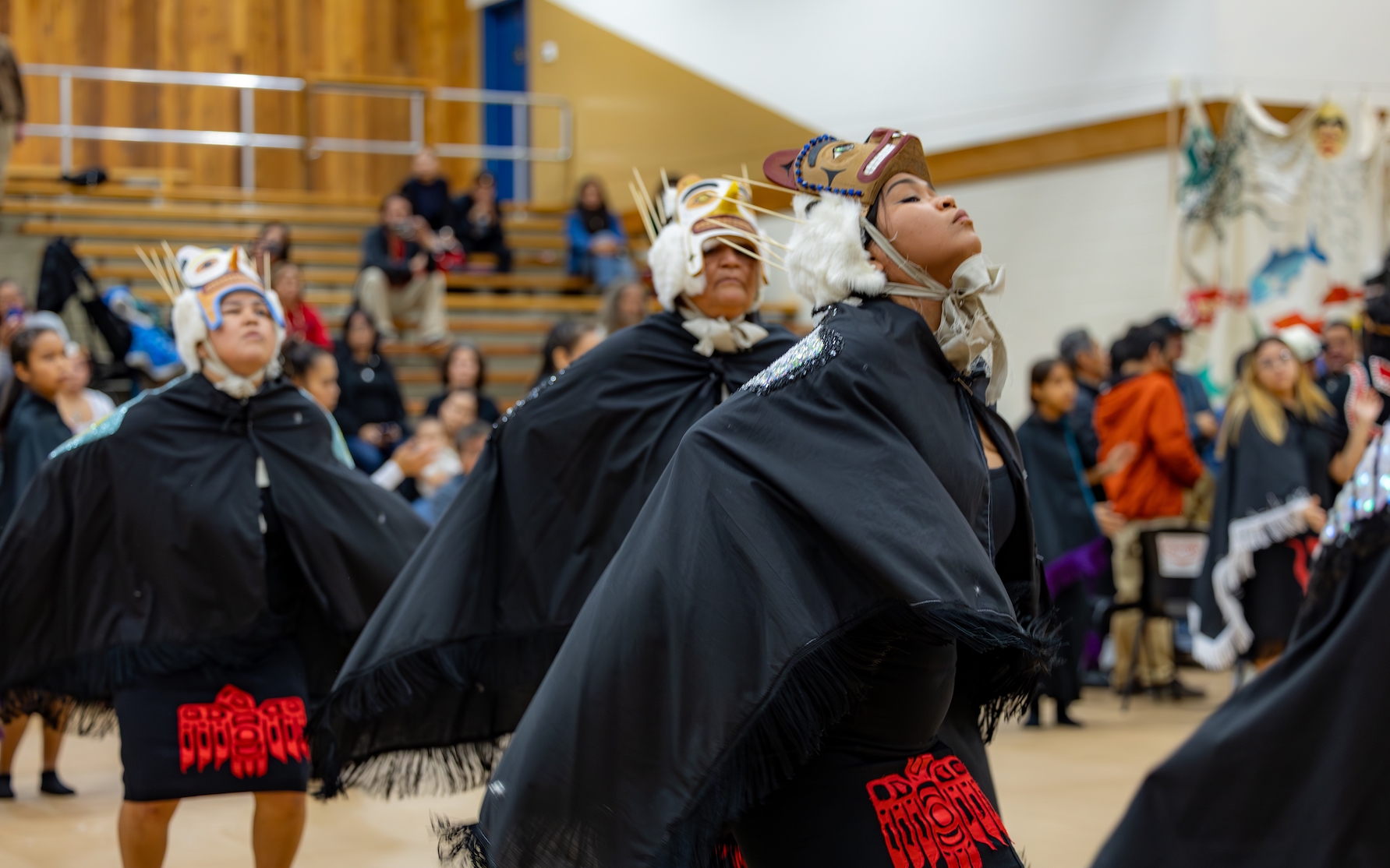
Magic Canoe is committed to truth, to telling stories that honor Indigenous sovereignty, while refusing to support narratives that perpetuate further colonization of people and place.
A new program at Chico State University demonstrates the restorative power of connecting with the environment to turn loss into community strength. Does it work?
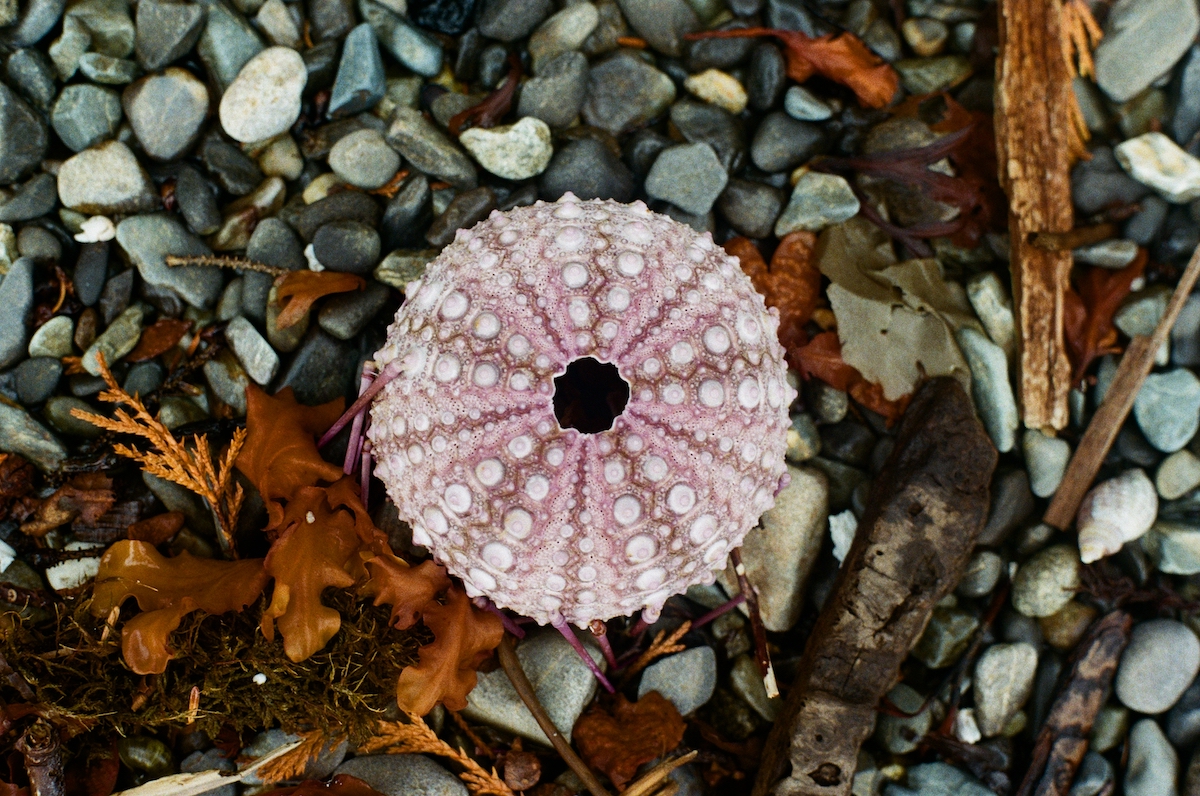
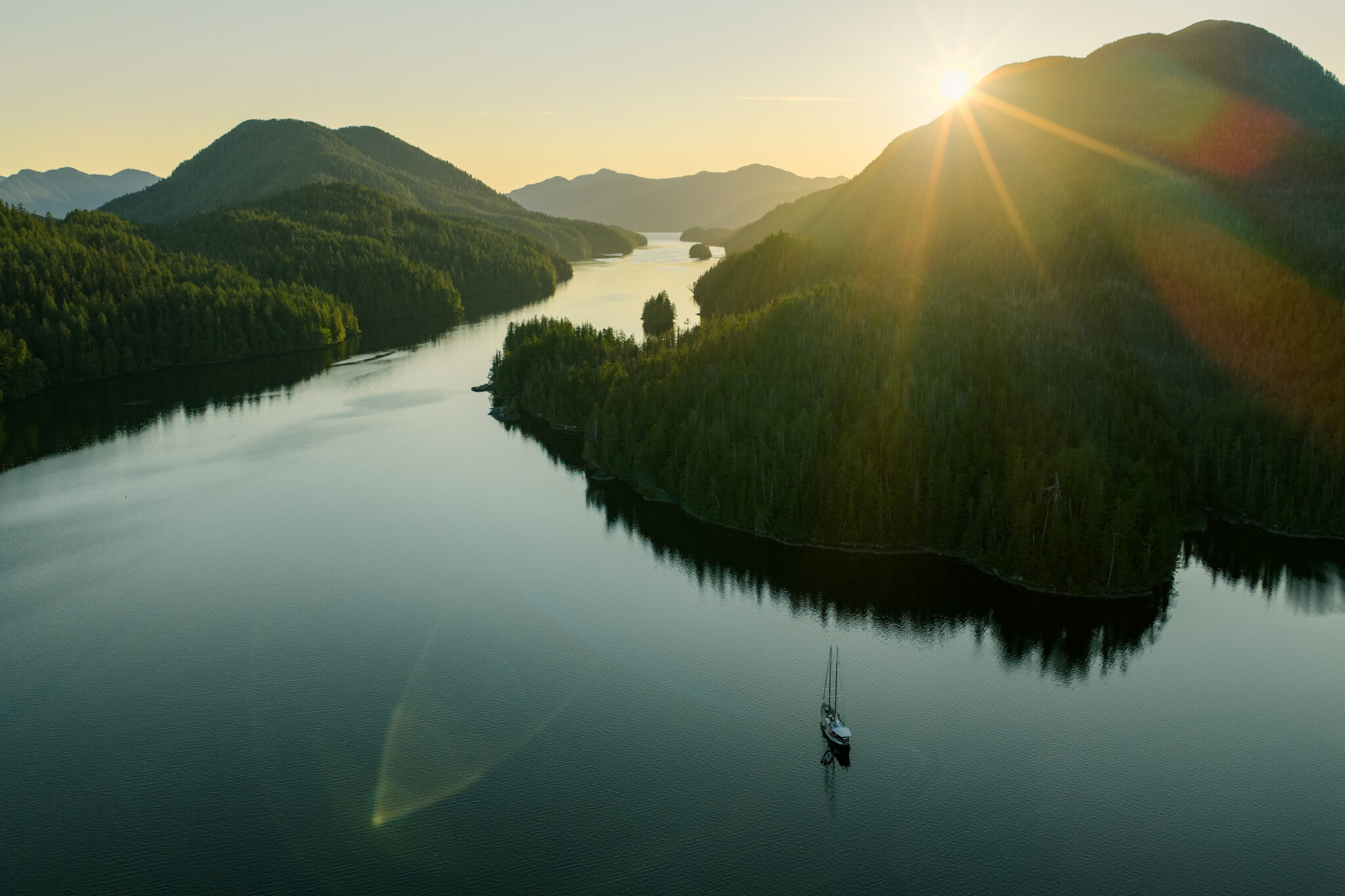
A photographic essay captured during a sailing expedition along British Columbia’s central coast, a journey into one of the world’s last great coastal temperate rainforests.
Seattle hosted the first-ever bioregional finance conference (BioFi), to strategize ways of moving money toward efforts regenerating the environment. Here’s what happened.
Sign up for Magic Canoe’s twice-monthly newsletter to stay in the loop. Get stories, updates, events, and inspiration delivered straight to your inbox. No spam.