The

What Works Series

The Business of a Healthy Bioregion, A partnership between The Tyee, Salmon Nation Trust, and the Magic Canoe

In December 2023, the Salmon Nation Trust and Magic Canoe partnered with The Tyee, the award-winning online, independent news magazine based in Vancouver, BC, to produce a solutions-focused series called “What Works.” It profiles dedicated, creative individuals working across our bioregion to create enterprises that are low carbon, locally-rooted and regenerative.

Searching for a meat substitute, this Vancouver company found one in the rootlike structure of mushrooms.

By: Inder Nirwan

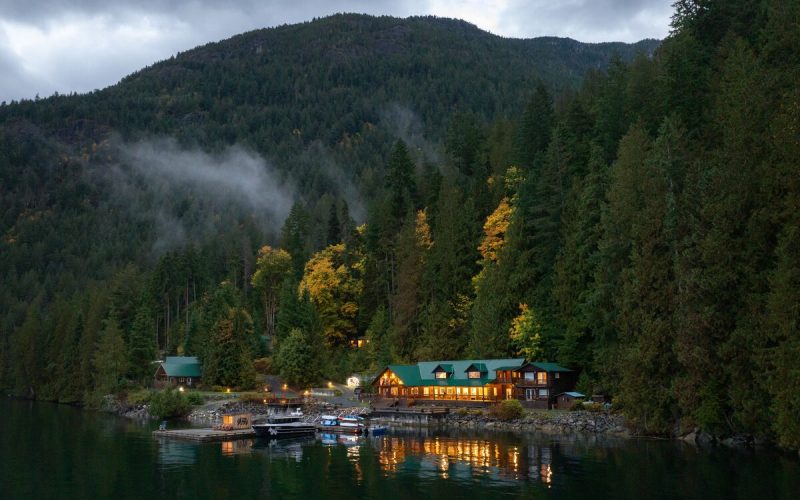
How the Klahoose converted a closed BC fishing lodge into a place to immerse in nature and culture.

By: Abby Francis

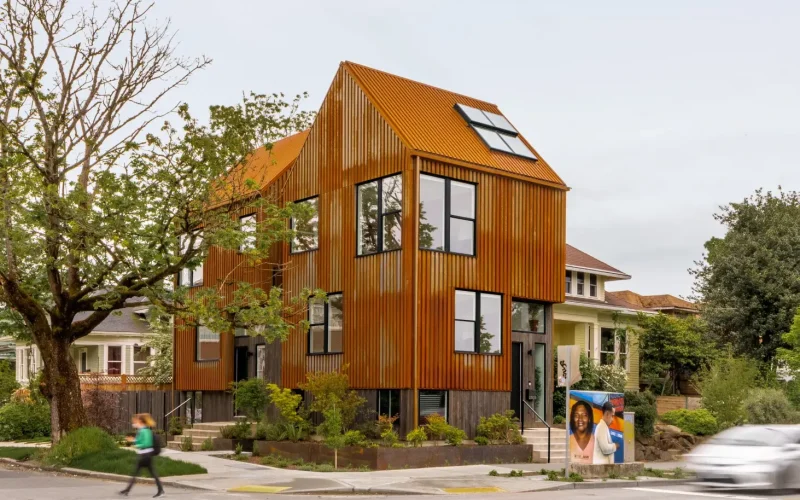
Robert Humble of Hybrid Architecture started making homes from upcycled shipping containers in the early 2000s, a milestone in eco-design.

By: Samantha Holomay

How non-profits, trusts and cities are converting manicured greens into places where wildlife, plants and people flourish.

By: Josh Kozelj

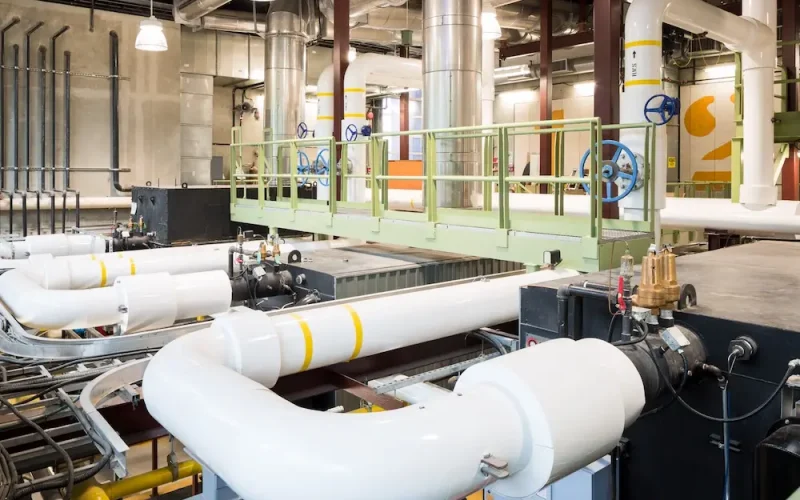
In a first in North America, wastewater is being harnessed for energy in Vancouver’s Olympic Village.

By: Christopher Cheung

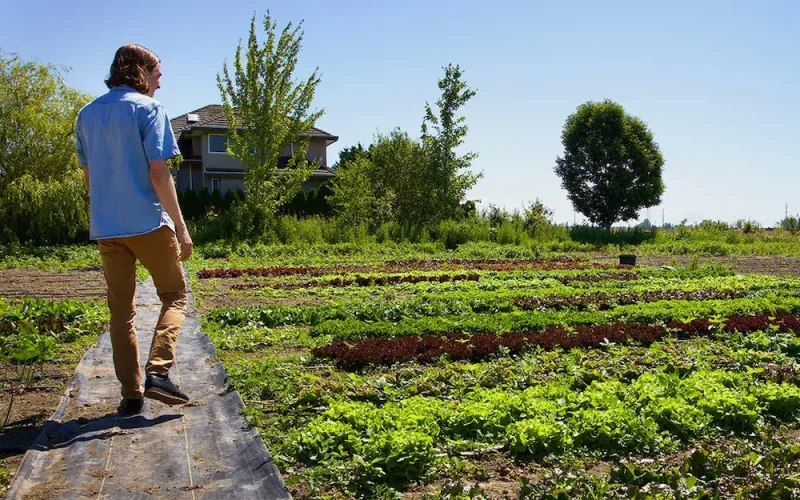
Retaining its focus on pollinators, climate change and soil health, West Coast Seeds sells over three million seed packets a year.

By: Katie Hyslop and Amanda Follett Hosgood

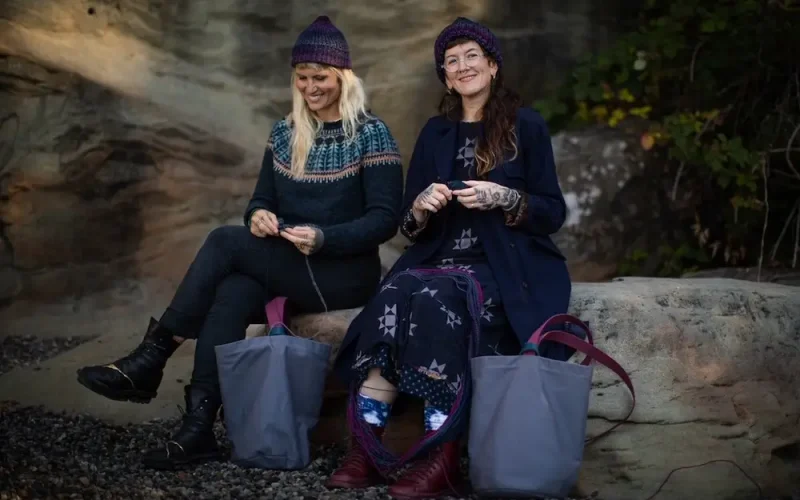
Spincycle is at the forefront of an artisanal boom in Bellingham. With stunning results.

By: Marissa Tiel

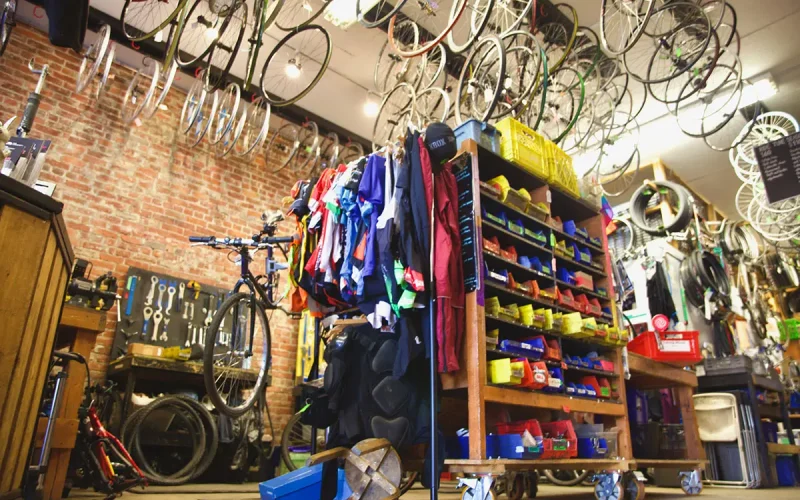
The scalable model keeps thousands of bicycles out of landfills every year, and helps cyclists fix their rides on the cheap.

By: Katie Hyslop

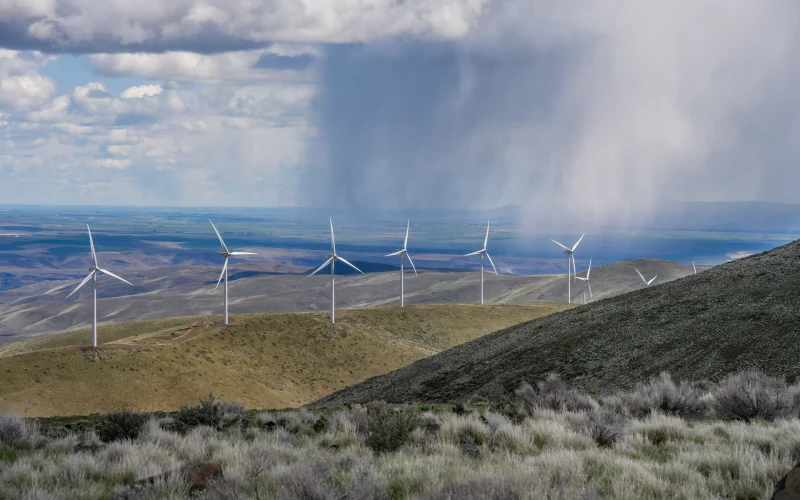
By helping customers pivot to electrification, Puget Sound Energy presents a jobs-boosting model to the bioregion.

By: Peter Fairley

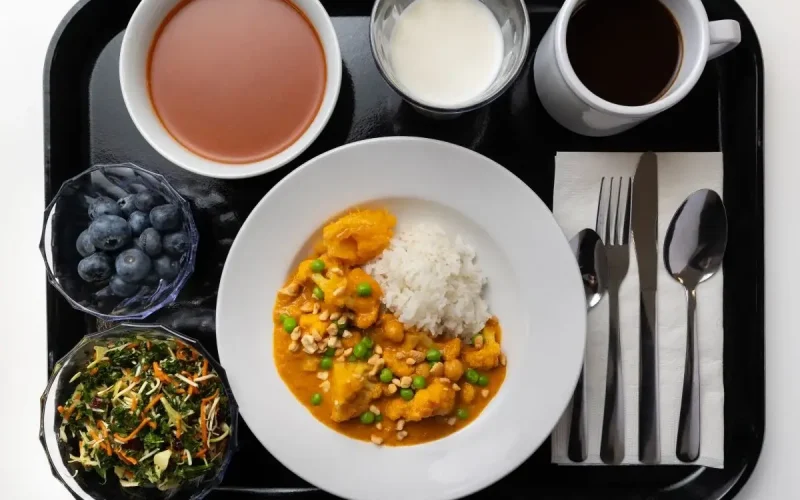
How health-care visionaries are creating tasty, culturally friendly menus while cutting waste and carbon emissions.

By: Tim Lydon

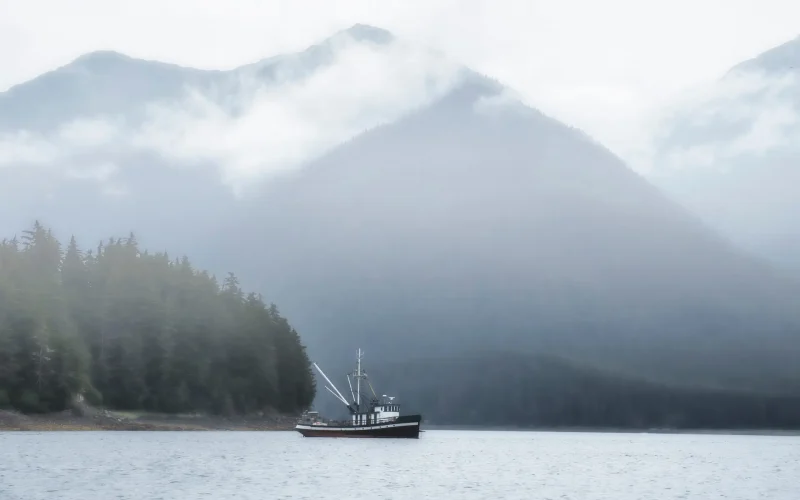
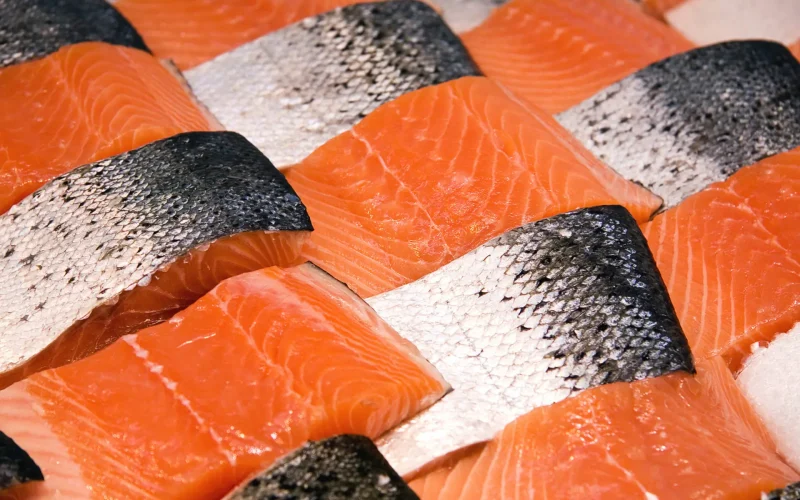
How five First Nations on Vancouver Island are joining to redefine fishing industry success. A Tyee Q&A.

By: Ryan Stuart

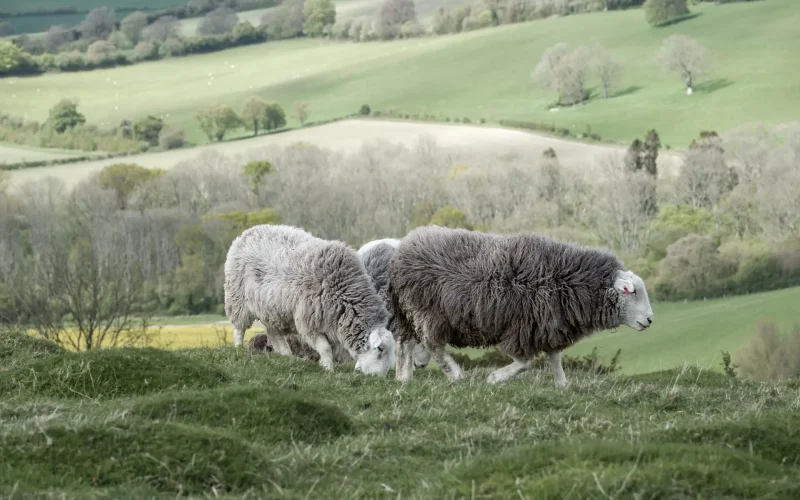
Tons of sheep clippings are dumped or burned. Meet folks reusing them instead to create jobs and a circular farming economy.

By: Andrea Bennett

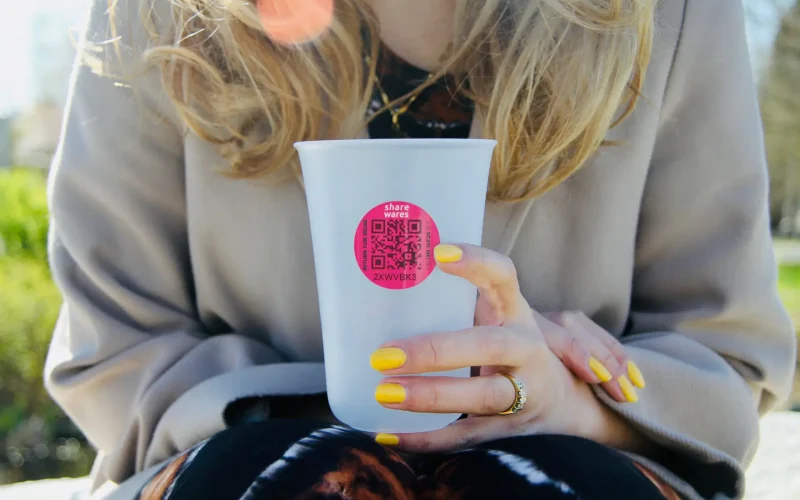
The cups and dishes you get at takeouts don’t have to end up in landfills. ShareWares invented a way to make them reusable.

By: Katie Hyslop

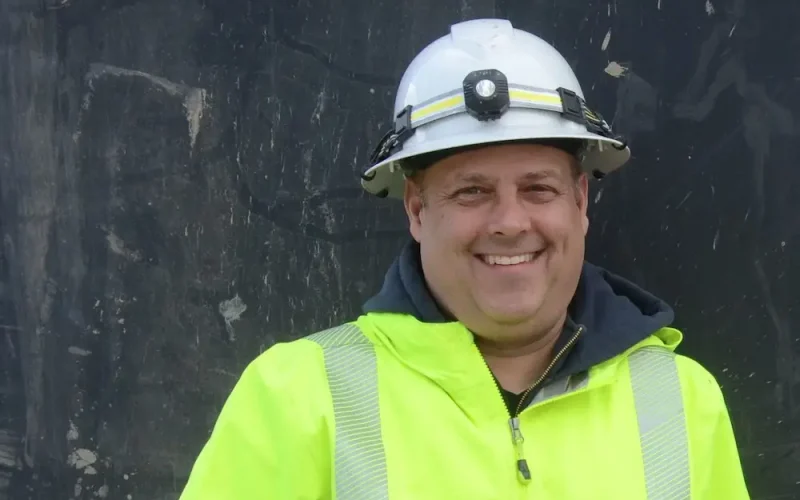
Construction digs up vast amounts of contaminated soil. GRT Resource Regeneration found a low-carbon way to transform it for new uses.

By: Andrew Findlay

Lux Bio invented a bioluminescent alternative to the toxic plastic wands that litter landfills and oceans.

By: Pippa Norman

Peko was launched by students to save groceries from the landfill. They’re helping to cut food bills and climate emissions.

By: Jen St. Denis

This Kamloops non-profit is feeding the dreams of local chefs passionate about community food systems.

By: Marissa Tiel

Timber Tiles on Vancouver Island offers a climate-friendly alternative to an ancient craft that today relies on fossil fuels.

By: Andrew Findlay

For social enterprise 4VI, it’s about visitors and their dollars leaving the place in better shape than they found it.

By: Ryan Stuart

How wizards of wetlands restoration are bringing biodiversity back to West Coast landscapes.

By: Isaac Phan Nay

The heaviest diesel semis are the dirtiest. Titan Freight Systems chose the electric lane and says it’s paying off.

By: Peter Fairley

Grab a paddle. It’s time to work together.

Sign up for Magic Canoe’s twice-monthly newsletter to stay in the loop. Get stories, updates, events, and inspiration delivered straight to your inbox. No spam.