
The dominant story of wild salmon in the Pacific Northwest is, too often, one of collapse: abundant runs devastated by overharvest, habitat loss, physical obstruction, and pollution.
But one fishery on the west coast of Vancouver Island, B.C., Canada, runs against this persistent story, collaborating with First Nations, commercial fleets, and recreationalists to harvest fish yearly.
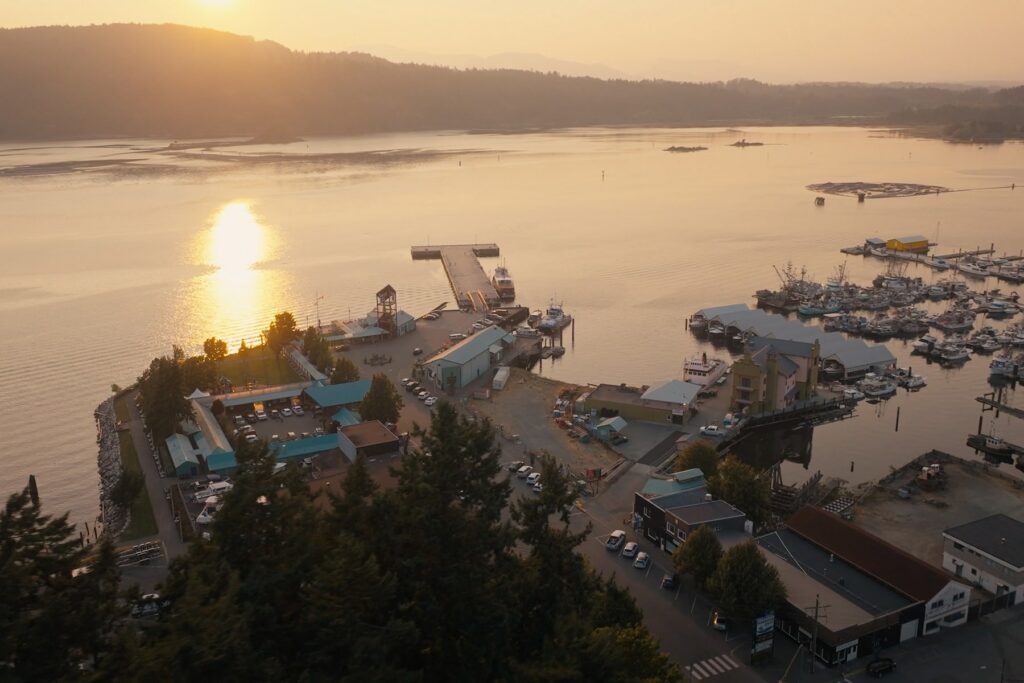
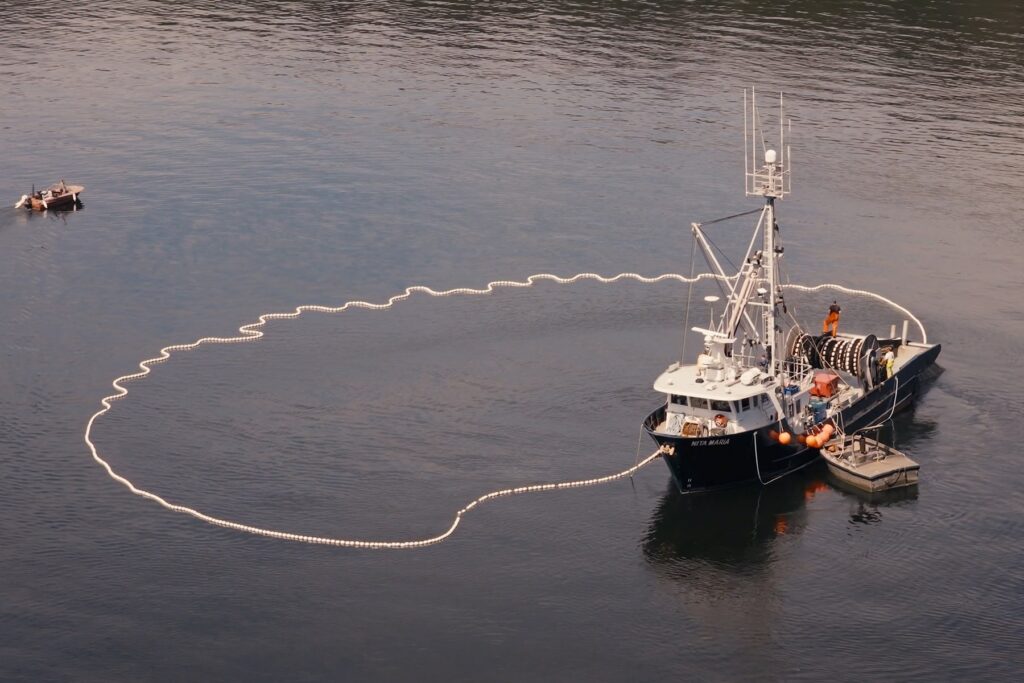
At the end of Vancouver Island’s longest inlet lies the town of Port Alberni, a once-booming mill town on the unceded territory of the Tseshath and Hupacasath.
The rivers that come out of this inlet are fed by two large freshwater lakes surrounded by mountains.
The geography plays a critical role in the success of the fish stocks, giving managers the ability to target only the fish returning to the system and allowing the fish to reach a safe resting place after only a short river journey.
These geographic advantages are huge, but there is another gift this place has—the ability to work together.
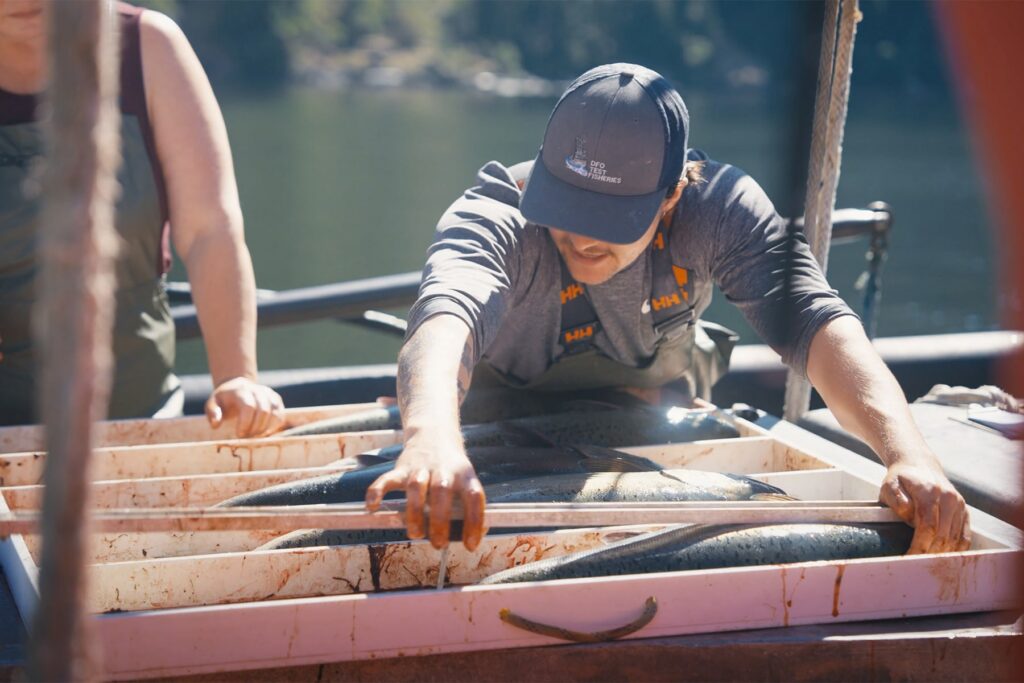
A few decades ago, the various fishing sectors were at each other’s throats, caught in a cycle of scarcity thinking, blame, and sometimes violence.
A handful of leaders from the commercial, recreational, and First Nations fishing sectors came together to form the first Salmon Roundtable, where they could work together to manage the fisheries.
What’s emerged over the years is a system of management built on understanding, compromise, and real relationships.
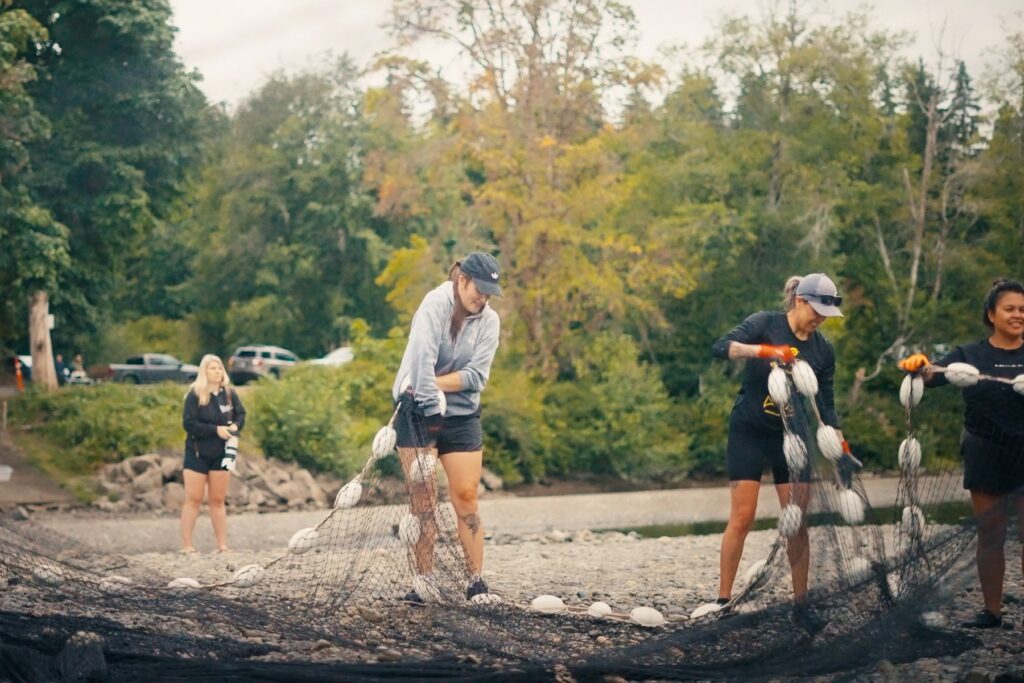
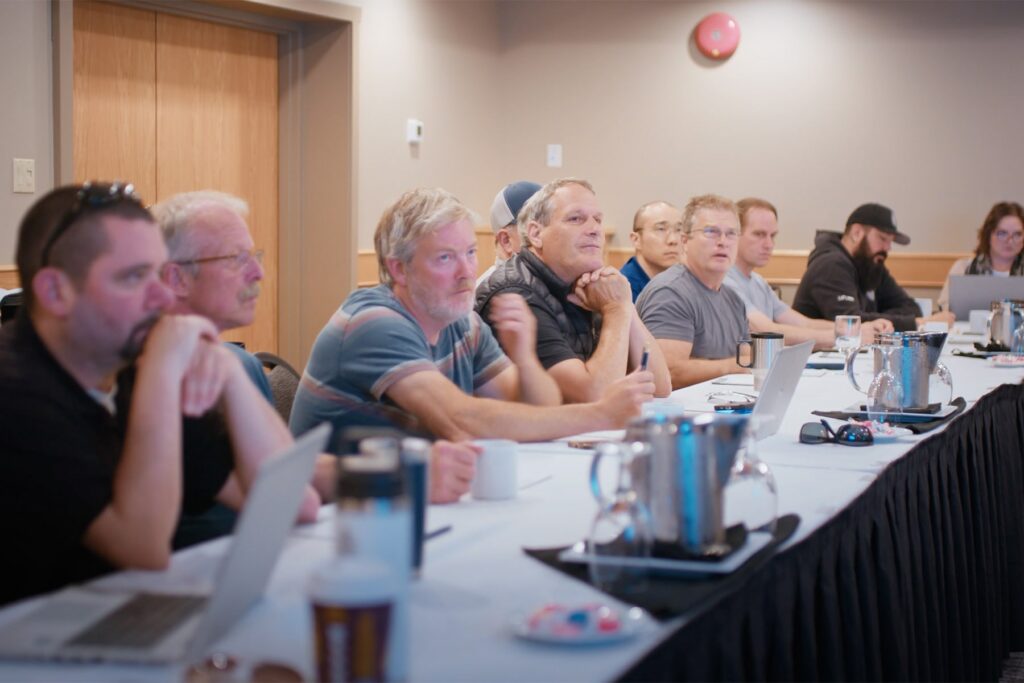
The power of the Roundtable lies in the ability for the sectors to work together, all making concessions when needed for the long-term sustainability of fish.
Last summer, when low snow levels and high water temperatures threatened the Sproat sockeye run, Roundtable members shut down or reduced their fisheries in coordination to ensure enough fish could pass into the lake.
When challenges are presented and fish become scarce, having a dedicated venue to collectively manage allows for decisions to be made in the long-term interest of everyone.