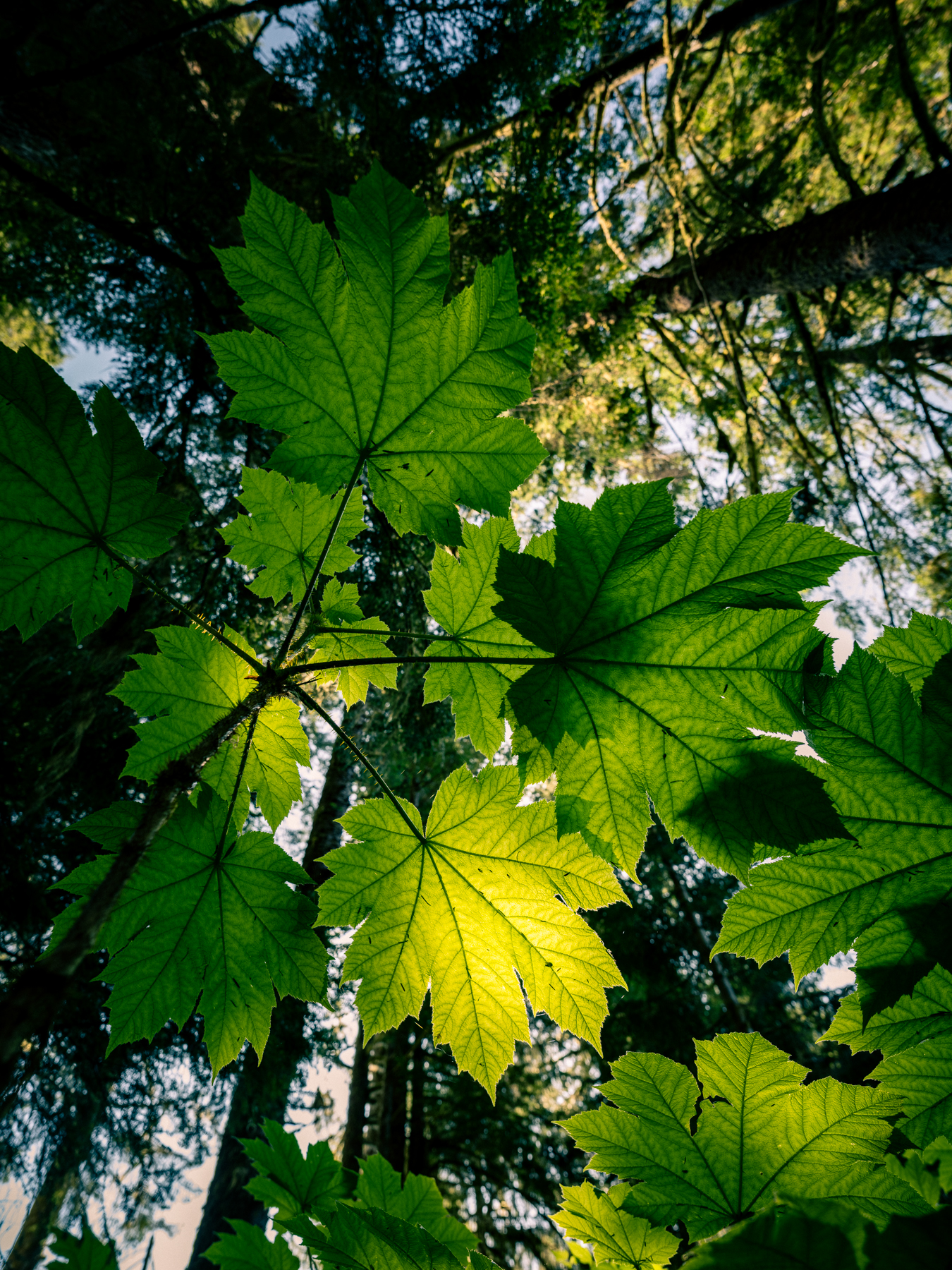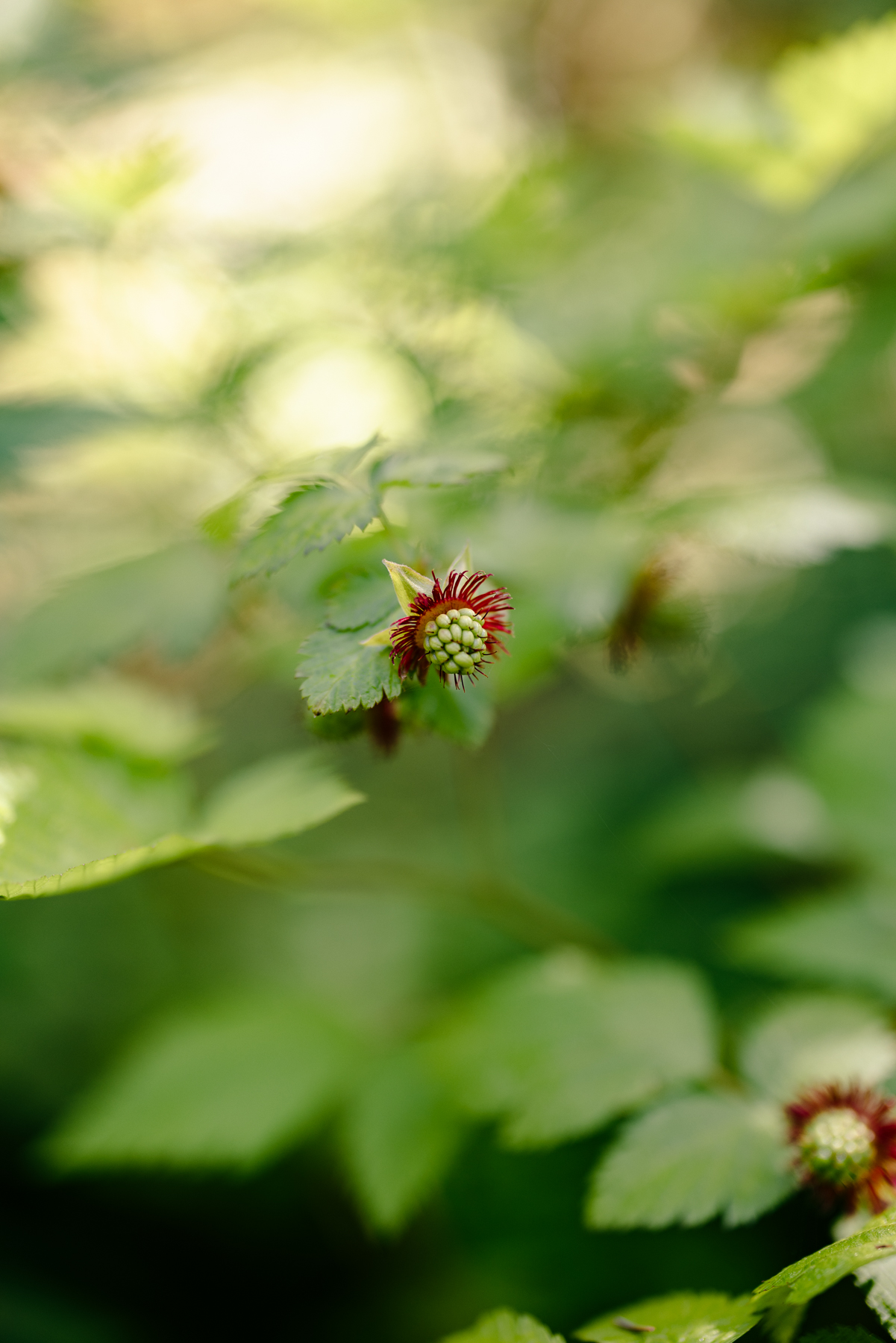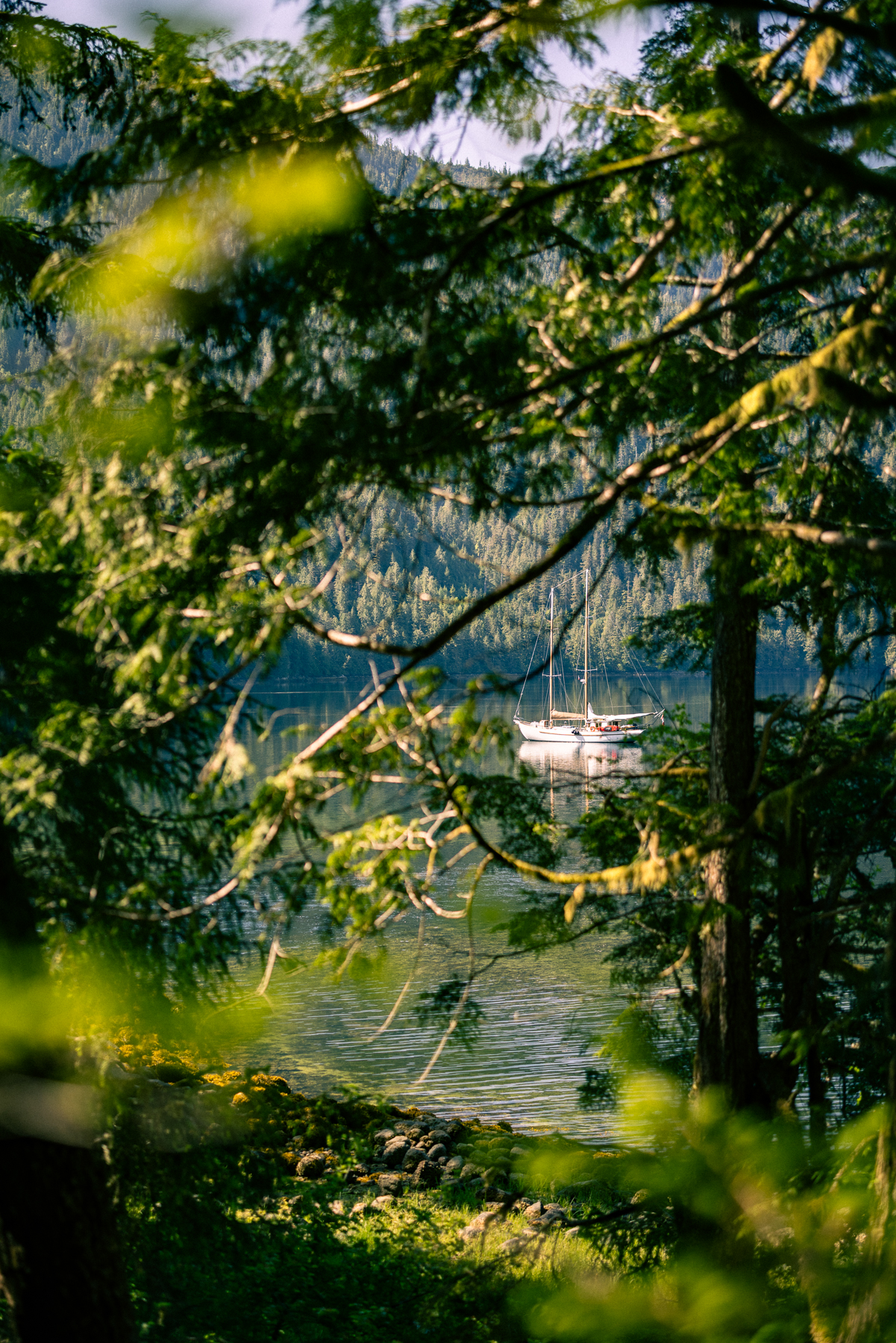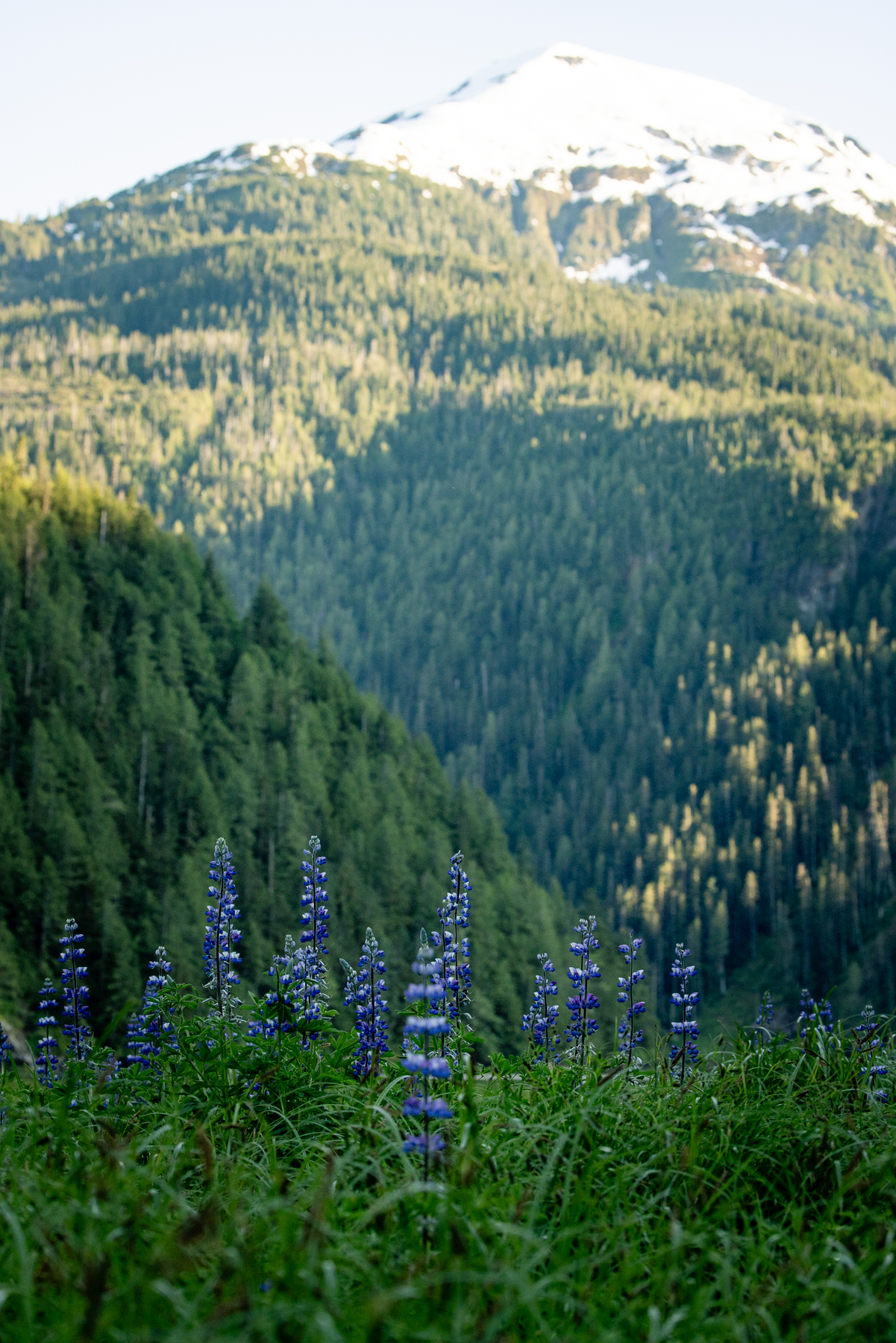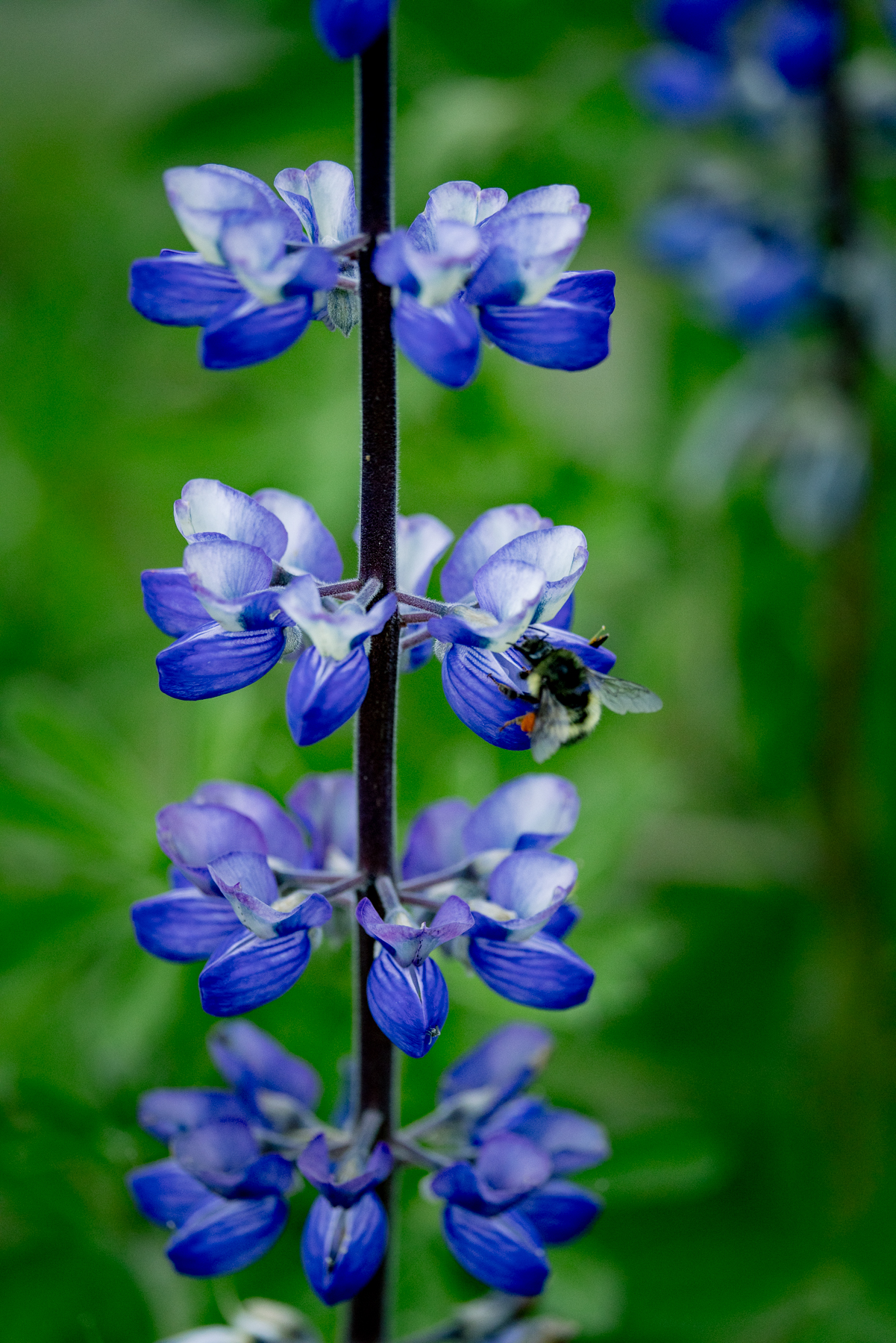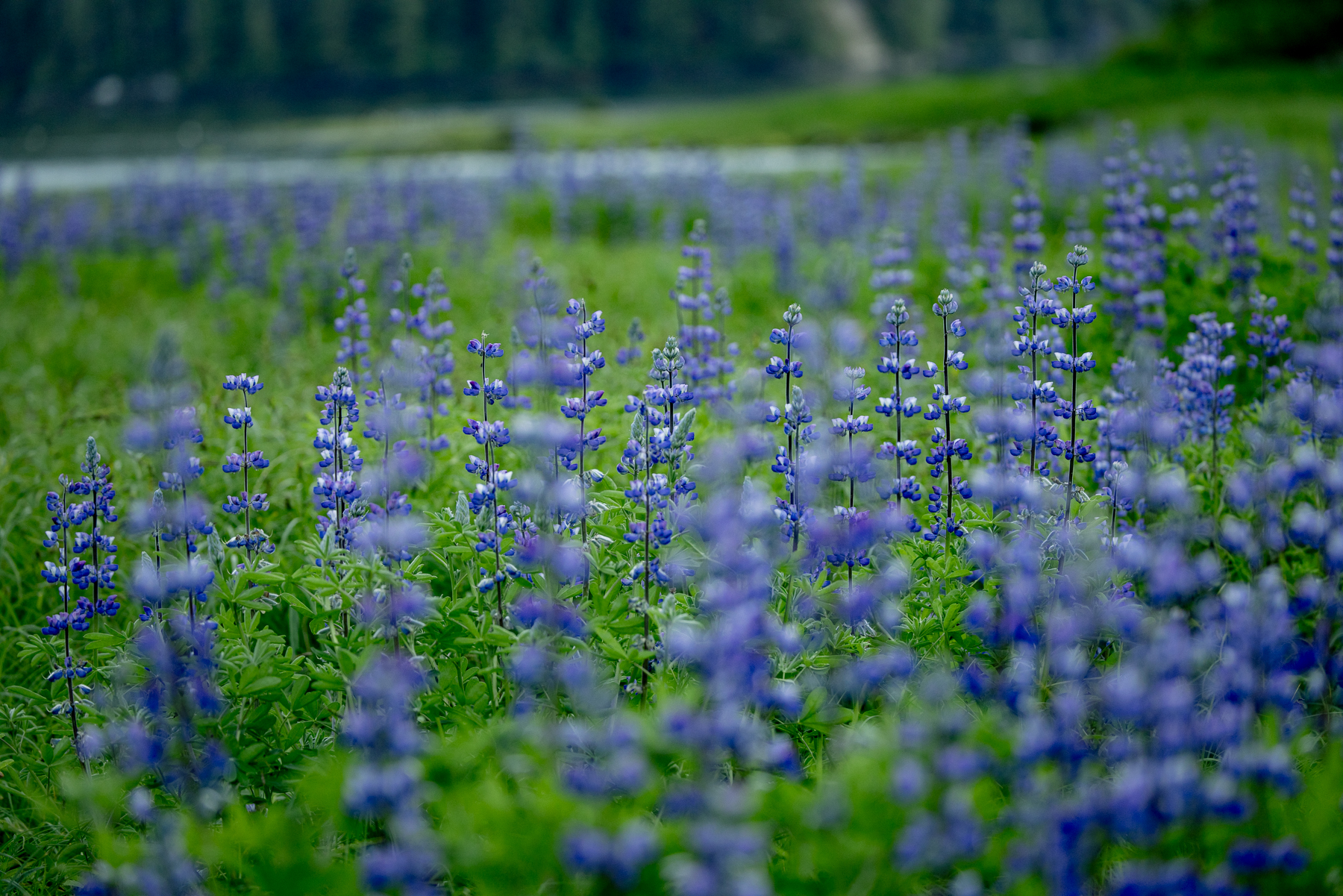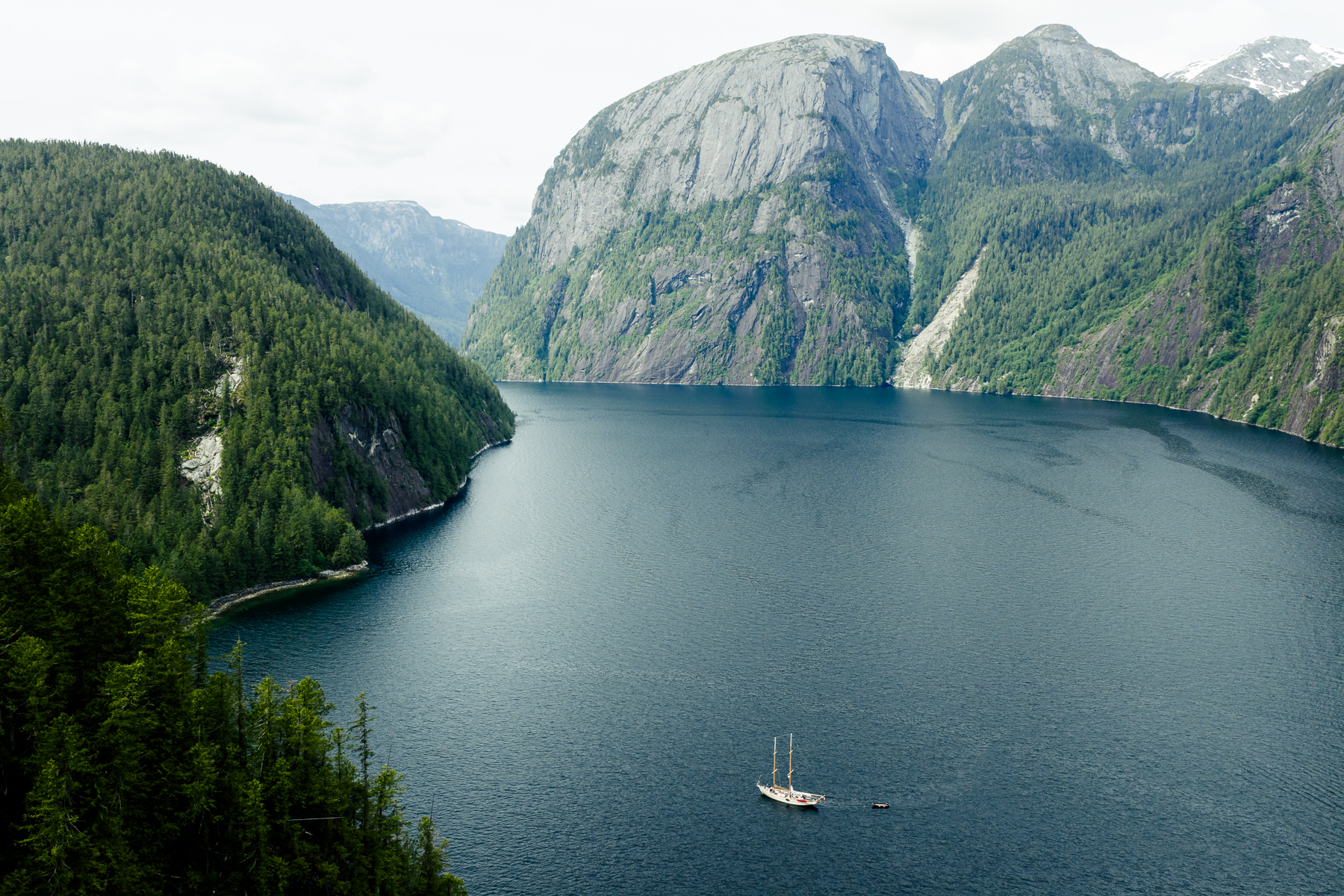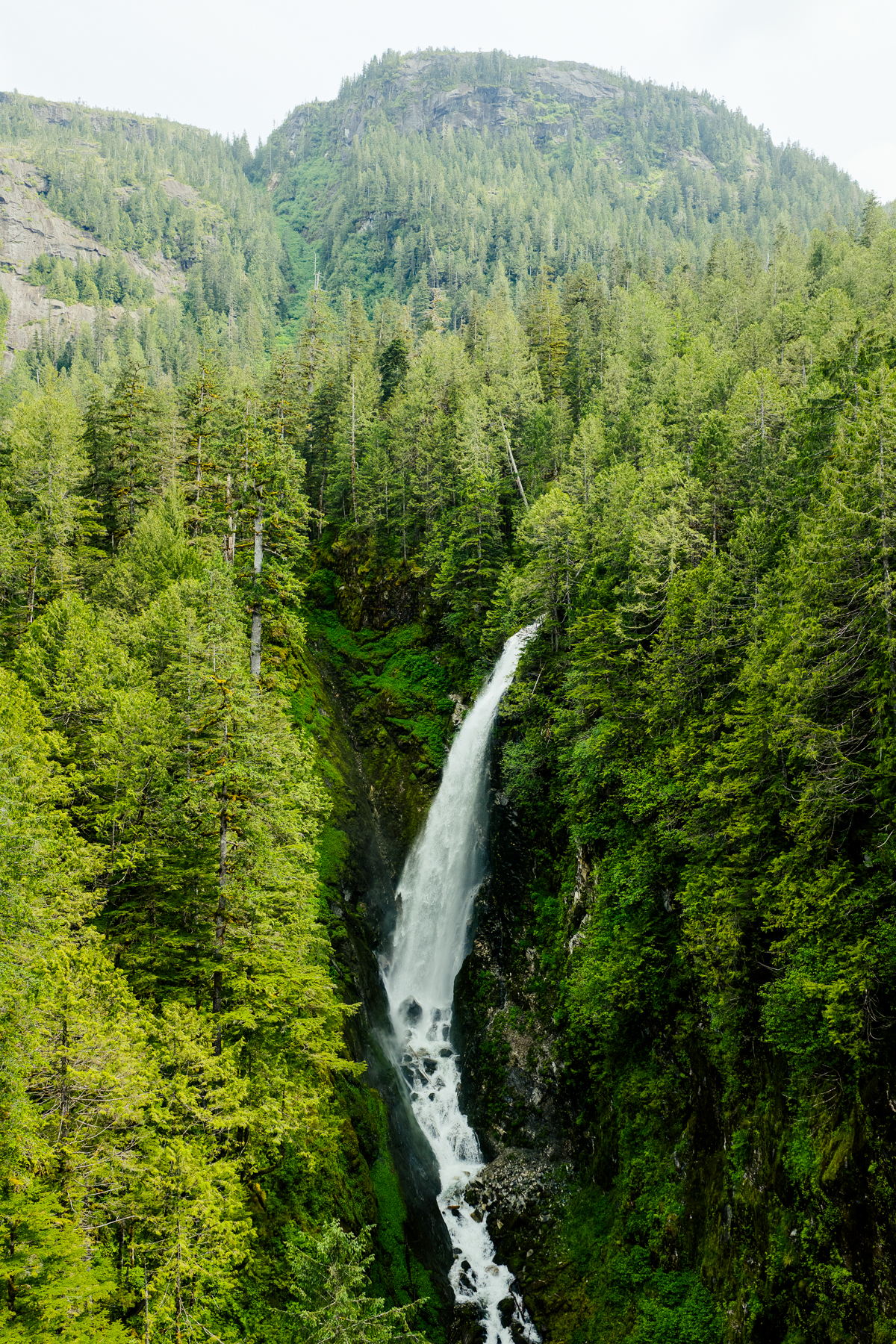
The following is a photographic essay captured during a sailing expedition along British Columbia’s central coast in the spring of 2025. Exploring remote inlets and observing grizzly bears, birds, and sea life, the following images trace a journey into one of the world’s last great coastal temperate rainforests. It is a record of place and a meditation on the connection between ocean, landscape, and the people who call this coastline home.
Our Pacific Coastal flight lands at 11 a.m. in the remote and quiet central coast village of Bella Bella, home and traditional territory of the Heiltsuk First Nation for thousands of years. For most, tourist or otherwise, this remote airstrip is where a journey into the Great Bear Rainforest both begins and ends. From here, travelers enter one of the planet’s most extraordinary ecosystems: a nearly 16-million-acre expanse stretching some 250 miles along the central coast of British Columbia north to Alaska.
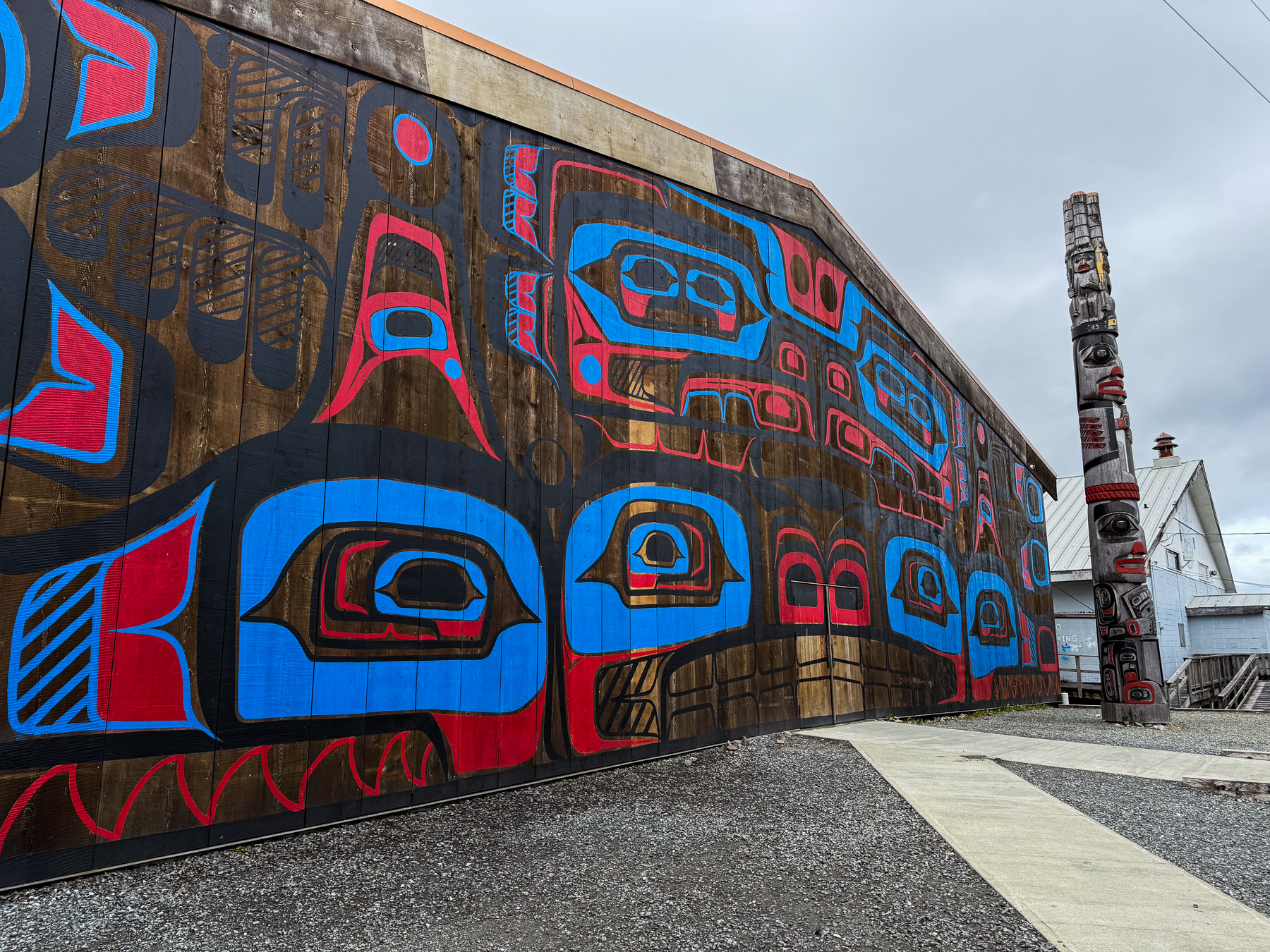
The town, like the people of Bella Bella, are modest and welcoming. A conversation at the local co-op grocery store leads to a recommendation to visit the village Big House, an impressive structure opened in 2019. The Gvákva’áus Haíɫzaqv (“House of the Heiltsuk”) contains three-story-high carved house posts that exude a supernatural aura. The feeling of being inside the hallowed Big House sets a tone for the rest of the trip.
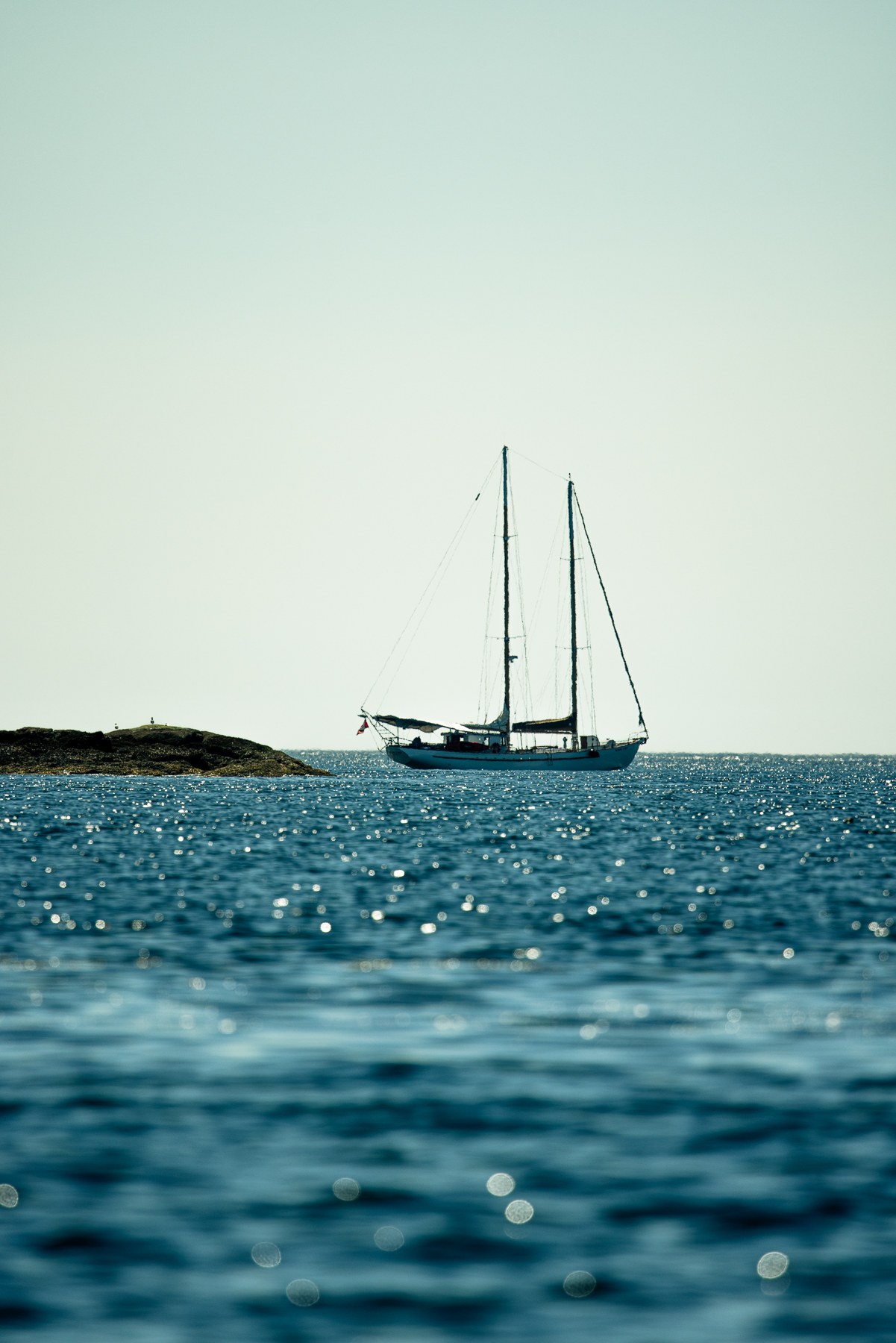
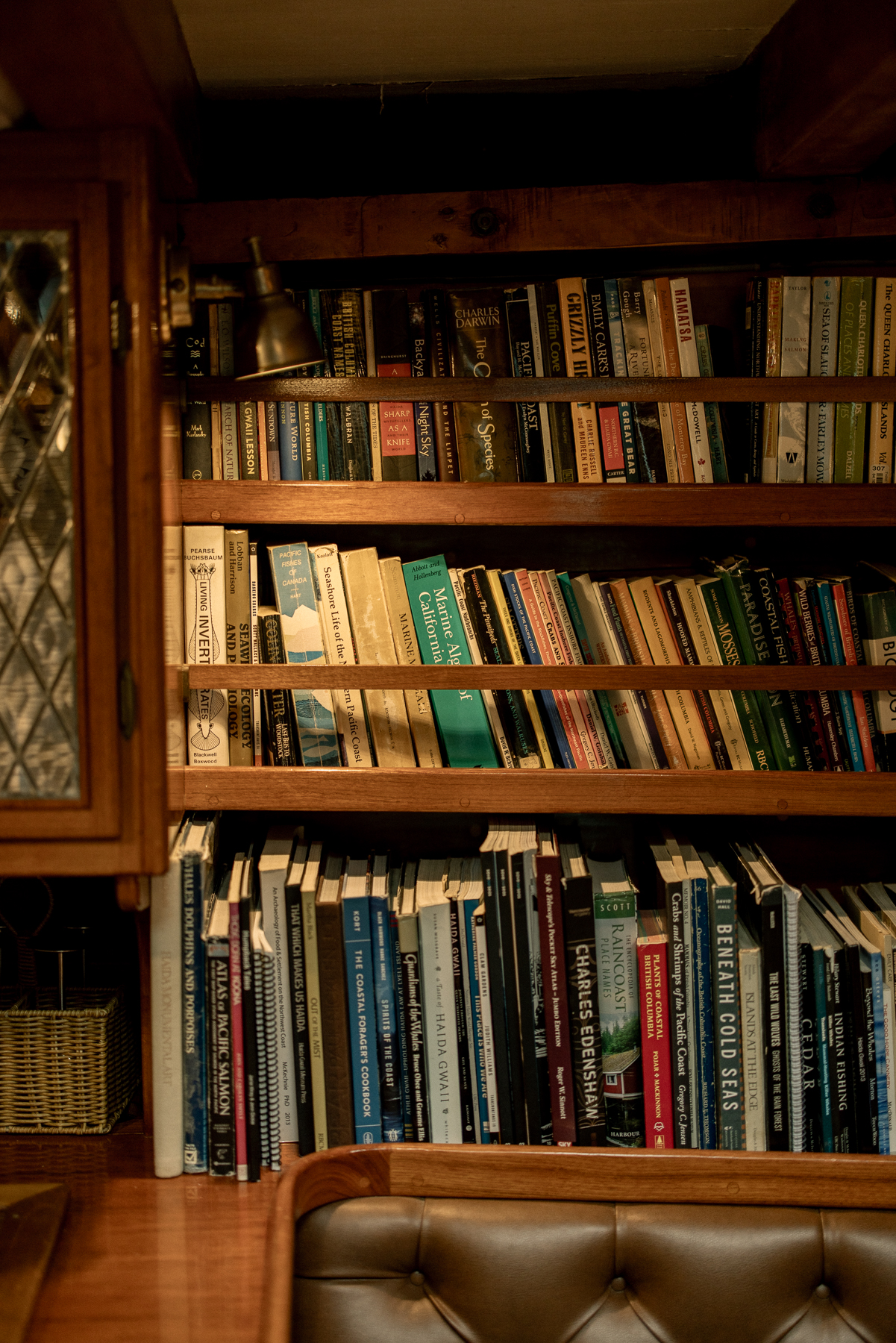
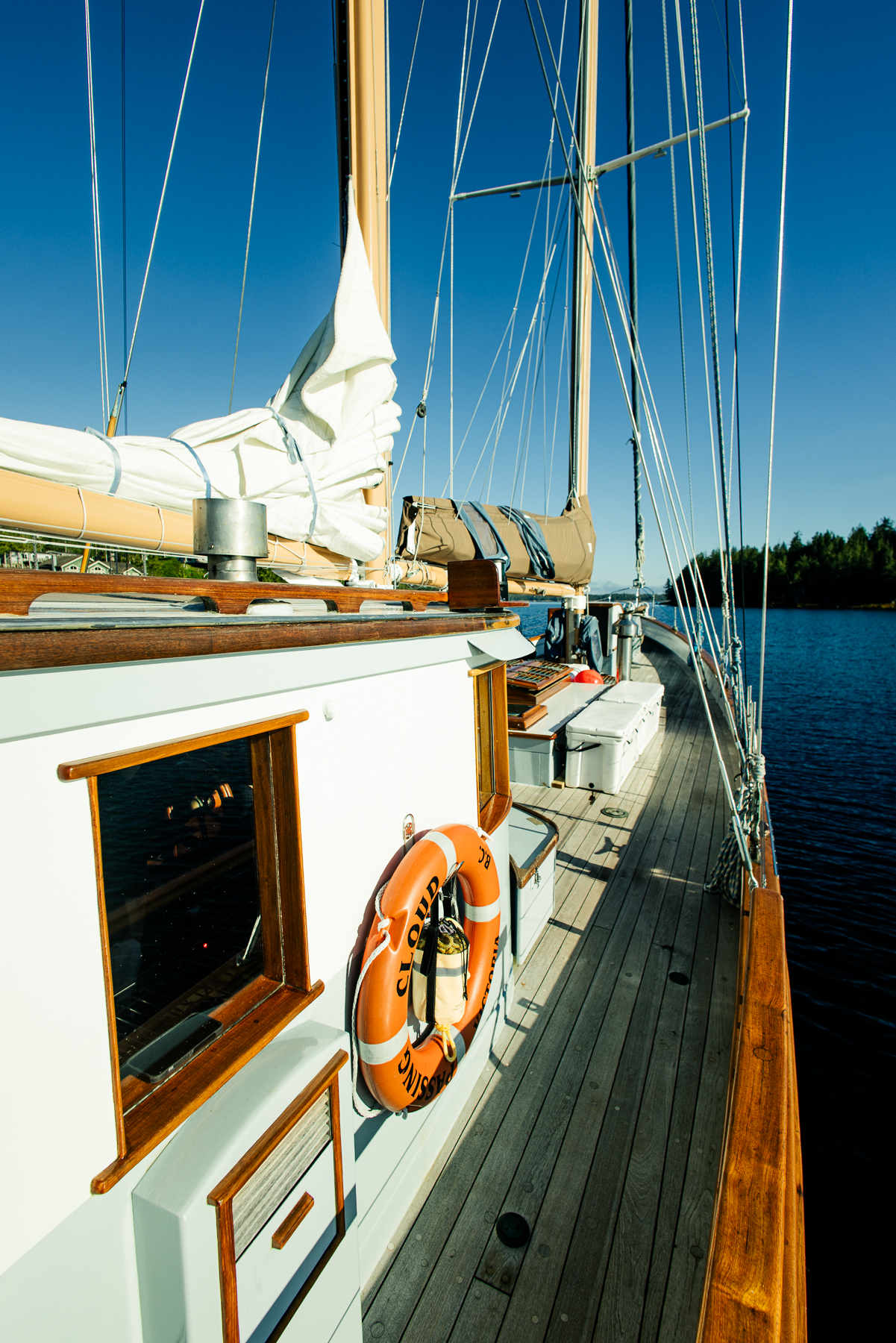
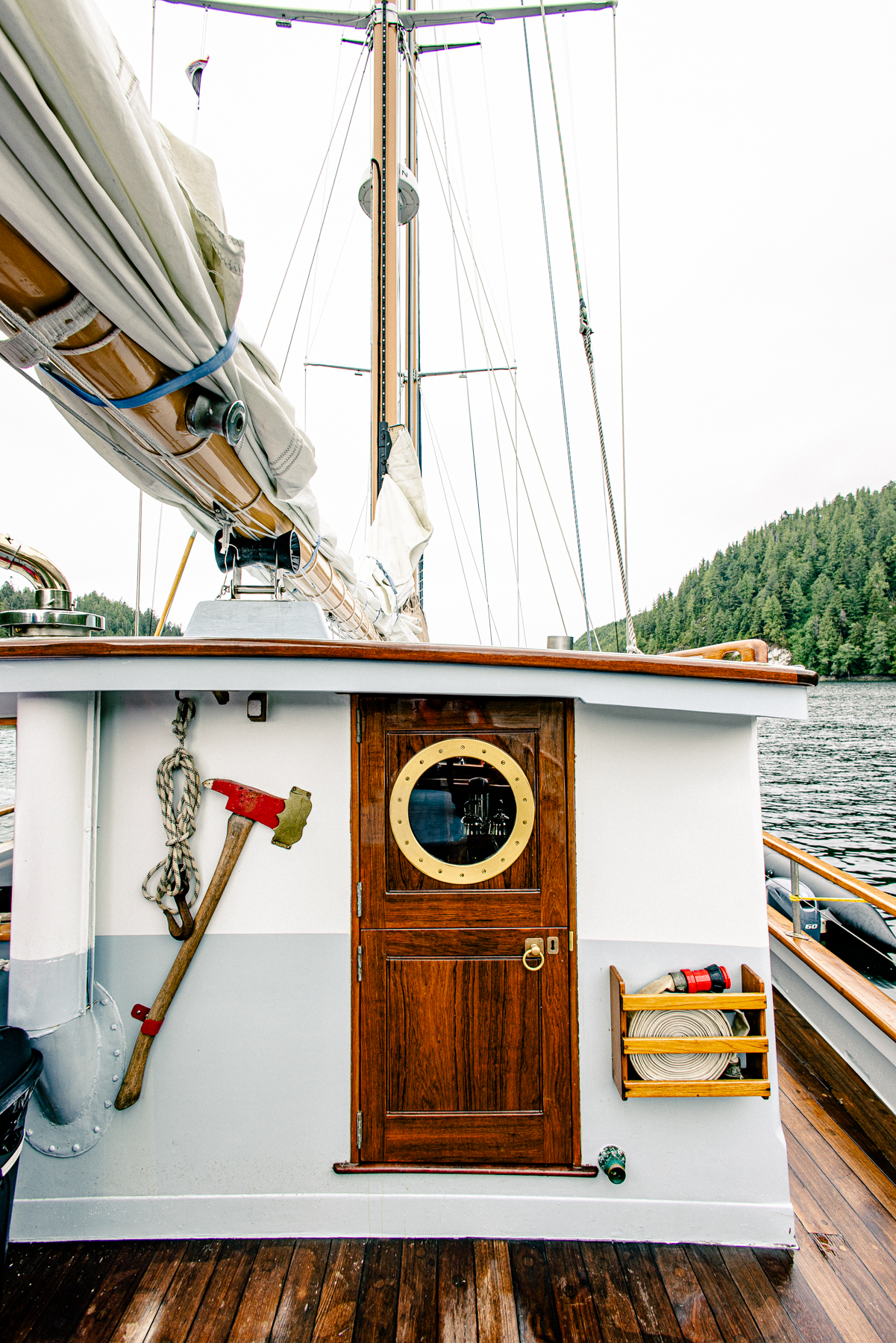
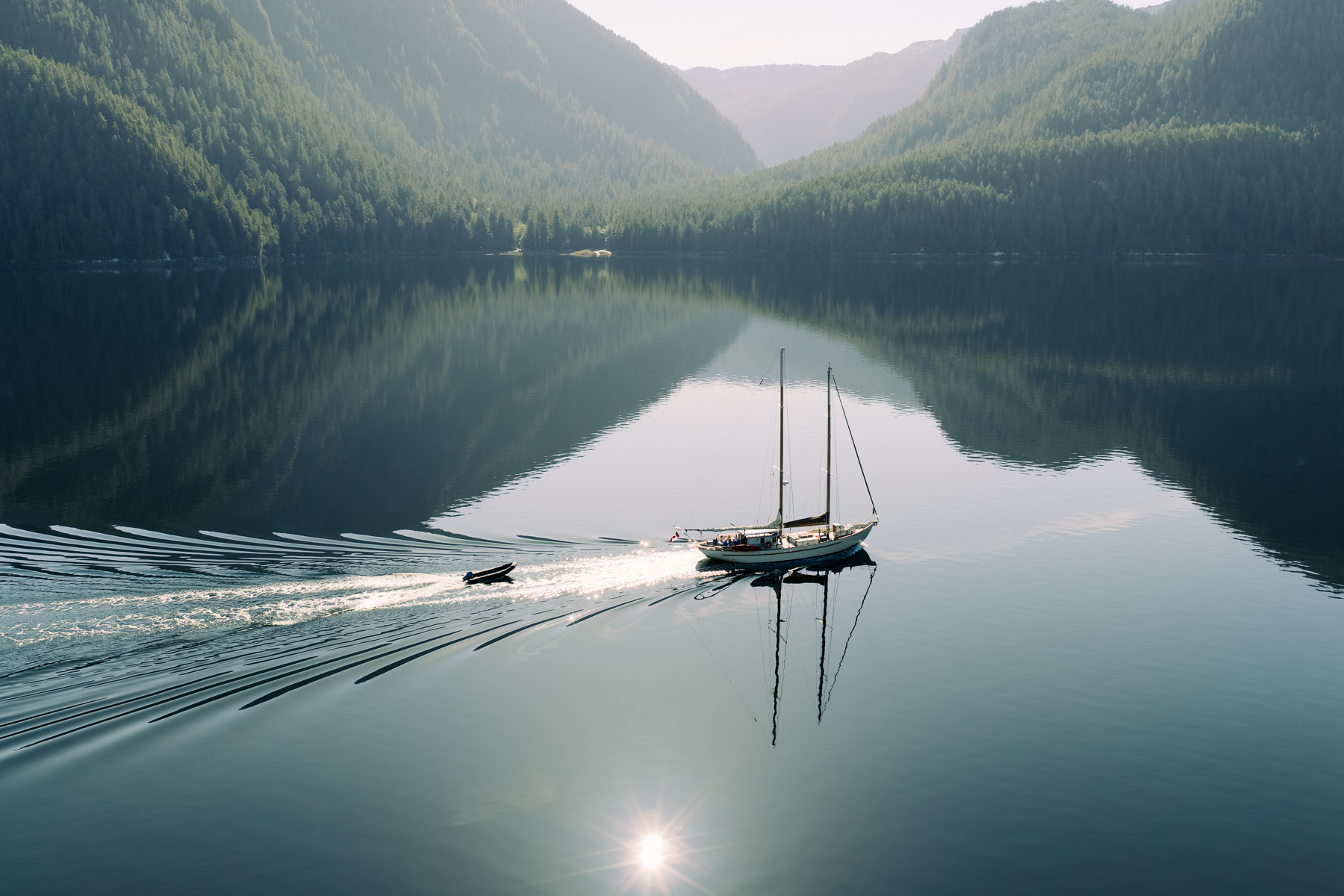
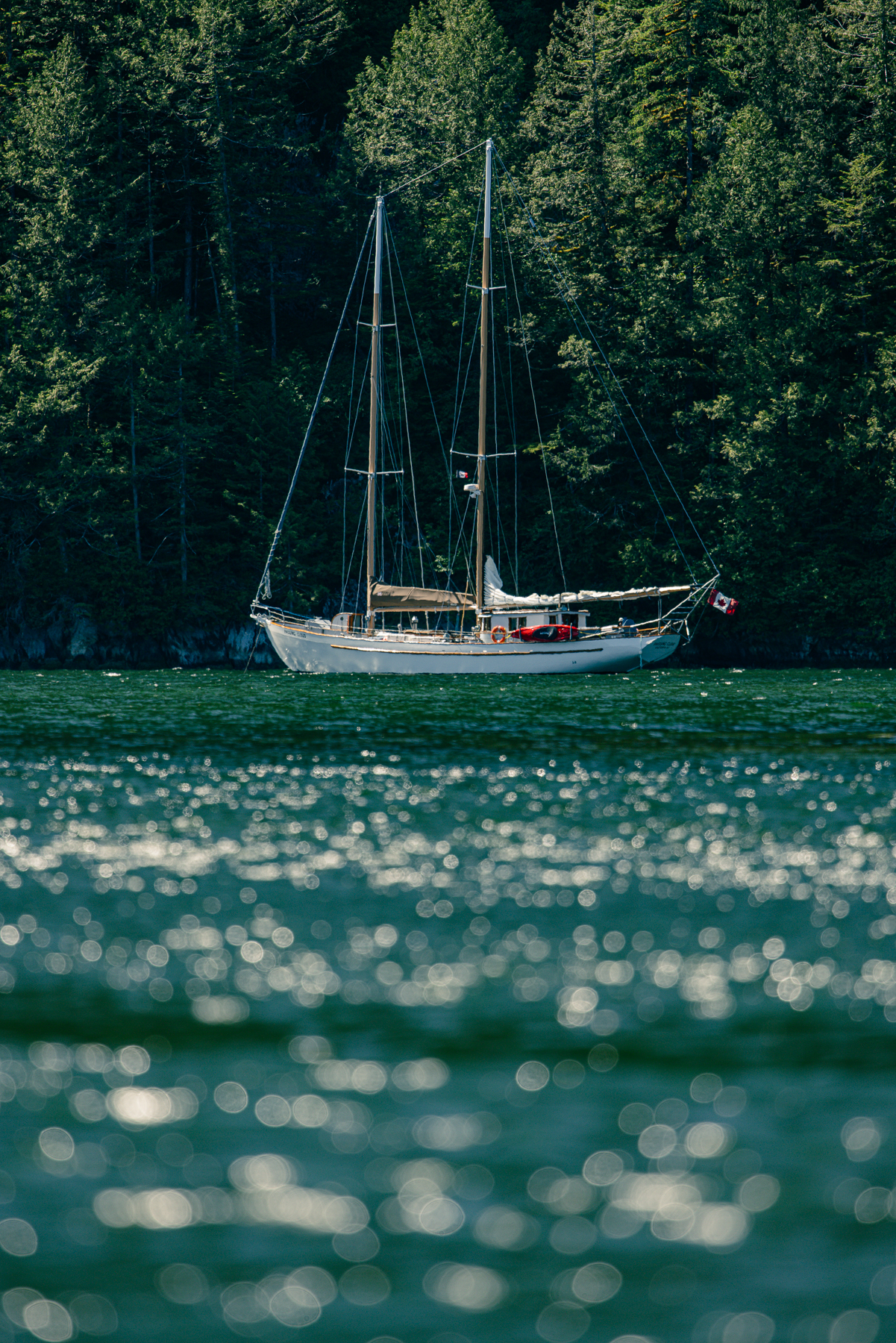
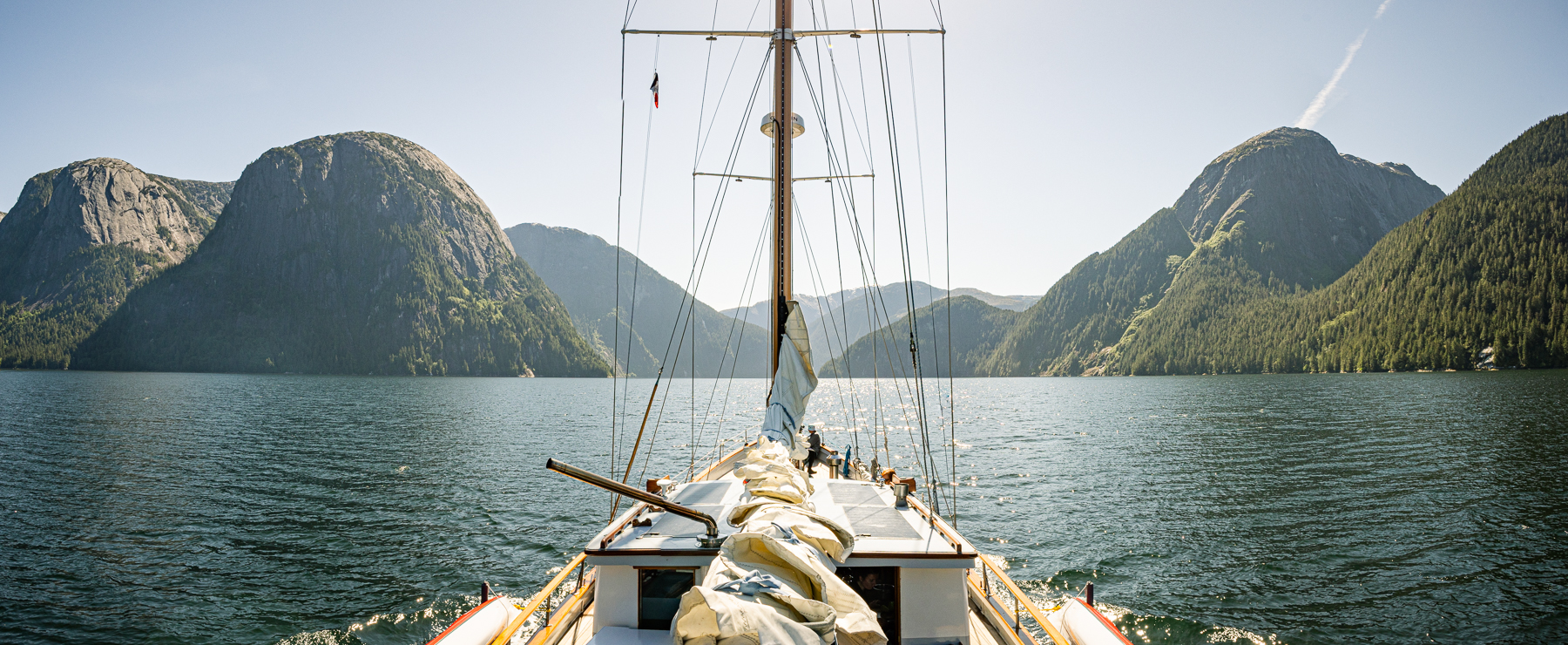
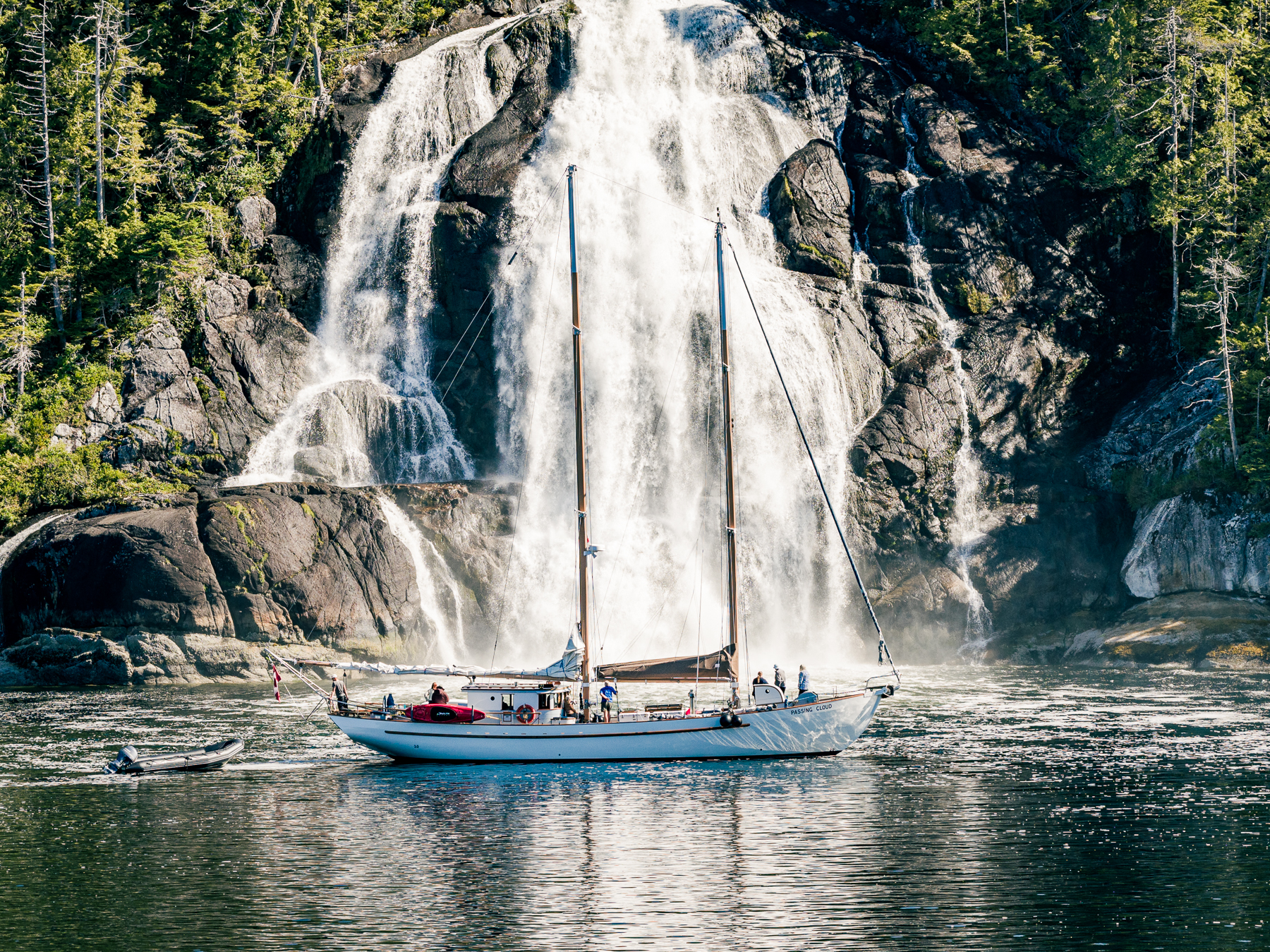
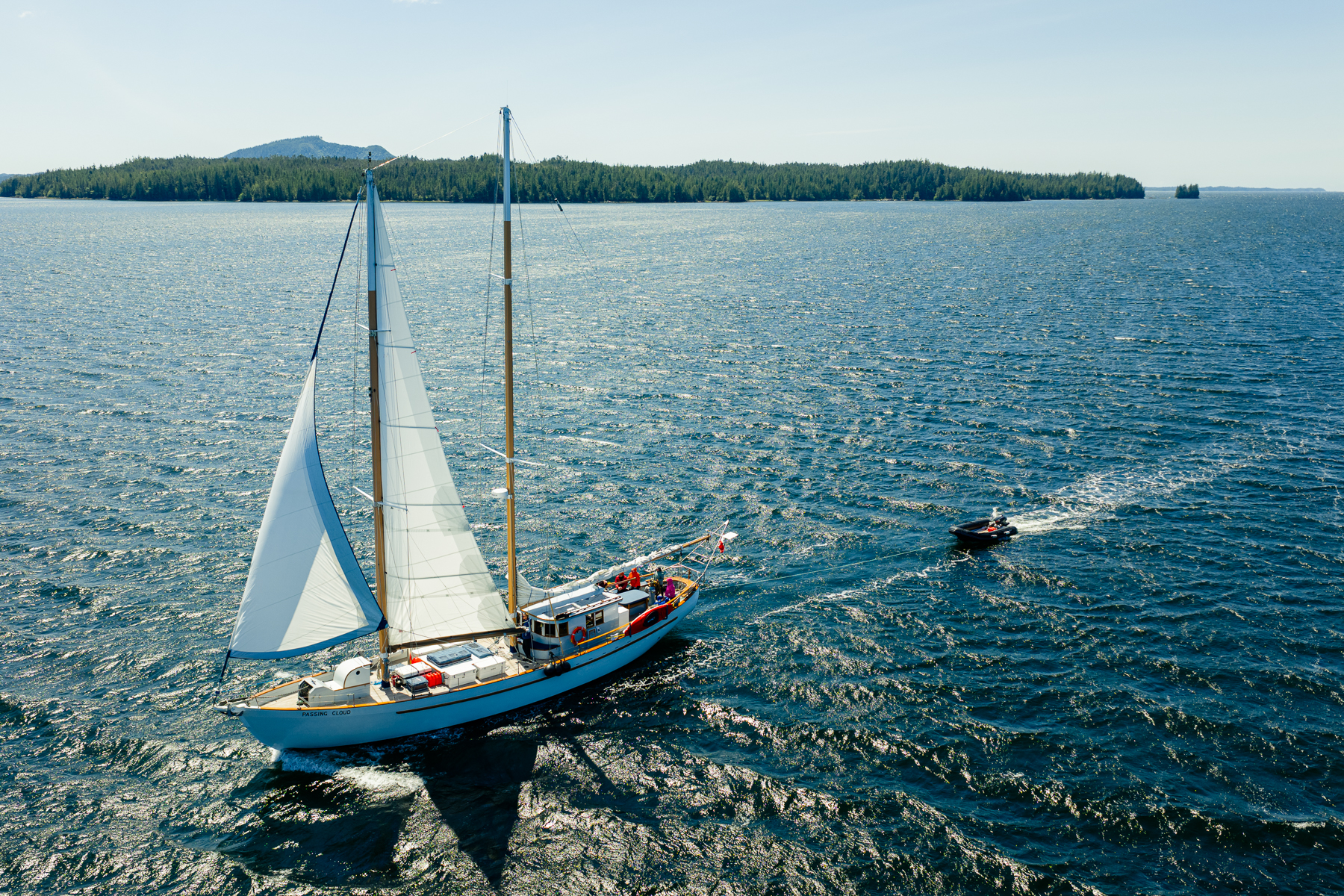
Leaving the Big House, I’m greeted at the dock by Russell Markel, owner and operator of Outer Shores Expeditions. Russ has run his sailing expedition company aboard a 70-foot wooden schooner, Passing Cloud, since 2012.
Originally a PhD marine biologist, Markel has based the entirety of his operation on a respect for local First Nations and the environment in the Great Bear and central coast. Outer Shores is one of only a few operators granted permission by the Kitasoo-Xai’ais, Gitga’at, and Heiltsuik First Nations to visit the most sacred and sensitive grizzly bear sanctuaries within the Great Bear.
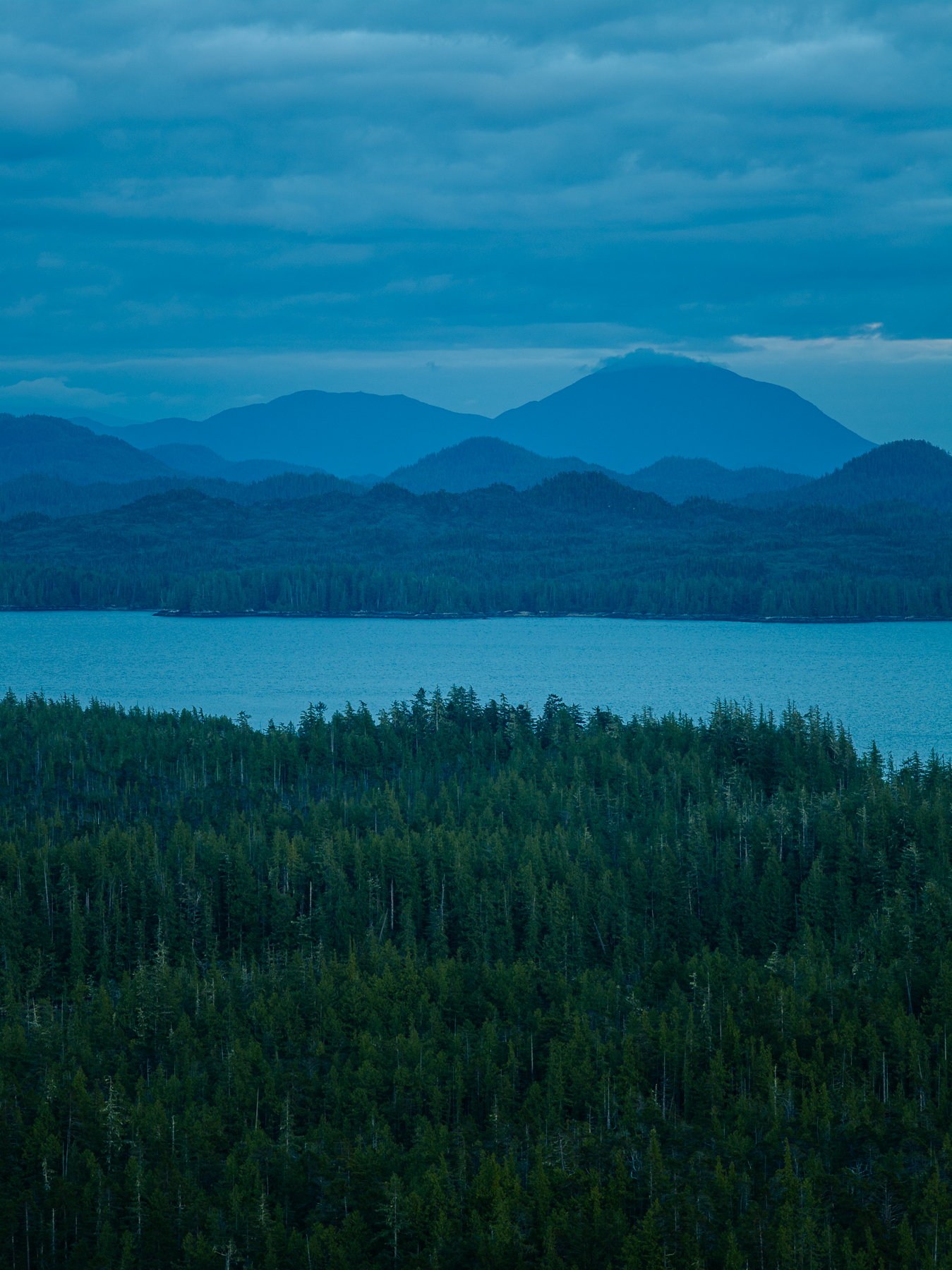
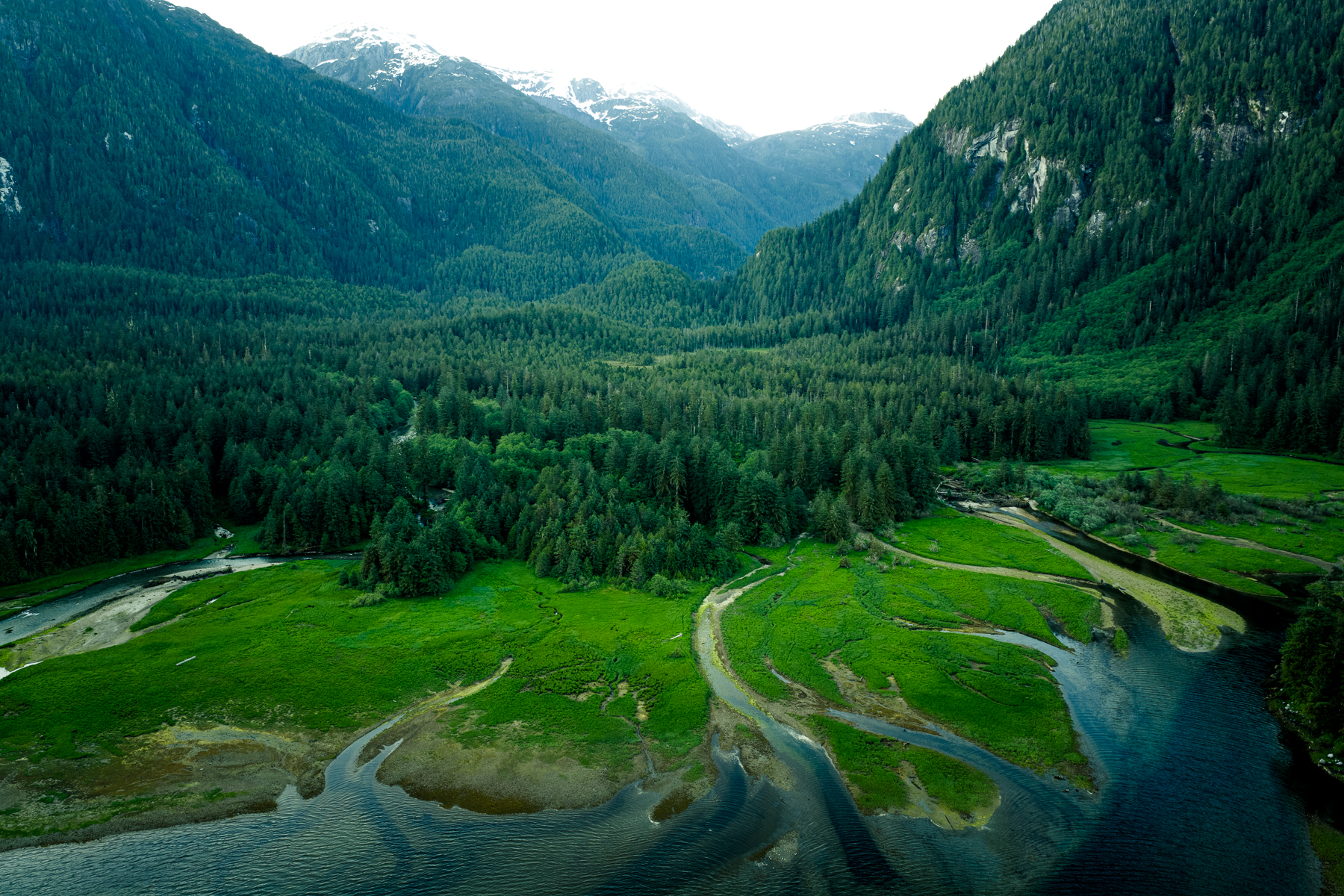
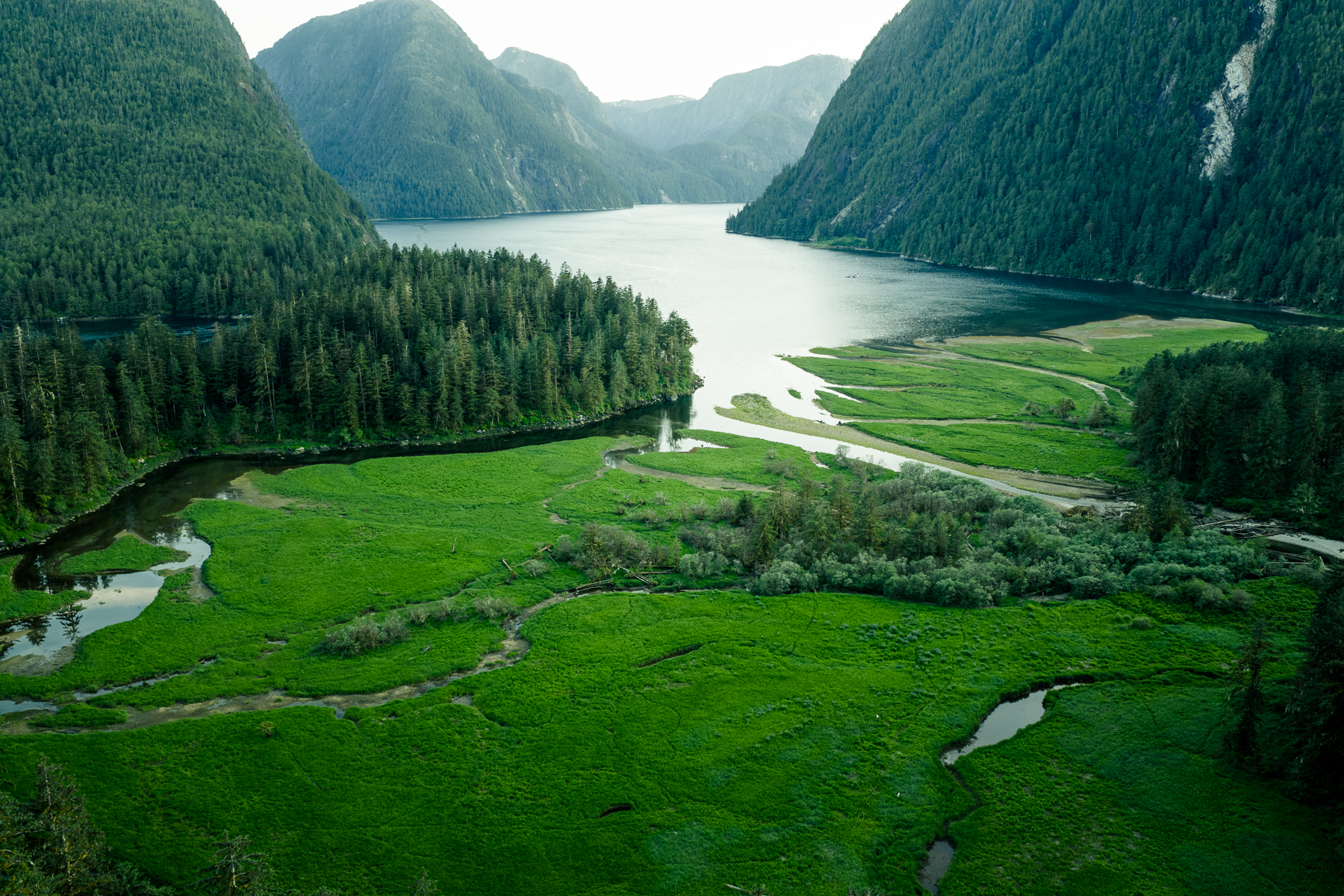
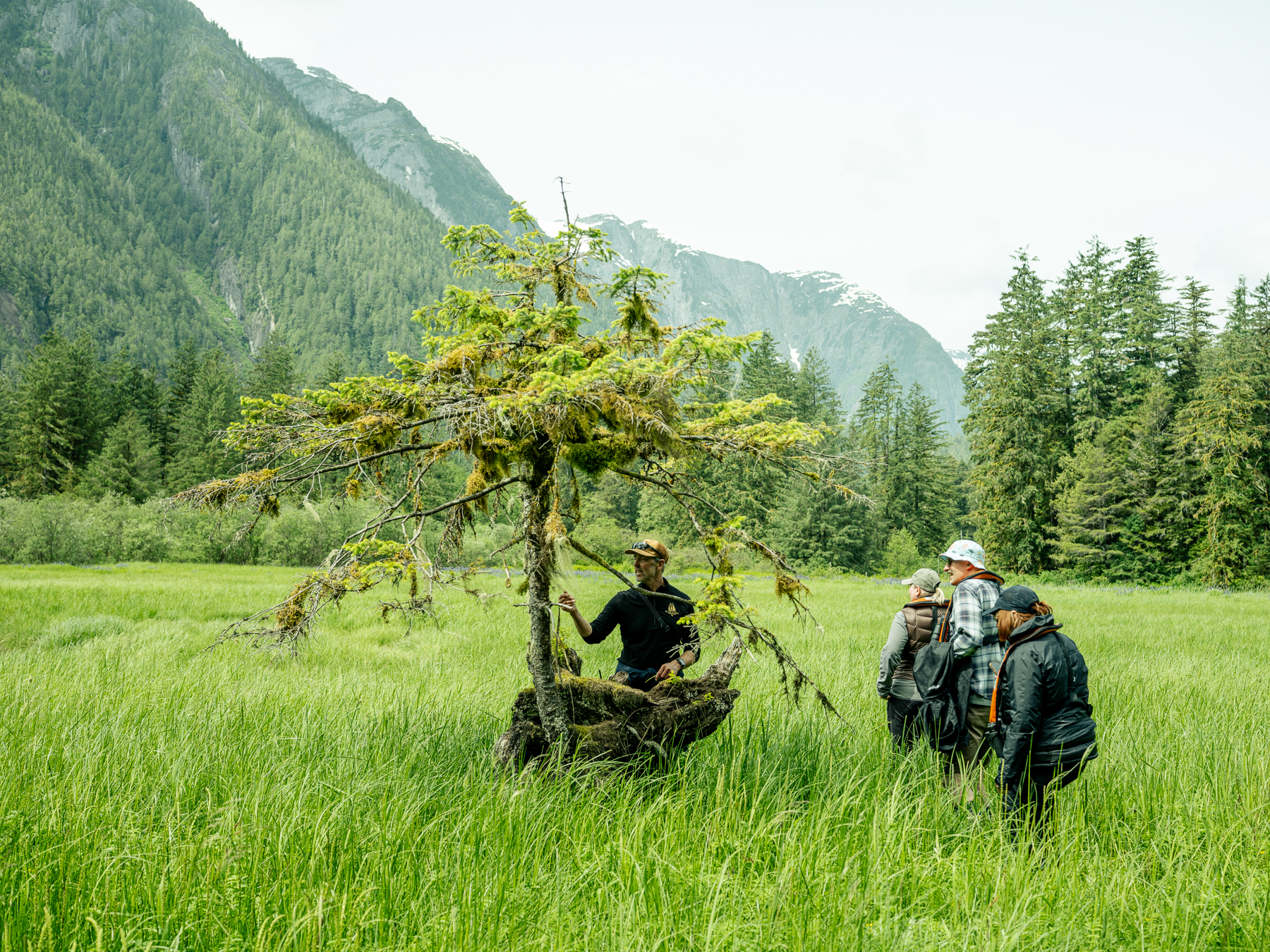
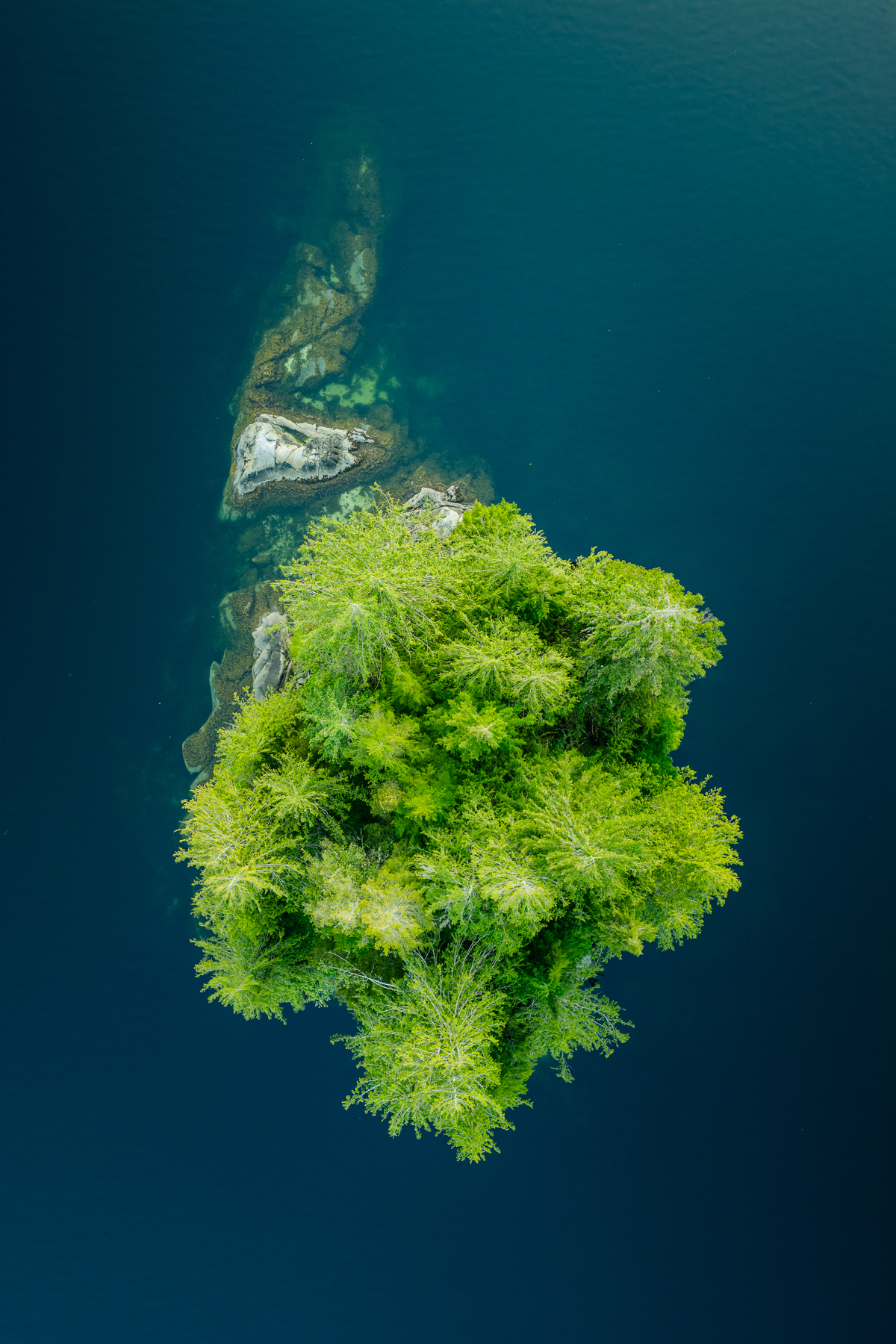
The Great Bear is the largest intact coastal temperate rainforest left on earth. Towering cedars and hemlocks rise from moss-laden valleys, fiords and steep cliffs pierce the ocean to unknown depths, and rich estuaries nurture grizzly bears, bird life, and all five major species of salmon.
It is a place that feels ancient and untouched, although not devoid of human impact.
From time immemorial over two dozen First Nations have thrived off the natural abundance of this region. If you know what you’re looking for, you can still find centuries-old culturally modified trees and fish traps dating back 5,000 years.
Admittedly, the merits of ecotourism or sustainable tourism can sometimes be suspect when you’re trying to access a place like The Great Bear. There’s the guest and crew flights, shipping supplies and gear, and a laundry list of everything else that’s required to run an expedition in one of the most remote locations on the planet. There may always be, by nature, some impact by humans wanting to experience the Great Bear. Russ understands this, and so has done his best to shape the company around a model that’s more in line with his values as a leading scientist and naturalist on the coast.
One example of this is the Outer Shores OCEaNS Fund. Launched earlier this year, this fund is a new sustainability initiative that channels $200 per guest directly into ocean conservation, science, and education along British Columbia’s coast. One hundred percent of all contributions are directed to funding projects such as graduate research, habitat monitoring, restoration, and community training.
The program emphasizes transparency by requiring quarterly reporting from recipients, ensuring guests can see the impact of their voyages. Beyond expedition fees, individuals can also donate directly, supporting specific projects and deepening their role in protecting marine ecosystems. Through this model, every Outer Shores journey becomes an investment in the future health of places like the Great Bear.
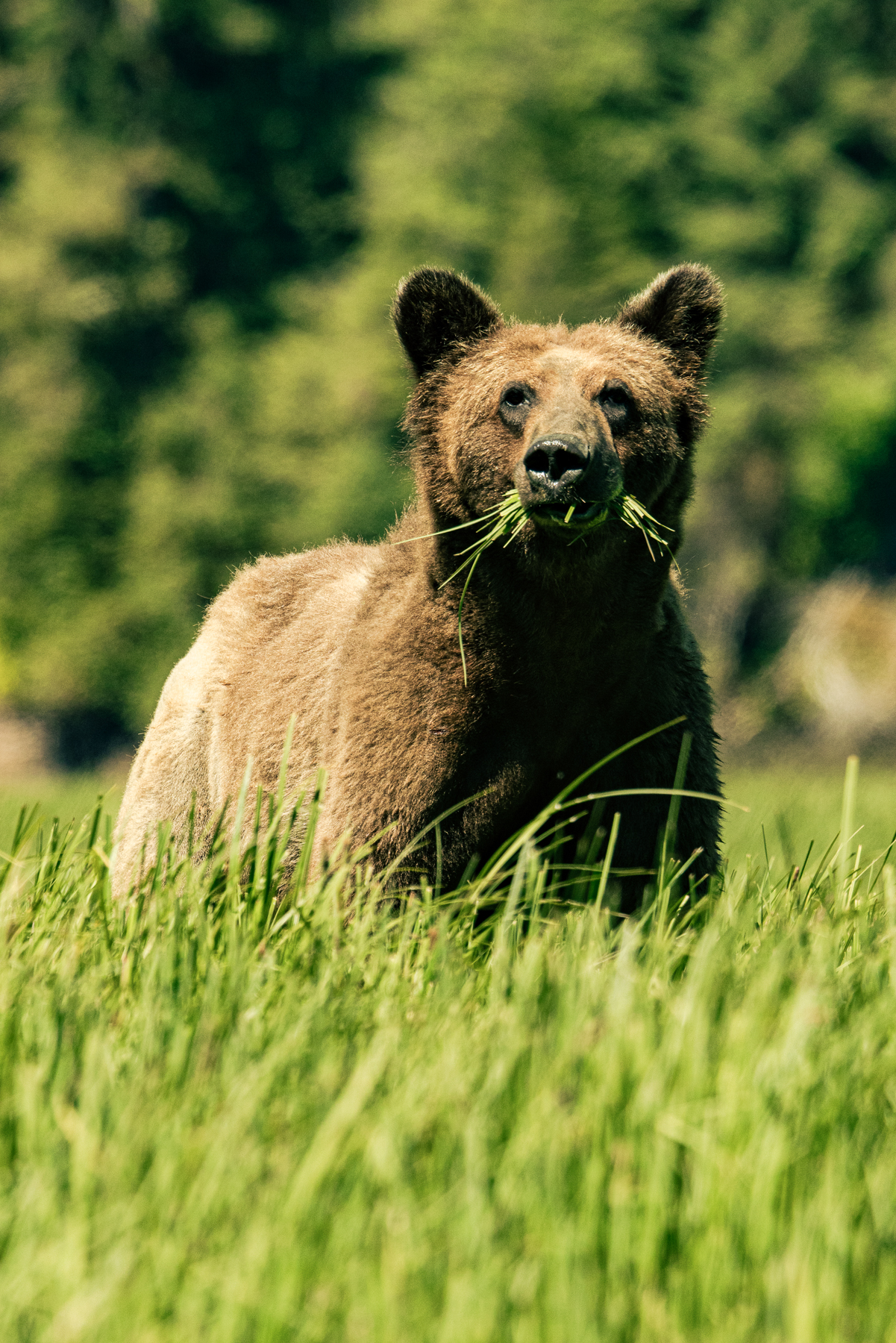
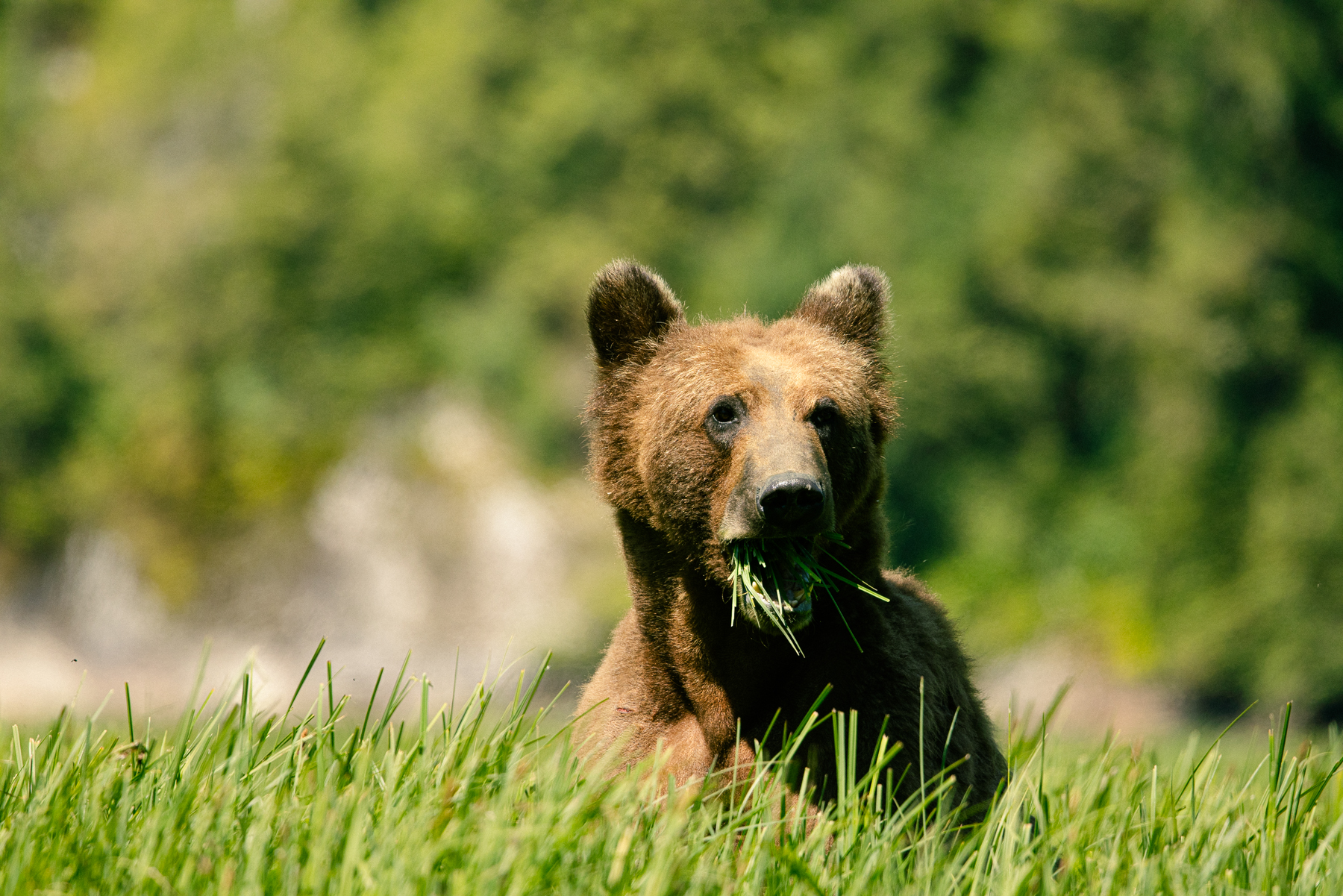
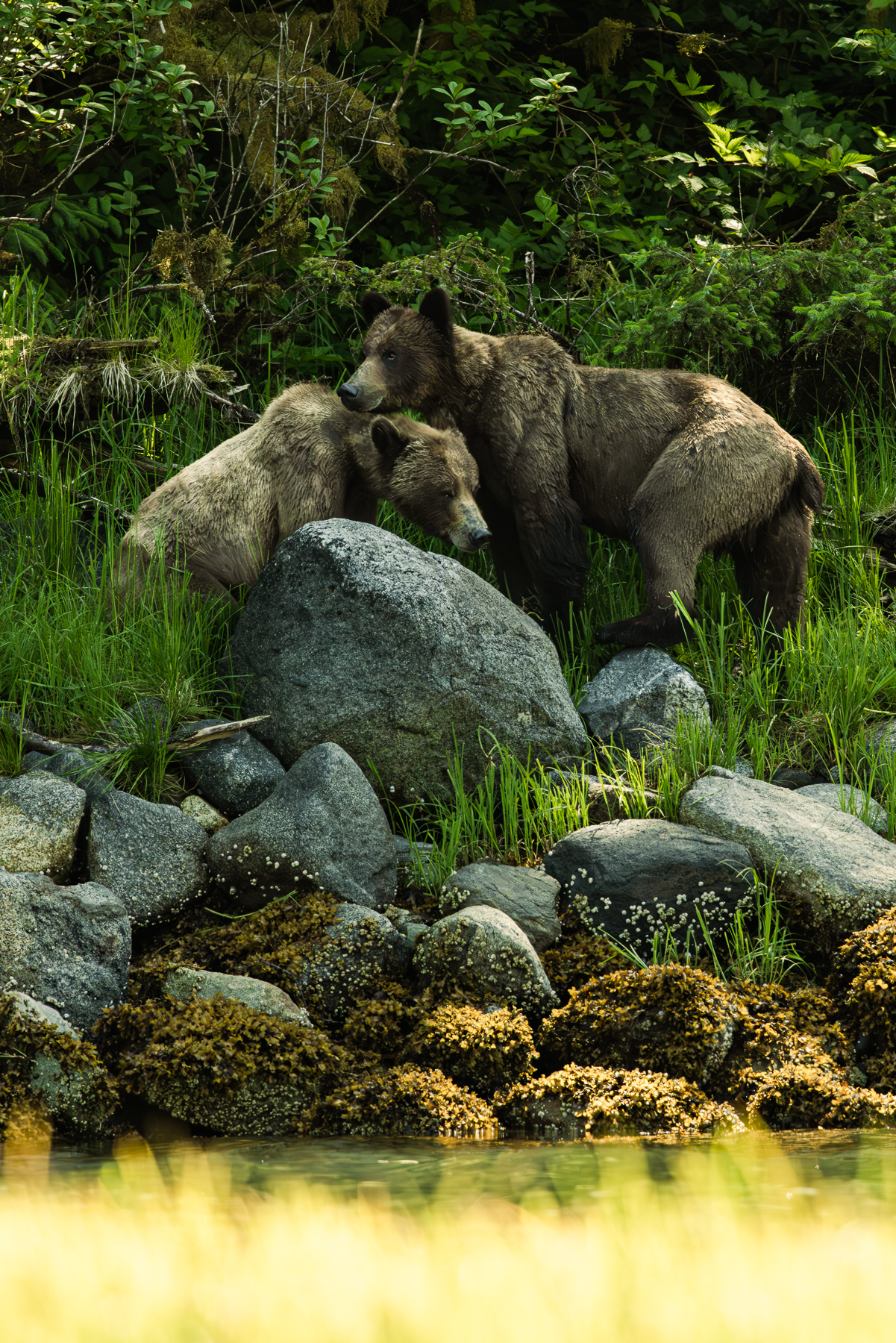
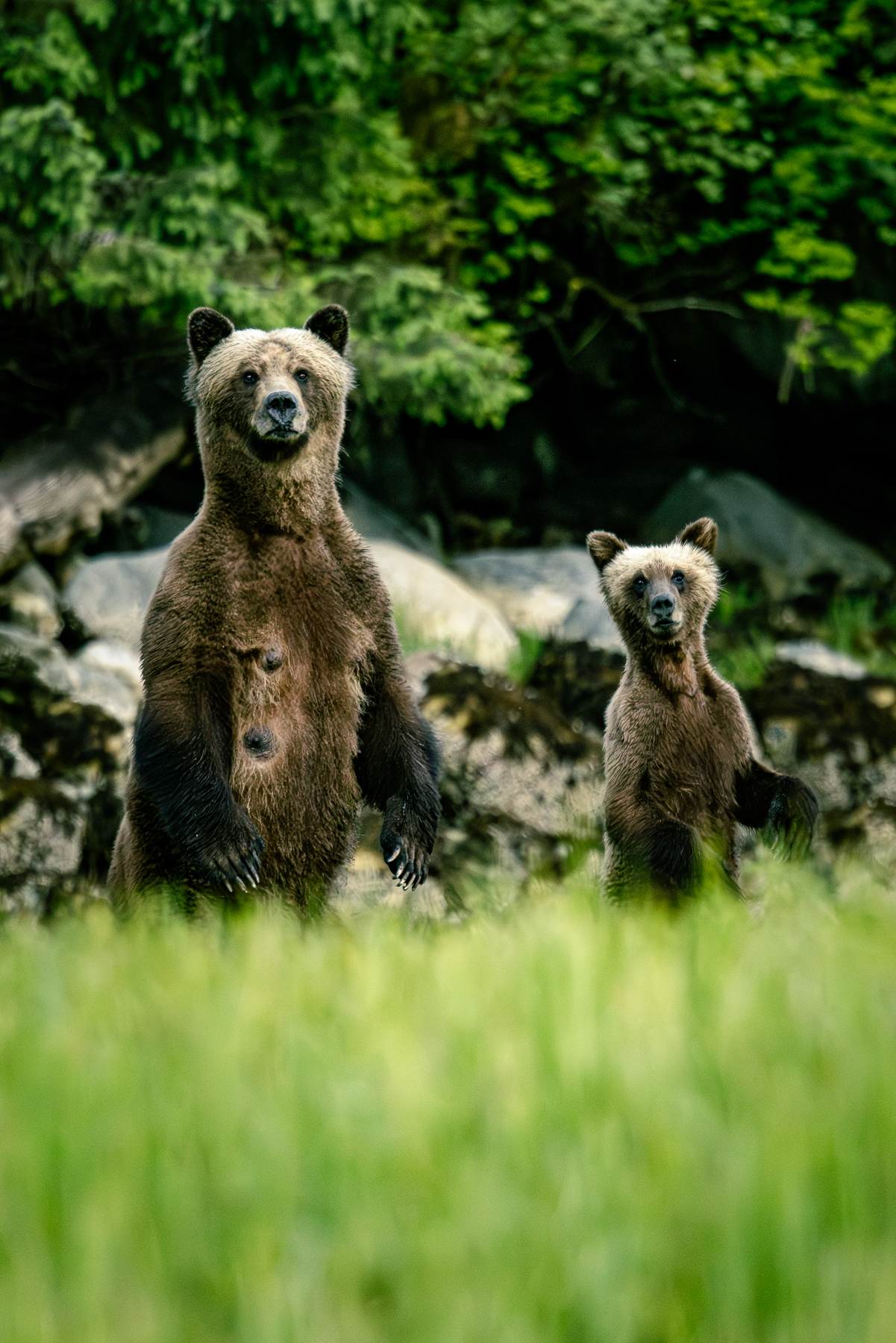
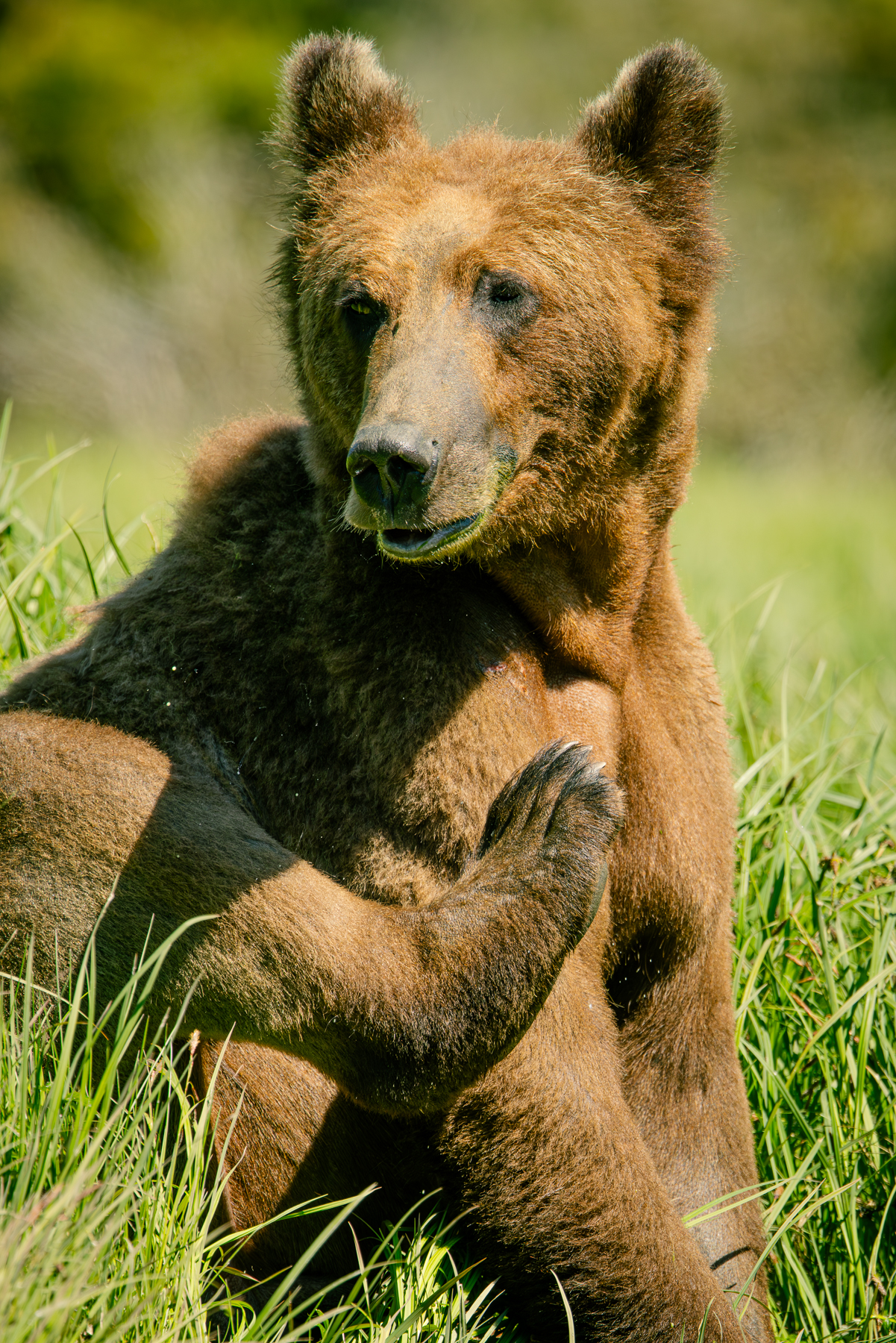
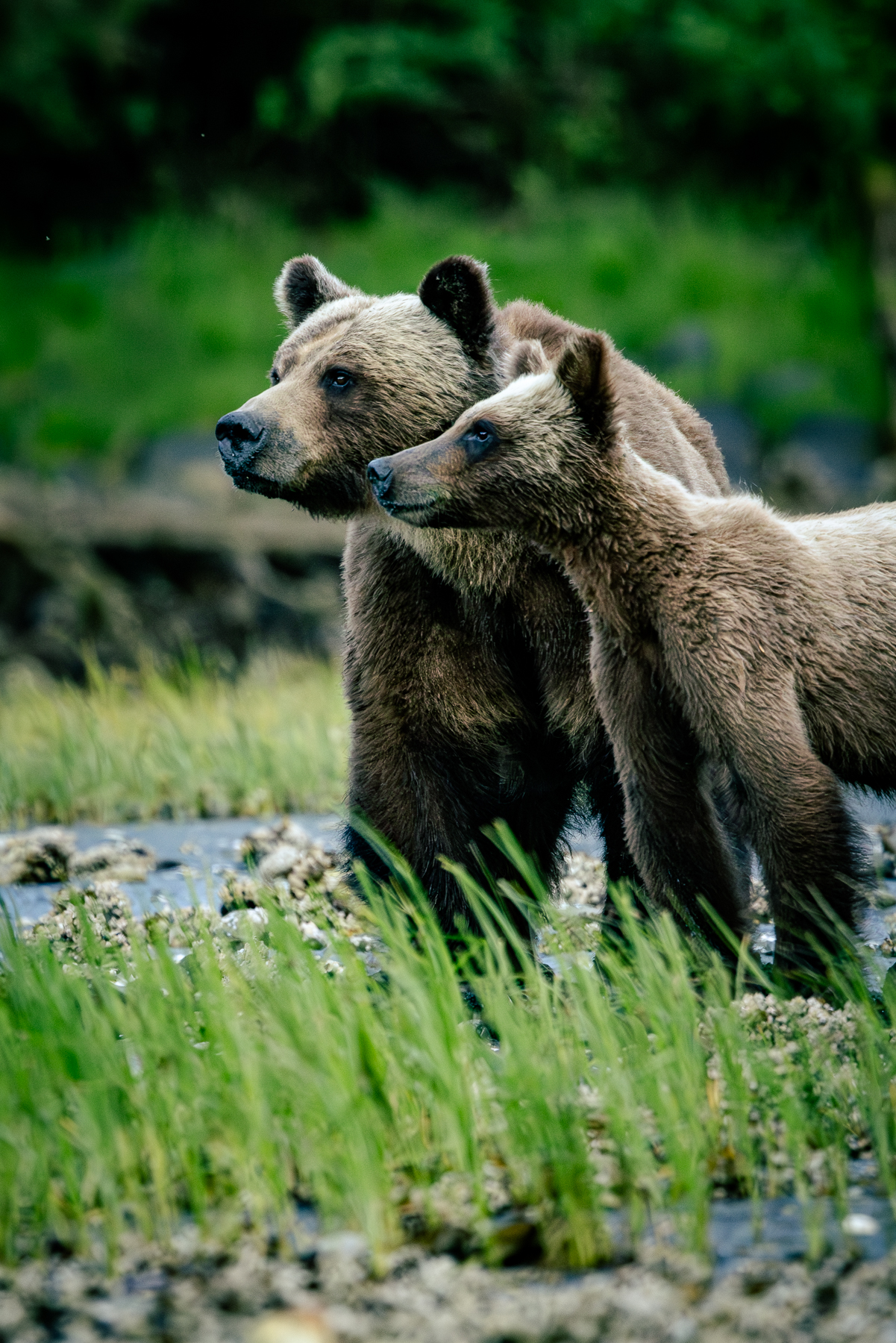
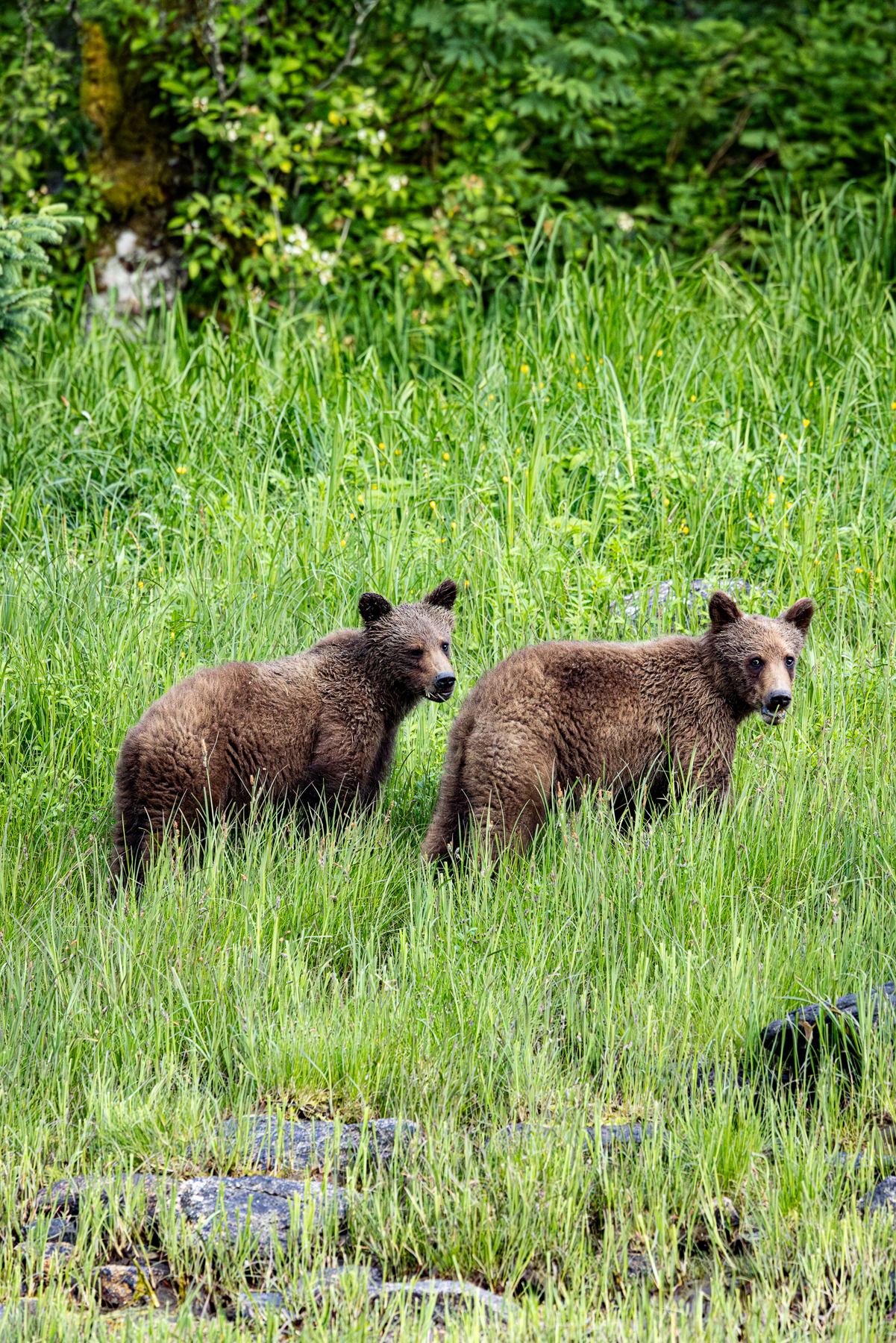
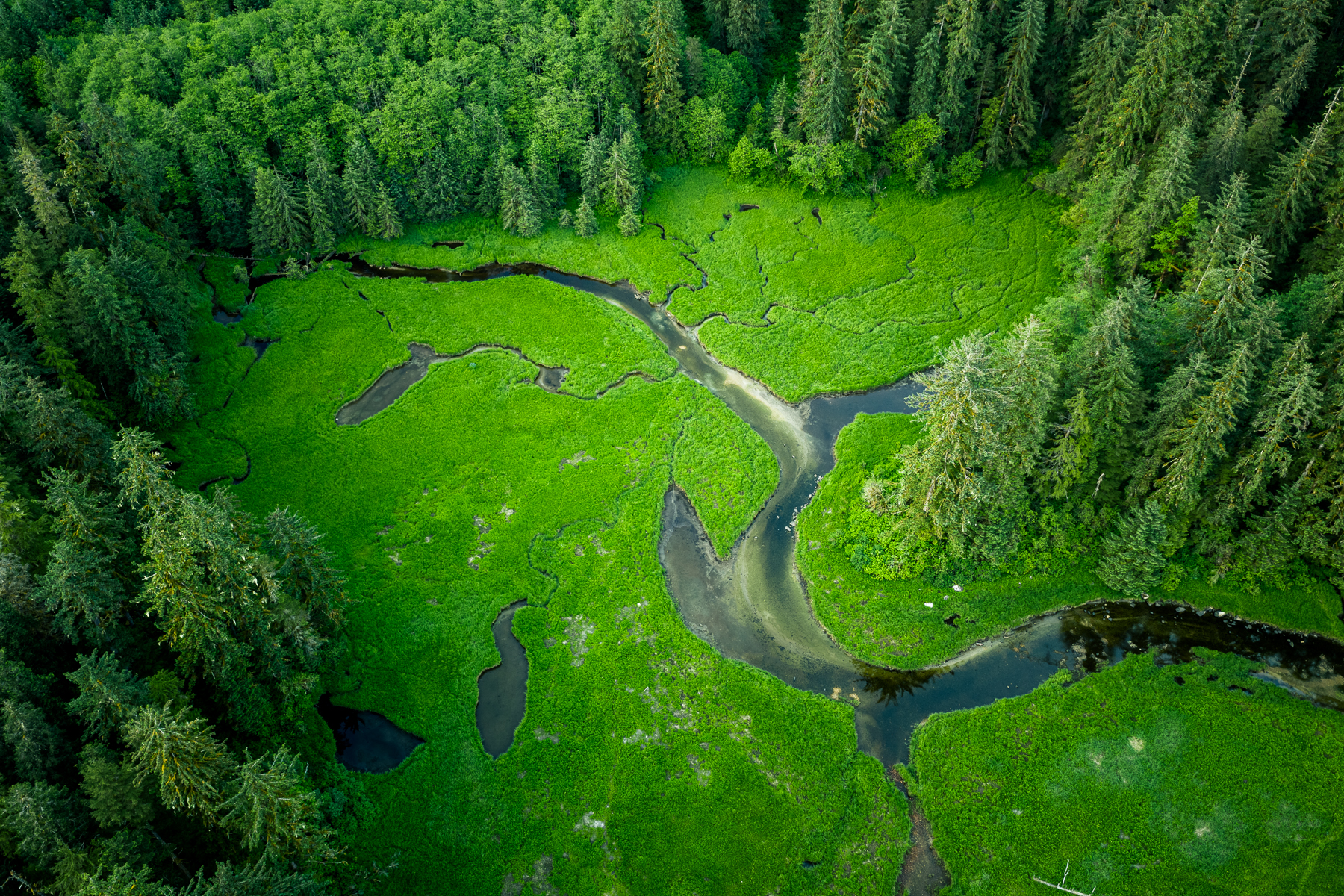
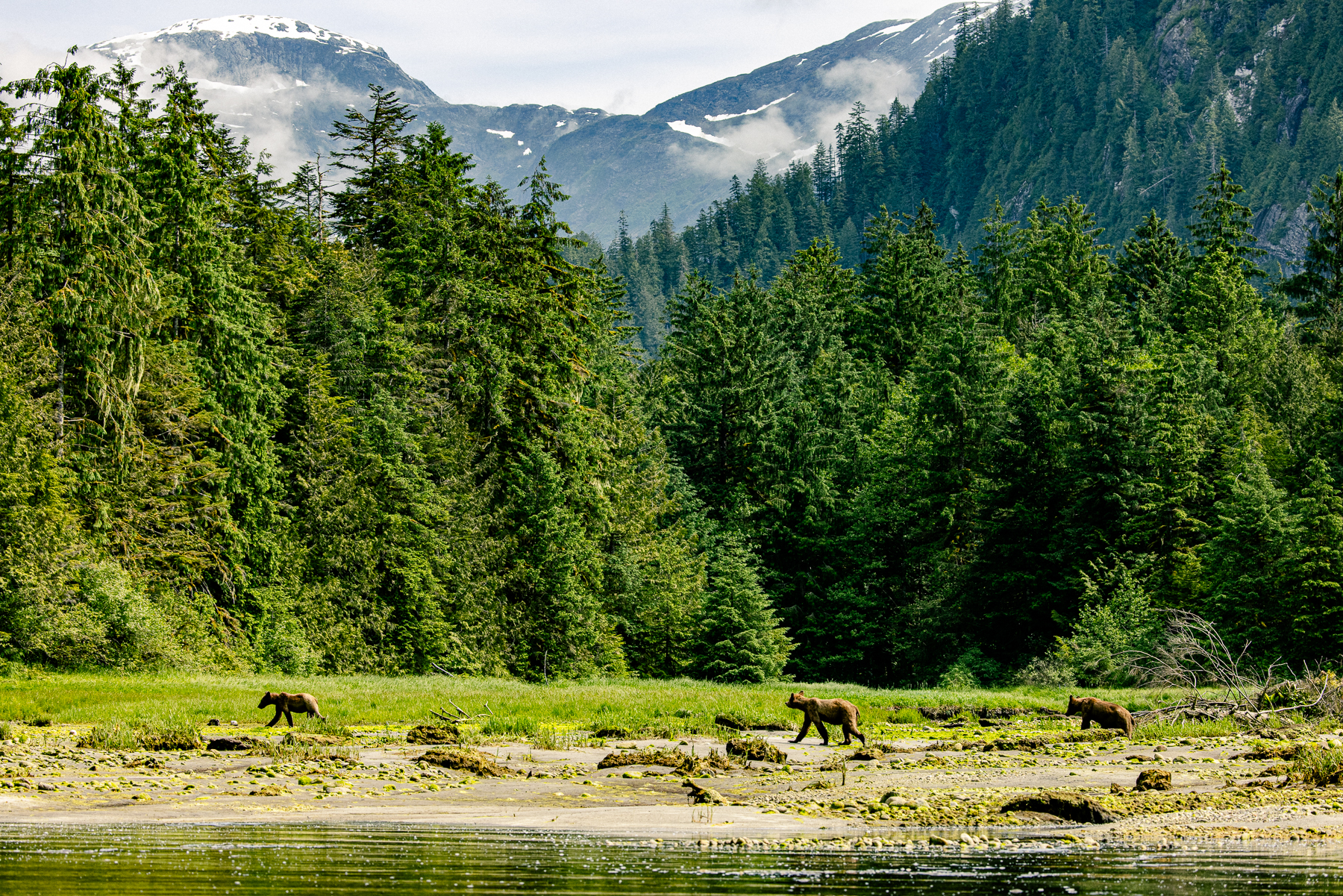
Expeditions into the Great Bear Rainforest are often focused around visiting the deep, remote, and difficult-to-access inlets and estuaries. These ecologically significant zones are not only remarkably beautiful, but teeming with life. Grizzly bears, whose numbers have recovered since the BC Government ended trophy hunting in 2017, are the main attraction.
Coming out of hibernation during spring, these skinny-looking bears enter the estuaries to feast limitlessly on a diet of sedges and starchy roots above the tide line, as well as a variety of intertidal crabs and molluscs. In mid-to-late summer they will then head to higher elevations to find huckleberries, blueberries, and more, before returning to the estuaries once again in the autumn when the salmon spawn.
I’ve always been fascinated by the way bears shape the estuaries. They’re the rototillers, clawing through the mud and sedges as they dig for food, turning over the soil and creating space for new life. At the same time, they’re the fertilizers, dragging salmon into the grass, leaving behind carcasses, scat, and nutrients that feed the plants and insects, even the trees at the water’s edge. In this way, bears are both working the ground and enriching it, reminding us that these estuaries are held together by a constant exchange of energy between ocean, river, forest, and the animals that move between them.
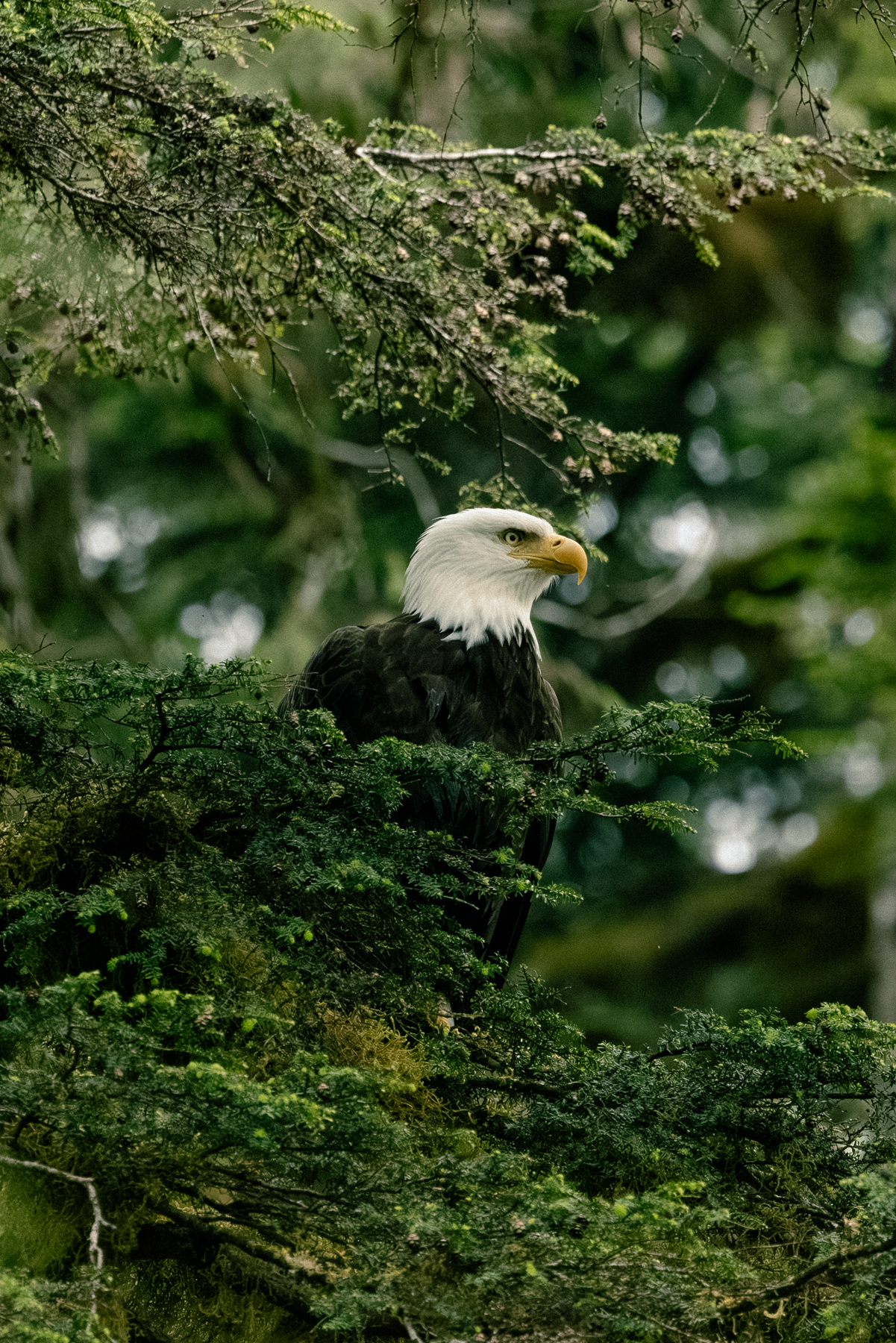
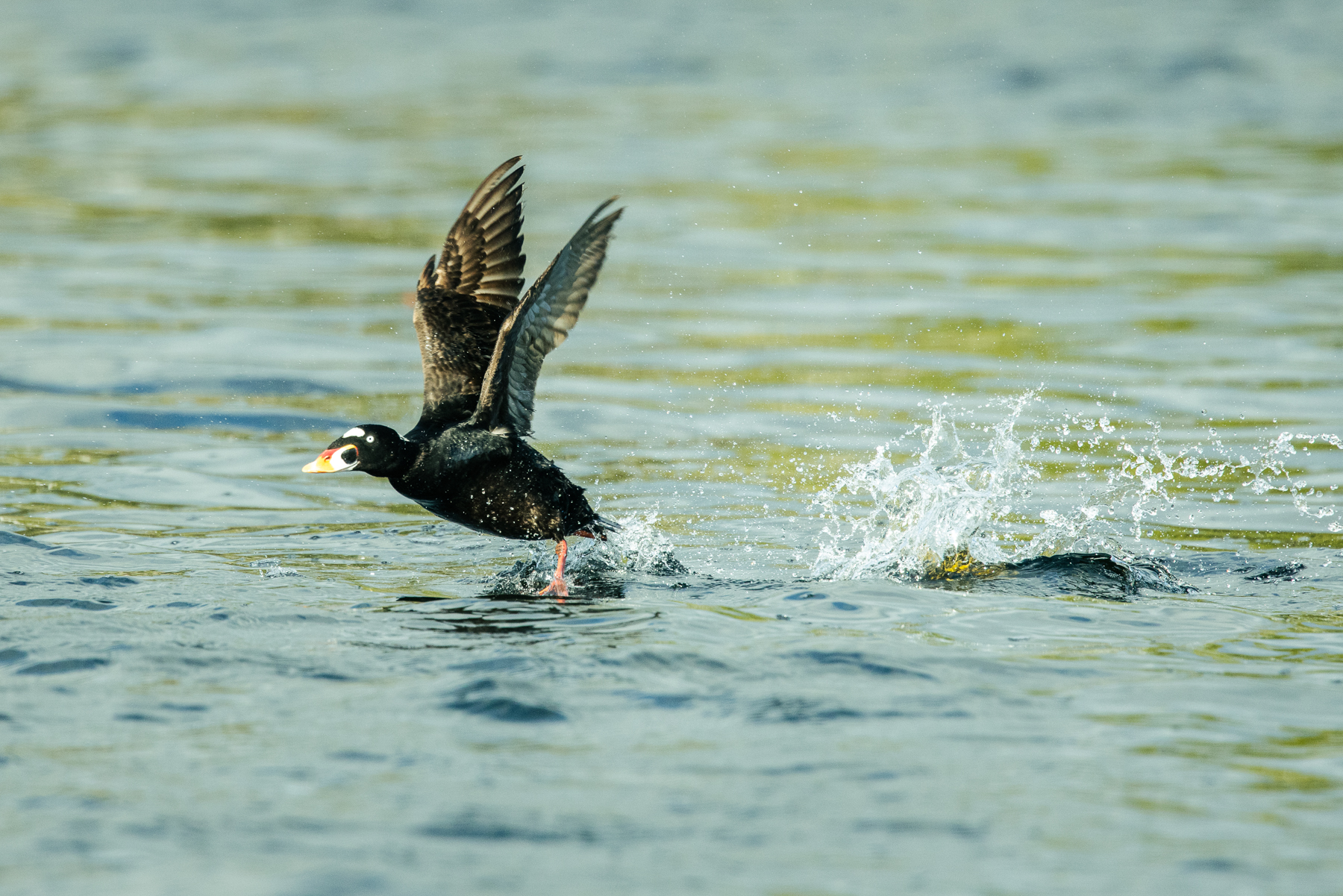
Alongside the bears, these estuaries support a wide range of bird life. Kingfishers, eagles, and ospreys are regular fixtures, each tied to the flow of salmon. Murrelets nest deep in the old-growth, then return here to feed. On the water, loons, guillemots, harlequin ducks, scoters, and mergansers take advantage of the shelter and food the estuaries provide.
It’s not just a backdrop—it’s a living system where birds, fish, and mammals all overlap.
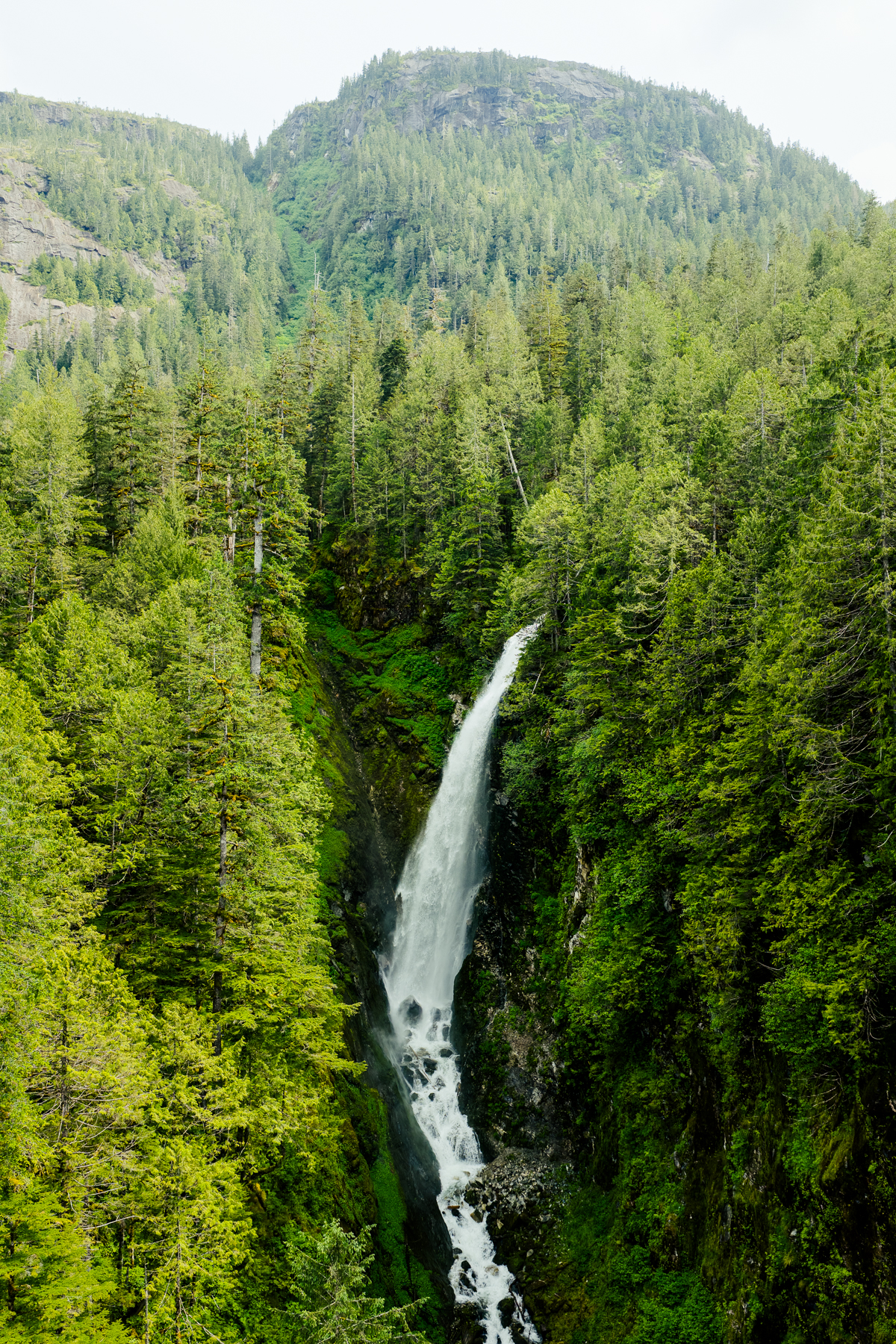
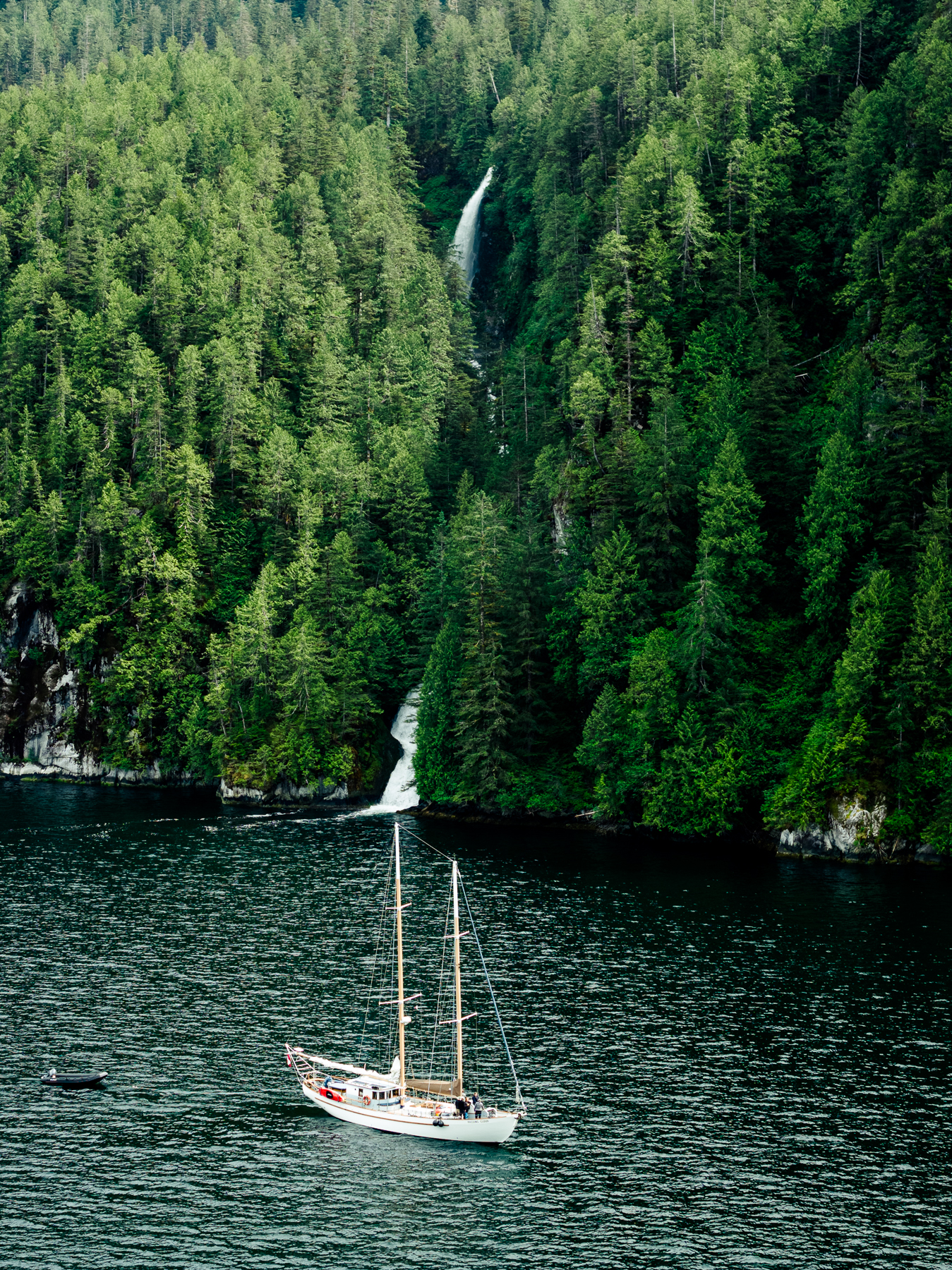
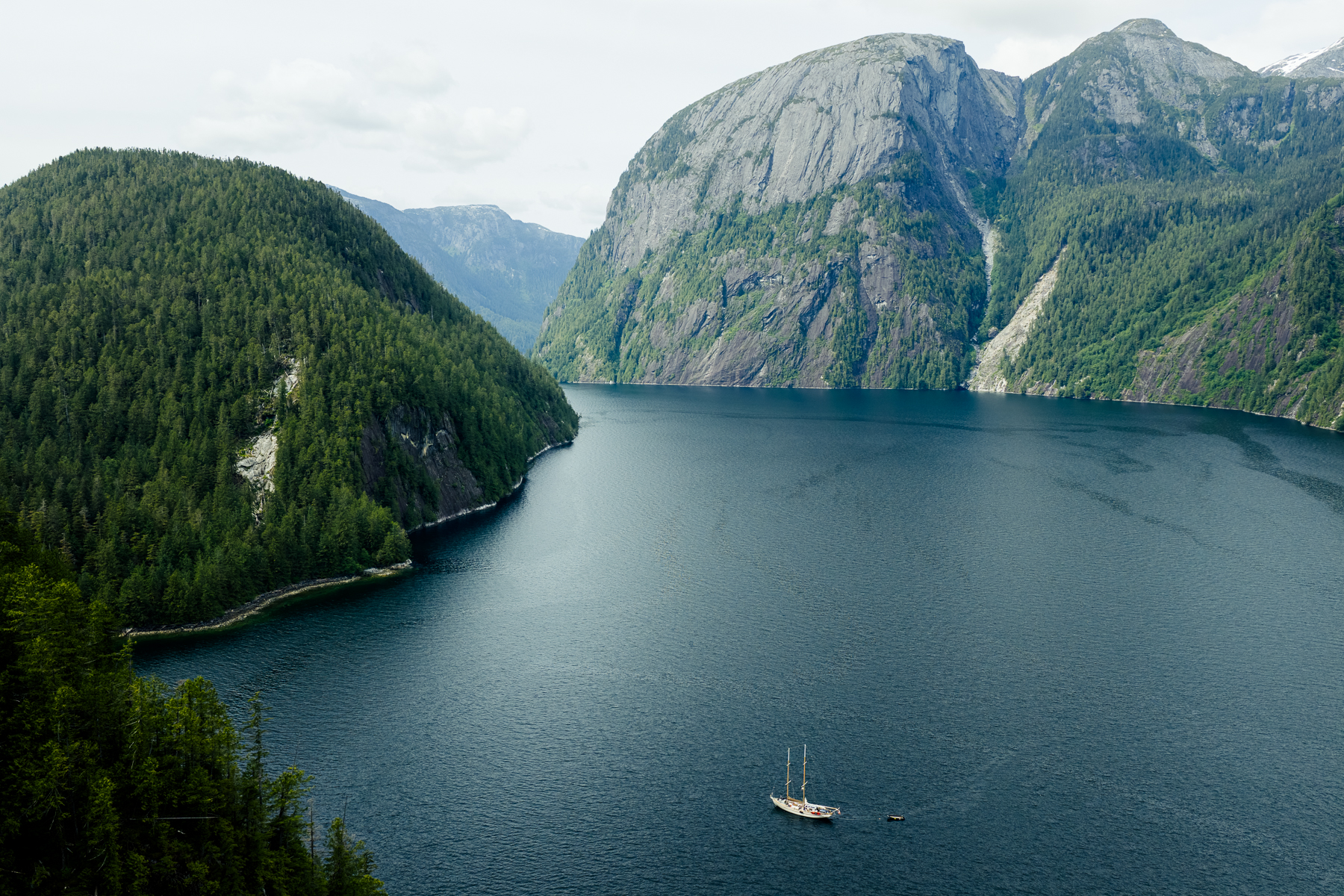
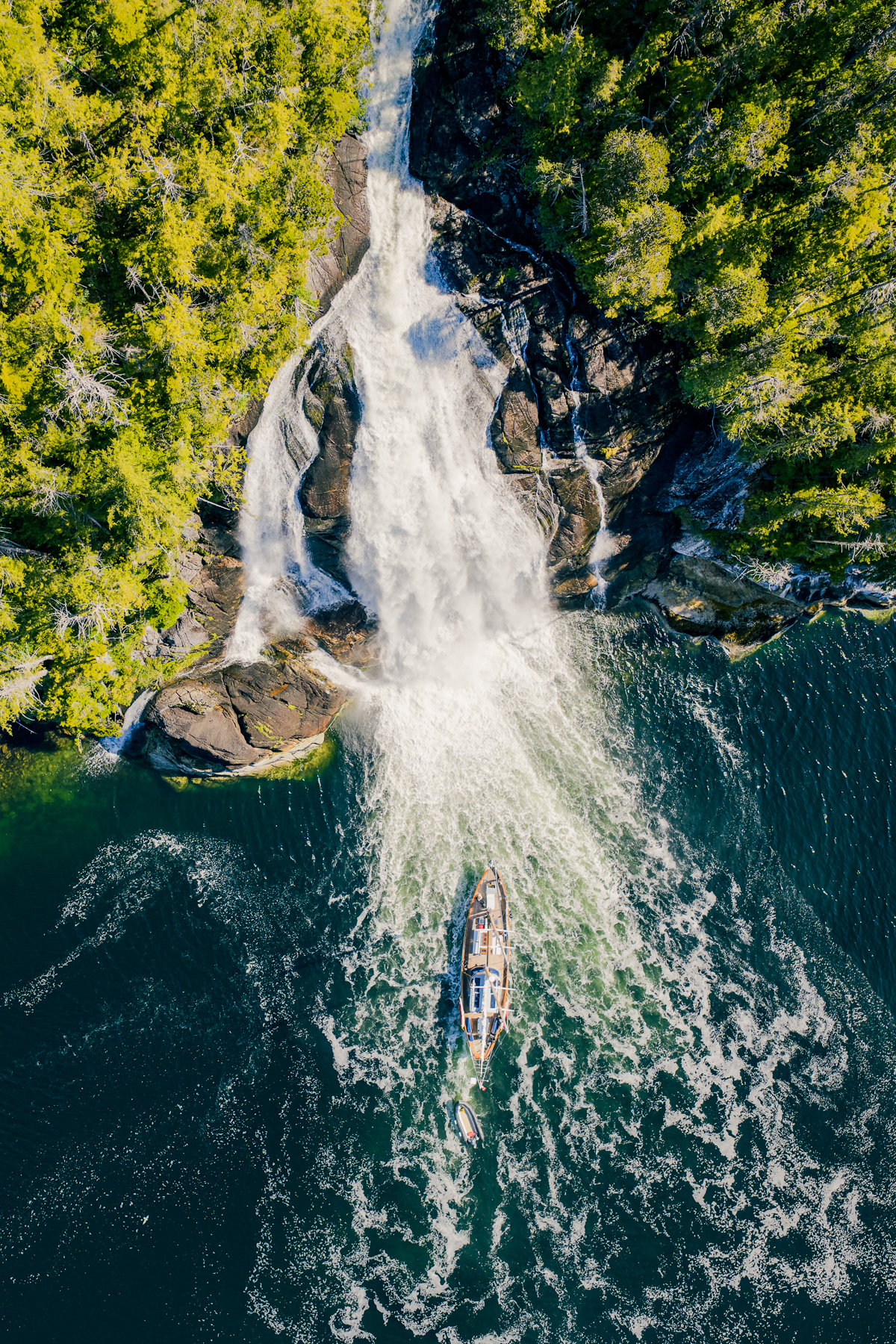
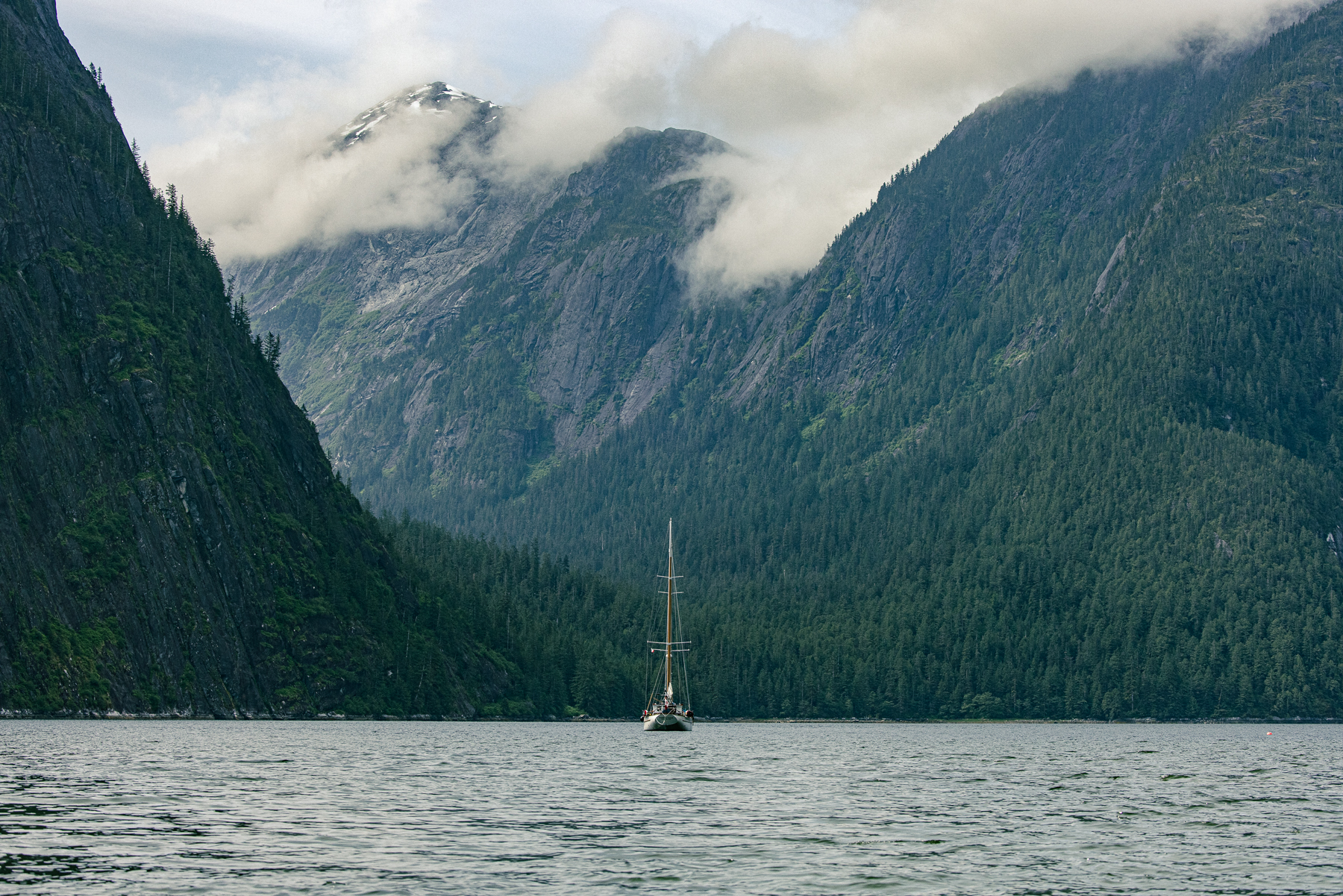
The fjords of the Great Bear and the scenery we explored on this trip was nothing short of overwhelming. These glacier-carved geological masterpieces have sheer granite walls that rise straight out of the water for thousands of feet, their faces streaked with waterfalls that seem to fall from the clouds.
At their base, old-growth rainforest clings to the rock, a reminder of how life takes hold even in the most dramatic terrain. The scale is hard to put into words—it’s a place that makes you feel both small and deeply connected, surrounded by stone, water, and forest that have been shaped over millennia.
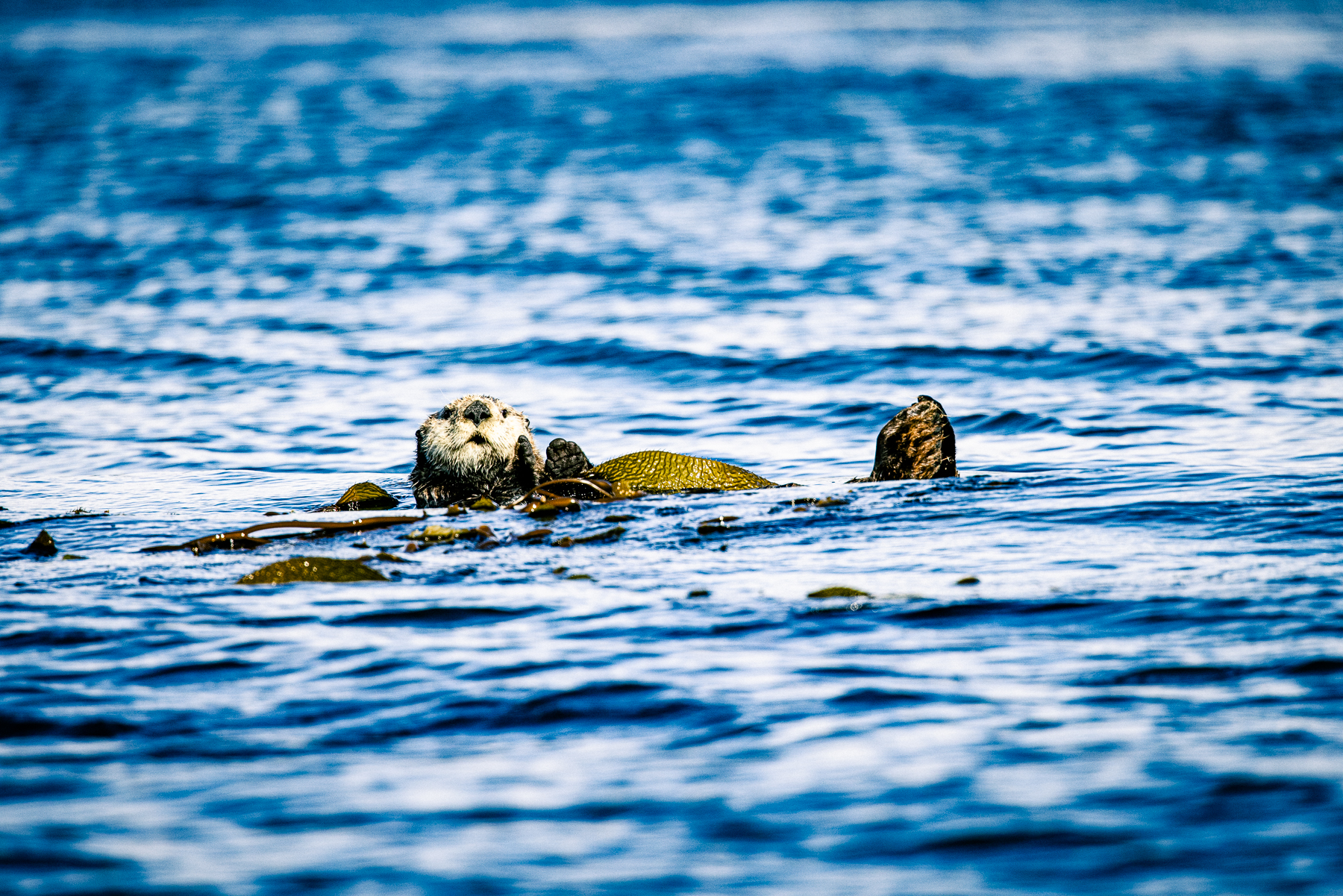
Russ’s PhD research focused on the remarkable story of sea otters and their transformative role in regenerating kelp forest ecosystems along the British Columbia coast. After being hunted to near extinction during from the late 1700s to early 1900s, sea otters were reintroduced to the region in the late 1960s and early 1970s through translocation efforts from Alaska. Since then, their recovery has become one of the most compelling examples of ecological restoration in North America.
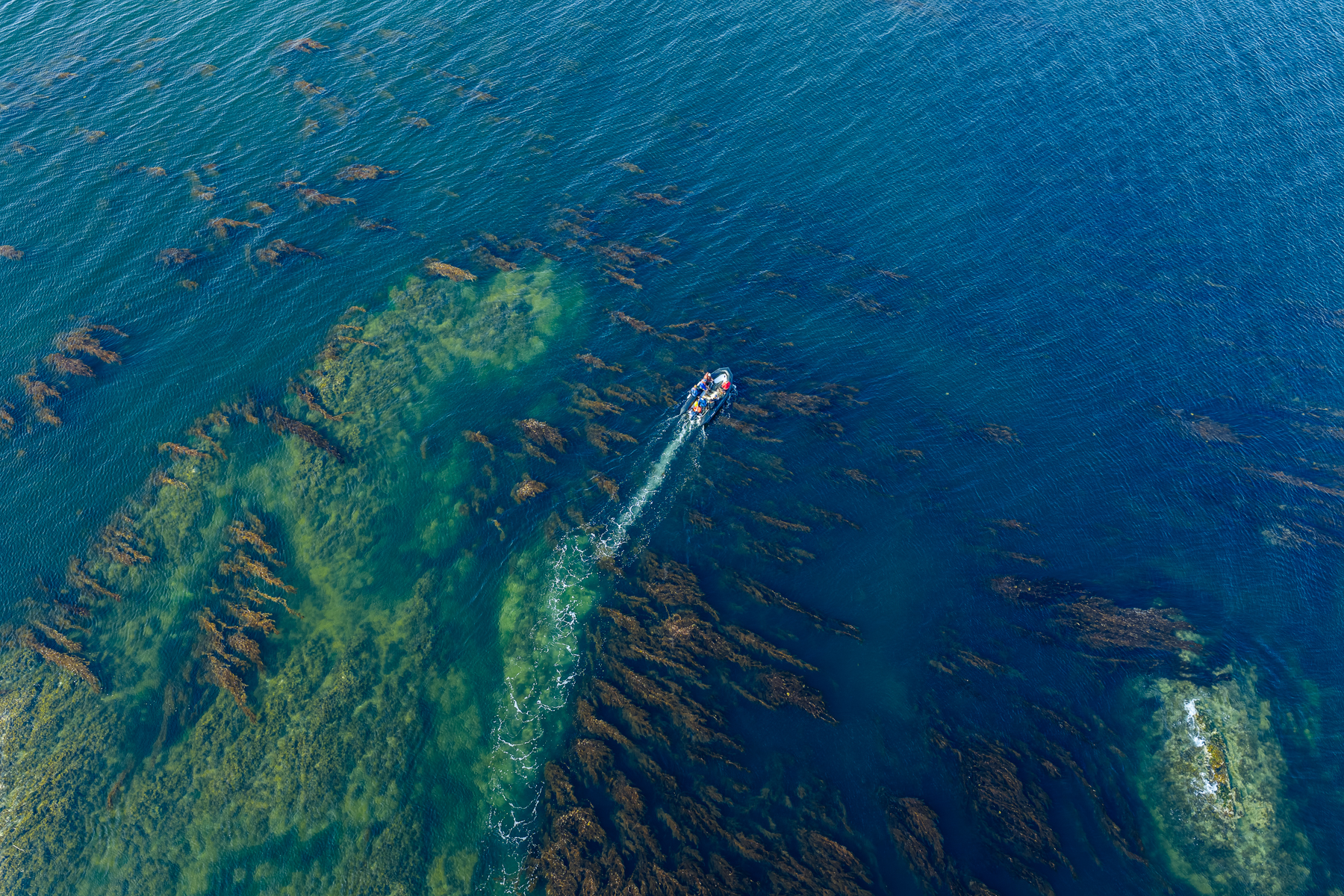
As a keystone species, sea otters exert a powerful influence on nearshore environments by preying on sea urchins and other invertebrates that, if left unchecked, can devastate kelp forests. With the return of sea otters, kelp beds have rebounded, providing habitat and food for a multitude of marine species, while also helping to sequester carbon and buffer coastlines.
Drawing on his years of study, Russ is always eager to share insights into sea otter behavior—their intricate social structures, foraging techniques, and reliance on dense fur for warmth—as well as the broader story of their rehabilitation and the ongoing conservation challenges they face. His passion helps guests appreciate not only the charisma of these animals, but also their critical role in maintaining the health and resilience of coastal ecosystems.
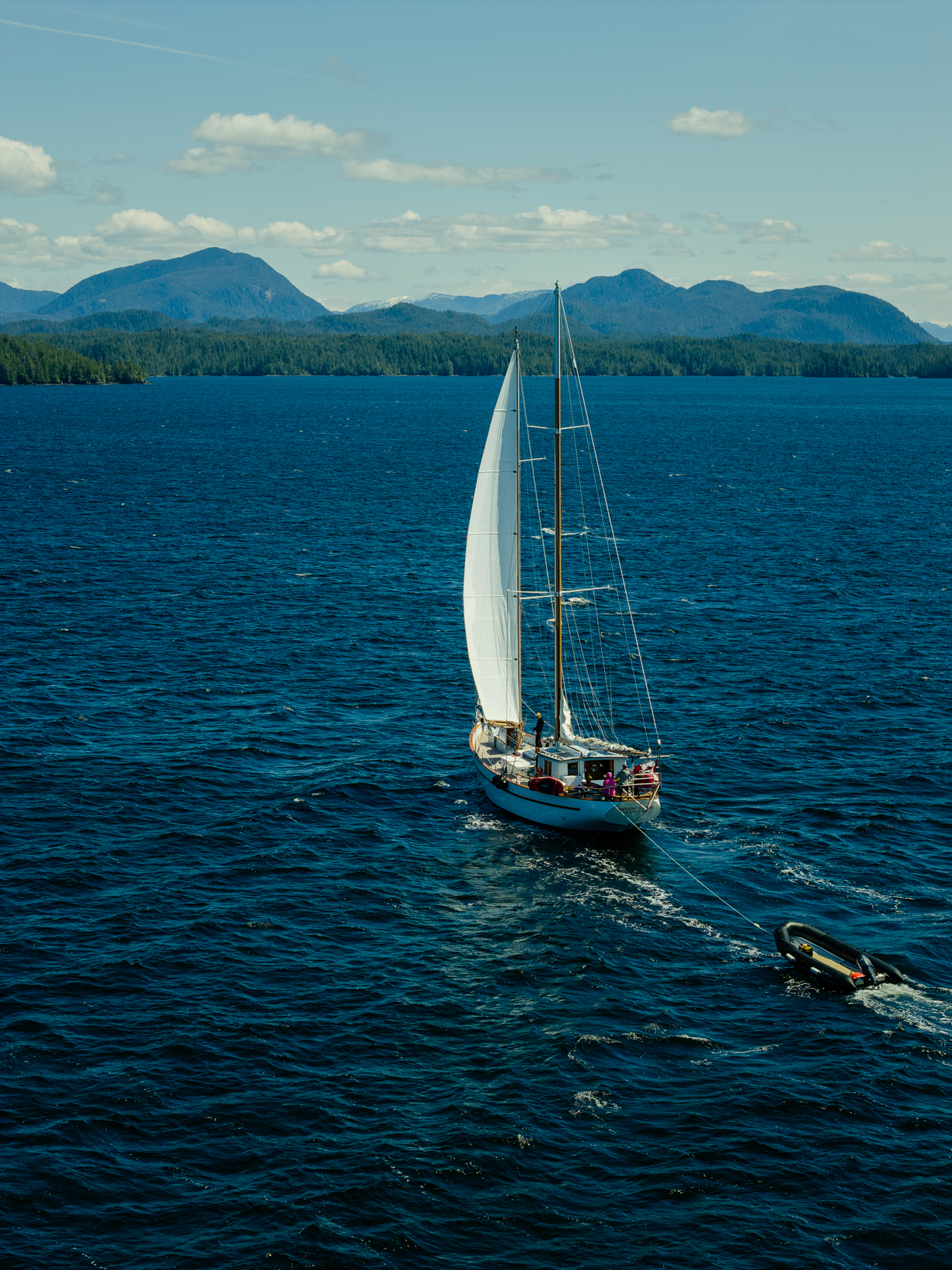
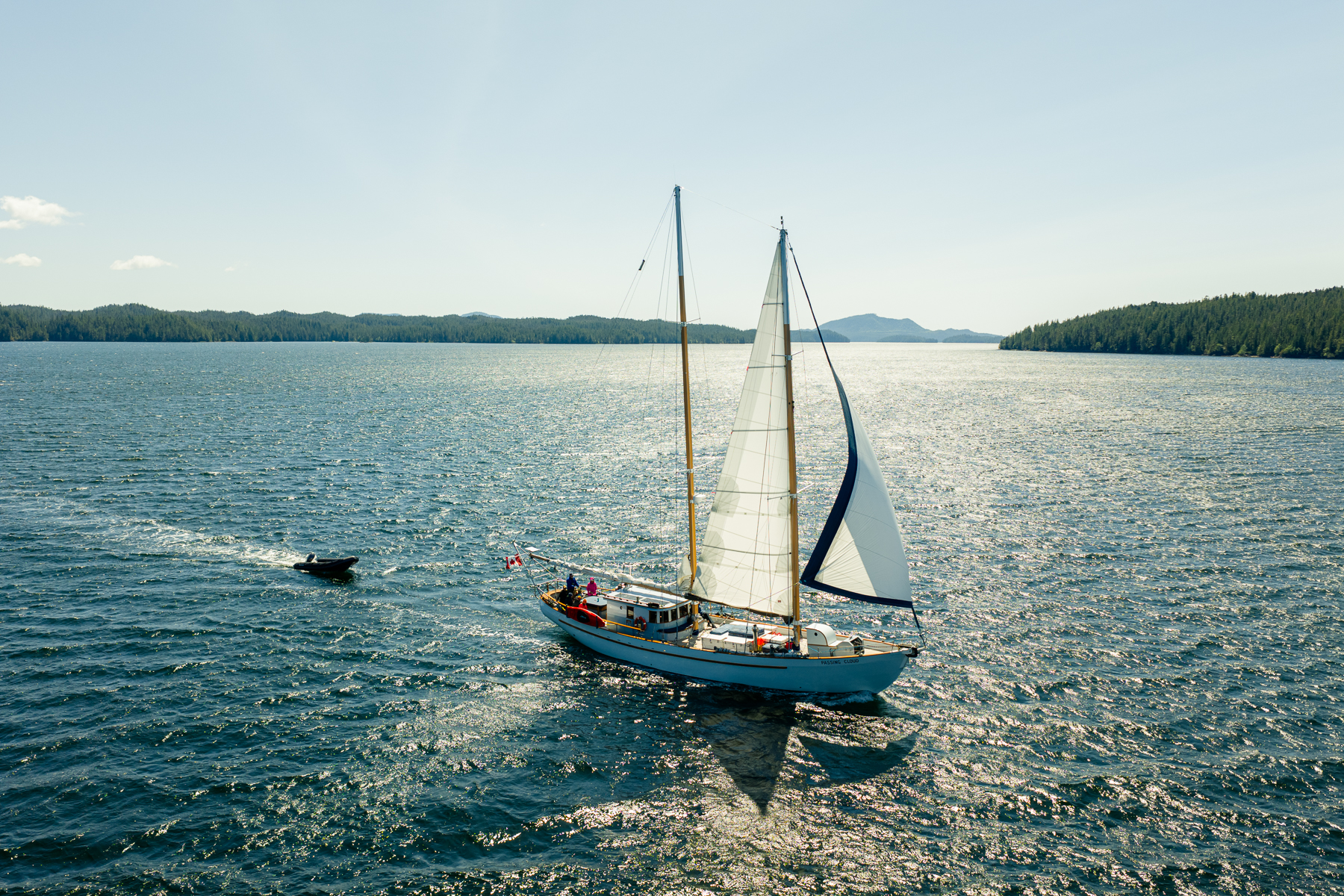
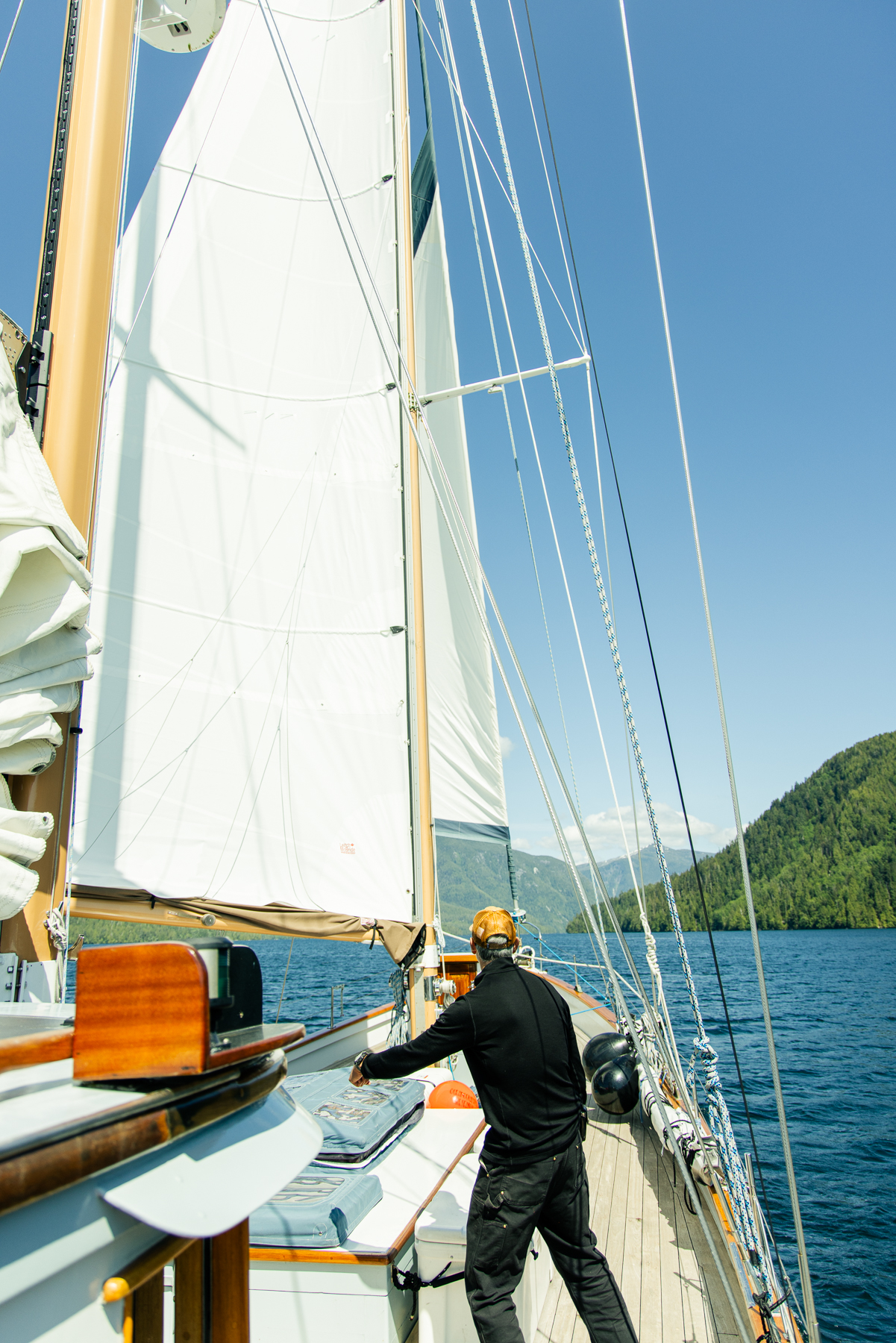
During the second to last day of the trip we were met with windy conditions heading southeast back toward Bella Bella. Russ saw this as an opportunity to put Passing Cloud and the crew through its paces, so we prepared to sail.
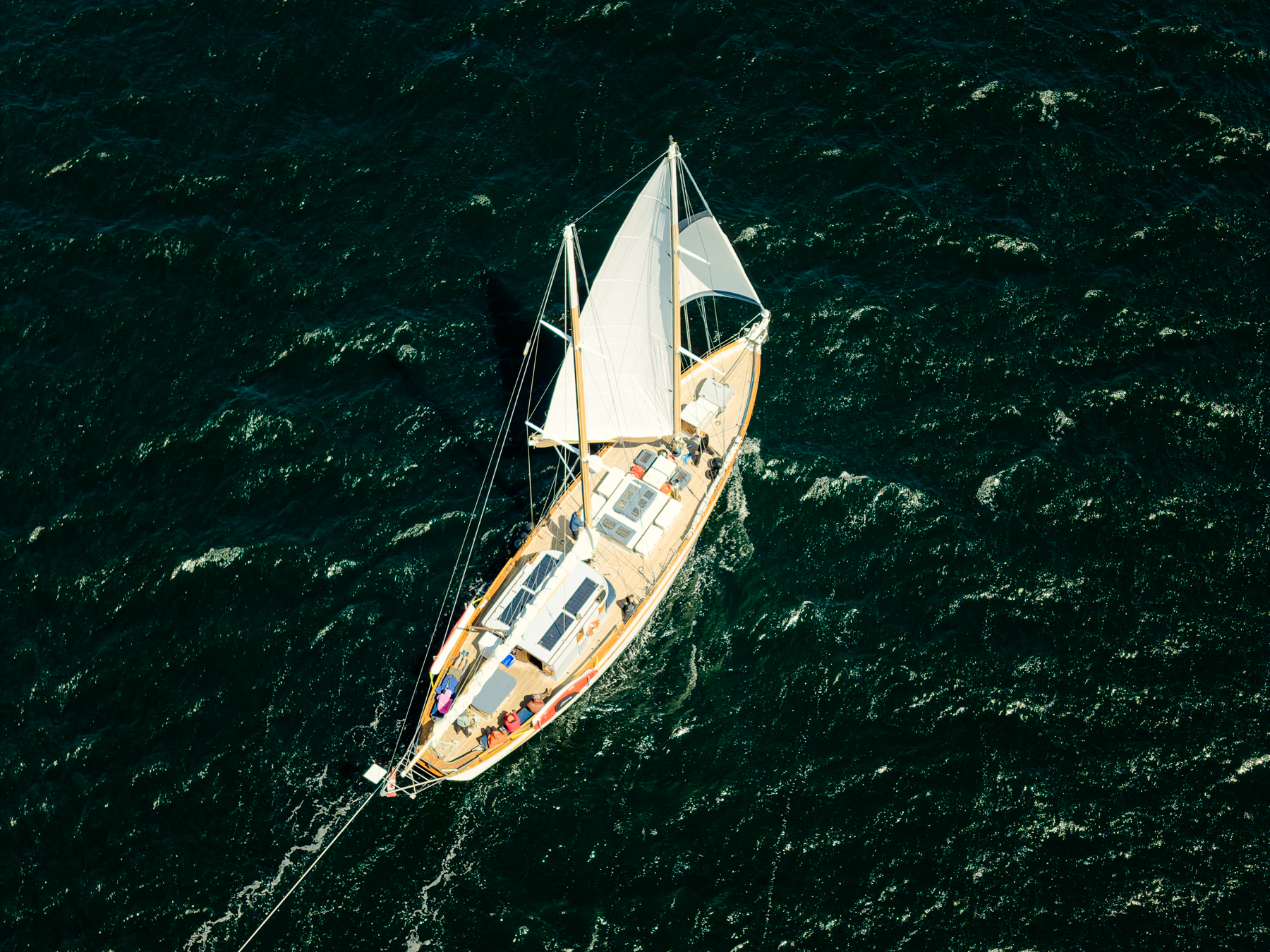
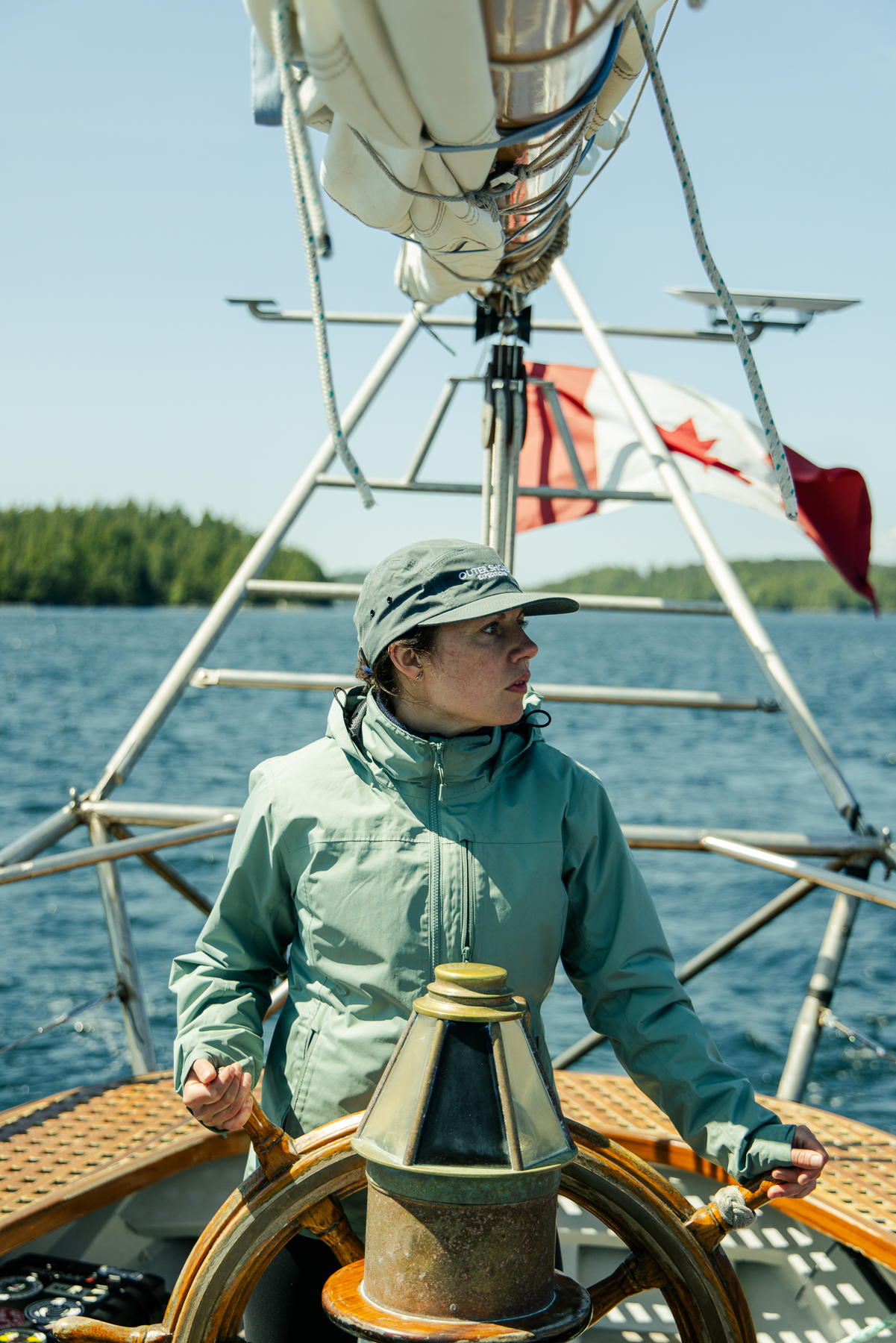
On a boat as big as the Cloud, it takes two or three people to sail comfortably, but once you’re up and tacking, the classic schooner is quiet and fast. Designed in the spirit of the famous Bluenose, the boat was built in the 1970s by her original owner to race and sail around the world.
As the sails filled and the engine went silent, the boat came alive in a different way. The Cloud leaned gently into the wind, cutting through the chop, and the crew settled into a rhythm of trimming, steering, and watching the coastline slip by. After days of exploring remote estuaries and forests, ending the trip under sail felt like a gift—an unhurried moment to take in the immensity of the landscape, the power of the vessel, and the shared experience that had unfolded before us. It was fitting and beautiful close to the journey.
In the face of a rapidly changing climate, places like the Great Bear Rainforest remind us what remains possible when ecosystems are given the chance to endure. Here, ocean, forest, and river remain inseparably bound—alive with bears, salmon, and the people who have cared for this coast since time immemorial. To travel through these fjords is to experience a rare kind of harmony—between science and story, conservation and exploration. The Great Bear is both timeless and fragile, and spending time here is a powerful reminder of our collective responsibility to ensure that its rhythms—and the relationships that sustain them—continue far into the future.

* My deepest thanks to Russ Markel and the Outer Shores crew for another opportunity to witness and document this remarkable place.